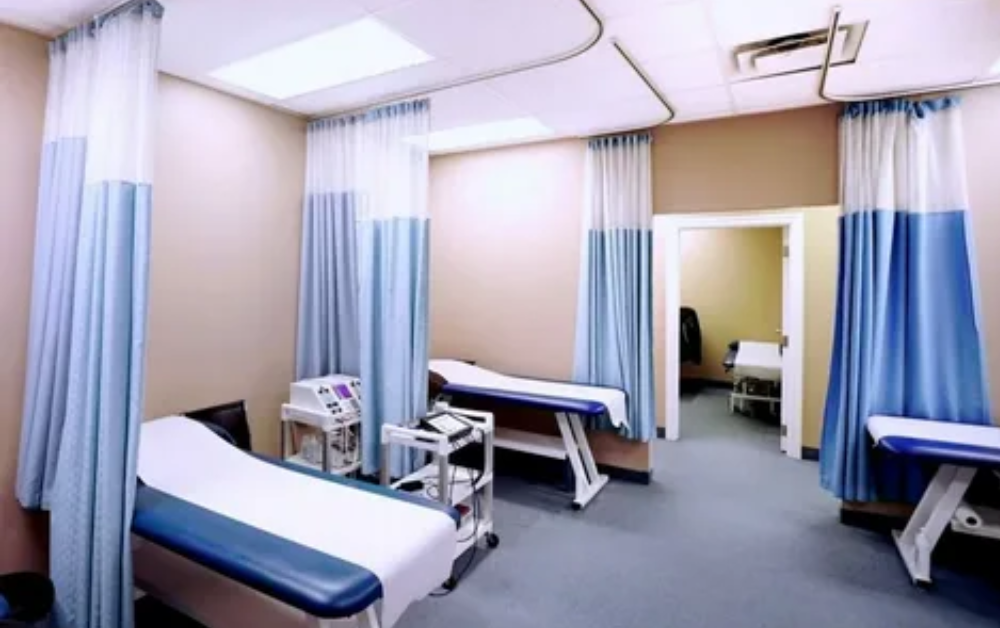
Hospital rooms aren’t just treatment spaces. They are temporary living environments where patients rest, recover, and interact with doctors and family members. A calm and private room can help patients feel safe, less stressed, and more confident in their care. Among the many elements that shape a hospital’s environment, Hospital Medical curtains might seem simple, but they play a surprisingly powerful role in comfort, hygiene, and overall patient experience.
Today, hospitals are more focused on patient-centered care. This means making medical spaces cleaner, warmer, and more respectful. Modern curtains are designed with those goals in mind, offering more than just separation between beds. They support privacy, infection control, and even emotional well-being.
Privacy That Respects Every Patient
Privacy is one of the biggest emotional needs in healthcare. When a patient is receiving treatment, discussing health details, or simply resting, they want to feel protected from unnecessary exposure. Medical curtains allow each patient to have a personal space, even inside a shared ward. Something as simple as drawing a curtain can instantly reduce discomfort and embarrassment.

Doctors and nurses also benefit. With a separate space for each treatment area, medical staff can check on patients, communicate, or conduct quick procedures without exposing them to others. It creates a respectful environment that acknowledges the dignity of every person in the room. In long-term wards, where patients spend days or weeks recovering, this privacy plays a major role in emotional comfort.
Better Hygiene for Safer Spaces
Cleanliness has always been at the heart of healthcare, but modern standards are higher than ever. Hospitals can’t afford to risk infections spreading from one patient to another. Curtains act as an important physical barrier, reducing direct interaction and limiting the movement of airborne germs.
Many newer curtain fabrics are antimicrobial, meaning they are designed to prevent bacteria from surviving on the surface. This is especially useful in high-risk departments where infection control is critical. Some hospitals even use disposable curtains that can be changed regularly, reducing contamination and keeping hygiene standards strong throughout busy hours.

When cleaning is required, modern curtains are designed for easy removal. Staff can take them down, wash them, and reinstall them without interrupting the daily routine. This makes infection control faster, simpler, and more reliable.
Comfort Through Colors and Design
The image of old hospitals often includes white walls and dull blue curtains. But healthcare design has changed dramatically. Today, hospitals understand that colors and patterns can impact mood, especially for patients dealing with stress or pain.
Soft tones and gentle patterns create a welcoming atmosphere. A warm curtain shade or a calming design can reduce anxiety, especially for children or elderly patients who may feel fearful in clinical settings. Families who visit also notice this difference — a cleaner, brighter room gives them confidence in the quality of care.
In pediatric units, colorful curtains can lift the mood and distract young patients from fear or discomfort. In recovery wards, subtle patterns help create a peaceful environment. Small design choices can change how a room feels, turning a medical space into something more human and less intimidating.
Easy Movement for Busy Hospital Staff
Hospitals are high-activity environments. Nurses, doctors, and support staff move from one patient to another throughout the day. Medical curtains need to slide smoothly, open quickly, and allow fast access during emergencies. Modern track systems make it easy to separate patient spaces without any noise or effort.
Maintenance teams also appreciate curtains that are lightweight and easy to replace. Instead of heavy cleaning tools or specialized systems, most modern curtains can be removed by hand and reinstalled within minutes. This reduces downtime in busy wards and ensures patients stay comfortable throughout the process.
Supporting Organization and Space Management
Hospitals deal with limited space, especially in crowded cities or emergency departments. Curtains help organize patient areas without the need for permanent walls or large dividers. Within seconds, a single room can be turned into multiple private zones.
They are also used to create makeshift treatment spaces during busy seasons or emergencies, such as flu outbreaks or high-traffic medical events. Because they require no construction and take very little space, they are one of the most flexible tools in healthcare room design.
Why These Small Details Matter
Every hospital aims to deliver good medical care, but patient experience depends on more than treatment alone. People often remember how they were treated, how comfortable they felt, and whether the environment helped them relax. When patients feel safe and respected, healing becomes easier.
Medical curtains may not be the first thing people notice, but they quietly support dignity, safety, and emotional well-being. By creating cleaner spaces, reducing noise, and adding privacy, they influence both the mind and body. For families, it provides peace of mind. For staff, it creates a better workflow. For hospitals, it strengthens trust and professionalism.
Also Read :- The Untold Benefits of Partnering with Rubber Gum Suppliers
Conclusion
Medical curtains are proof that small elements can make a big impact in healthcare settings. They support privacy, help maintain hygiene, and create a more welcoming environment for patients and their families. In a place where comfort and cleanliness matter every minute, choosing the right curtains makes a difference in both care and experience.
Hospitals looking to improve their wards and treatment areas can benefit from modern, durable, and hygienic curtain solutions. Companies like Taasim LLC offer practical and reliable options that suit different departments and medical needs, helping hospitals create spaces that feel safer, cleaner, and more humane.