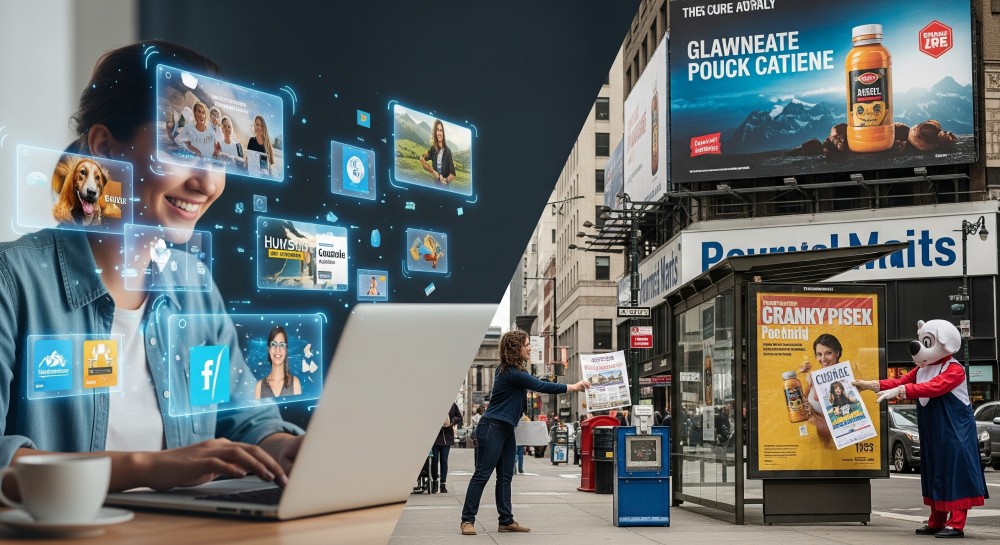
Marketing has always been about earning attention. The channels may look different now, but the aim is the same – connect with the right audience in a way that moves them. A digital advertising agency approaches that goal differently from a magazine or radio station. Choosing between digital and traditional options is less about nostalgia and more about results. That is why a clear and honest comparison matters.
Traditional Advertising: A Tried-and-Trusted Method
Television commercials and radio jingles have been in existence for decades. They helped shape public memory. People still recall catchy slogans from their childhood because of them.
Their reach is unmatched in some ways. A billboard on a busy road can reach tens of thousands in a day. A prime-time TV spot lands in living rooms across the country at once. These formats can give a brand instant credibility.

But there is a cost. Producing a polished TV ad means hiring crews, actors, and editors. Securing placement during high-traffic hours is expensive. Even print advertising in a leading publication demands top-tier design and premium placement to stand out.
Feedback comes slowly. A company may wait weeks before sales figures show whether an ad worked. There is no changing the ad without starting from scratch once it is live.
Digital Advertising – Measurable and Flexible
Digital advertising covers search ads, social media campaigns, and video pre-rolls. A digital advertising agency uses these to reach target audiences. Ads can be shown to people based on age as well as interests.
The real advantage is measurability. Every click and conversion can be tracked in real time. Campaigns can be changed mid-run. You can swap out headlines, update visuals, and shift budgets.
Budgets stretch further here. Smaller brands can test ideas without committing huge sums up front. Spend can scale with results.

However, digital advertising has challenges too. Privacy rules limit the quantity of personal data that can be used for targeting. Moreover, dependence on one platform can cause trouble if that platform changes its rules.
Cost Efficiency and ROI Comparison
Traditional advertising is a big investment. A national TV campaign might run into six figures before the first broadcast. Even smaller print campaigns need skilled creatives and high-quality production.
A digital advertising agency can start smaller. Campaigns can run on a test budget and scale only if they work. An ad can be paused instantly if it underperforms. Money can be reallocated to the channels that deliver results.
ROI tracking is clearer online. Analytics tools can show the exact number of sales each ad generates. Traditional media has to rely on estimated audience size as well as post-campaign surveys.
Audience Targeting and Personalisation
Traditional targeting is broad. A billboard reaches anyone who passes it. A radio ad plays for anyone tuned in. That works for products with mass appeal, but much of the spend covers people who will never buy.
Digital targeting is sharper. A digital advertising agency can direct ads only to specific postcodes, age ranges, or people with certain online behaviours. Messages can be adjusted to suit different audience segments.
The timing can be perfect. Someone searching for running shoes can see an ad from a local sports shop that same afternoon. That level of precision is challenging for traditional formats to match.
Speed and Adaptability
Traditional advertising is slow to launch. Booking a TV slot might take weeks. Creating a print ad can be the same. Any mistakes in copy or design are costly to fix.
Digital ads move quickly. Campaigns can be up within hours. A digital advertising agency can test two headlines in one day, keep the better one, and drop the weaker version. Seasonal offers can go live in the morning and be replaced by evening.
This speed means brands can respond to changes in demand without wasting budget.
Measuring Success and Learning From Data
Traditional measurement tools include circulation numbers as well as listener surveys. They give a general idea of reach. However, they do not give an exact link between the ad and a sale.
Digital tracking is direct. Clicks and engagement rates are visible as they happen. A digital advertising agency can study the data to refine targeting. They can improve performance over time.
This constant feedback loop builds stronger campaigns. Success patterns can be repeated. Weak ideas can be dropped before they drain funds.
Creative Possibilities
Traditional advertising offers impact in physical form. A glossy magazine ad can stop a reader mid-page. A memorable TV spot can become part of public conversation. There is a sensory presence that print and broadcast carry.
Digital advertising allows interaction. Ads can move, play sound, or invite the viewer to click. A digital advertising agency can design experiences that adapt to the viewer’s device and interests. The ad can change depending on the time of day or recent behaviour.
Each format has its own creative strengths. The choice depends on how you want the audience to experience your message.
Hybrid Strategies: Using Both Together
Many brands now use a mix of traditional and digital advertising. A large-scale TV launch builds awareness, while targeted online ads push conversions. Outdoor ads can lead people to a website, where remarketing picks up the conversation.
A digital advertising agency can make these channels work together. A music festival might use posters in city centres to catch commuters. It can then serve Instagram ads to those same people later in the week.
This approach combines reach with precision. It lets brands cover the big picture while fine-tuning their message to the right people.
The Future Direction
Advertising will keep changing with technology. Digital formats will add new ways to connect. Traditional formats will adapt with better tracking and more creative use.
A digital advertising agency is well-placed to manage both sides. They can design campaigns that draw from the strengths of each with expertise across formats. The goal stays the same – connect with people and make them act.
Conclusion
Note that both traditional and digital advertising can deliver results. The right choice depends on goals, budget, and audience. A digital advertising agency can plan and run campaigns that make the most of each format. The smartest move is to match the method to the message.