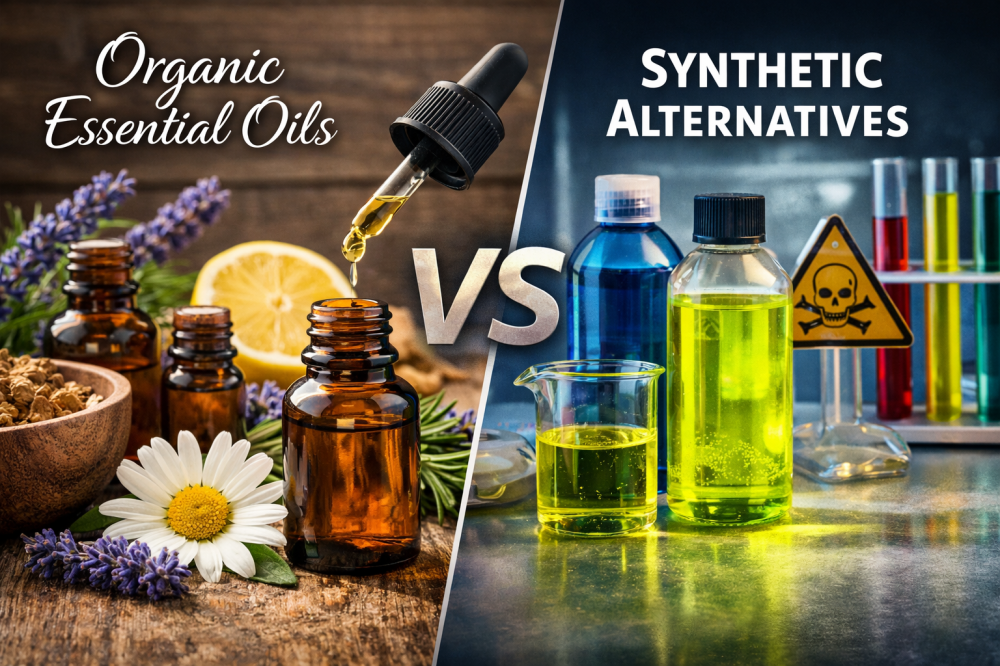
In today’s wellness-driven world, essential oils have become a cornerstone of natural living. However, not all oils are created equal. The growing demand for purity has brought organic essential oils into the spotlight, offering a cleaner, more effective alternative to synthetic counterparts. Understanding the difference between these two can help you make informed choices for your health, skincare, and overall well-being.
What Makes Essential Oils “Organic”?
Organic oils are derived from plants grown without synthetic pesticides, herbicides, or chemical fertilizers. These plants are cultivated in nutrient-rich soil and processed using careful extraction methods to preserve their natural compounds.
This matters because the quality of the plant directly impacts the oil’s effectiveness. Oils extracted through methods like steam distillation or cold pressing retain their therapeutic and aromatic properties when handled correctly.

1. Purity You Can Trust
One of the biggest advantages of organic essential oils is their purity. Synthetic alternatives are often diluted with artificial fragrances or chemical fillers, which can reduce their effectiveness and even cause irritation.
Organic oils, on the other hand, are free from harmful residues and additives. This ensures that what you’re using is as close to nature as possible. Products sourced from trusted brands like Miracle Botanicals Essential Oils emphasize quality testing and authenticity, helping users avoid adulterated or fake oils.
2. Higher Therapeutic Value
The therapeutic benefits of essential oils depend heavily on their chemical composition. Organic oils maintain a richer profile of active compounds because they are not exposed to harmful agricultural chemicals during growth.
These compounds are responsible for many benefits, including stress relief, improved sleep, and emotional balance. Essential oils interact with the brain’s limbic system, influencing mood and overall wellness.
Synthetic oils may mimic scent, but they lack these complex bioactive properties, making them far less effective for aromatherapy and holistic health.

3. Safer for Skin and Body
When applied topically, essential oils penetrate the skin and enter the bloodstream. This makes purity even more critical.
Organic essential oils are generally safer because they are free from pesticide residues and synthetic contaminants. In contrast, synthetic oils can contain irritants that may trigger allergic reactions or skin sensitivity.
High-quality oils from Miracle Botanicals Essential Oils are carefully sourced and processed to ensure they meet therapeutic-grade standards, making them suitable for both aromatherapy and skincare applications.
4. Better for the Environment
Choosing organic isn’t just good for your body—it’s also better for the planet. Organic farming practices promote soil health, biodiversity, and sustainable agriculture.
Synthetic oil production often involves chemical processing and artificial additives, contributing to environmental pollution. By choosing organic options, you support eco-friendly practices and reduce your environmental footprint.
5. Authentic Aroma and Experience
One of the most noticeable differences between organic and synthetic oils is the scent. Organic oils offer a complex, layered aroma that reflects the true essence of the plant.
Synthetic alternatives often smell overly strong or artificial because they are engineered to mimic fragrance rather than replicate natural chemistry. This difference becomes especially important in aromatherapy, where scent quality directly affects emotional and mental responses.
6. Transparency and Quality Assurance
The essential oil market is largely unregulated, making it easy for low-quality or fake products to enter the market. This is where organic certification and brand transparency become crucial.
Reputable suppliers provide detailed information about sourcing, extraction methods, and quality testing. Collections like those offered by Miracle Botanicals Essential Oils include certified organic options that are tested to ensure high standards and consistency.
7. Long-Term Wellness Benefits
Organic oils support a holistic approach to health. Whether used for relaxation, skincare, or emotional balance, they offer long-term benefits without exposing your body to unnecessary chemicals.
In contrast, synthetic oils may provide short-term fragrance but lack the deeper therapeutic impact needed for sustained wellness.
Conclusion
The choice between organic and synthetic essential oils ultimately comes down to quality, safety, and effectiveness. Organic oils deliver superior purity, stronger therapeutic benefits, and a more authentic experience. They also support sustainable practices and long-term health.
As consumers become more conscious of what they use on their bodies and in their homes, organic essential oils stand out as the better, more responsible choice.
FAQs
1. What are organic essential oils?
Organic essential oils are extracted from plants grown without synthetic chemicals, ensuring a pure and natural product.
2. Are organic essential oils more effective than synthetic ones?
Yes, they contain natural compounds that provide real therapeutic benefits, unlike synthetic oils that mainly replicate scent.
3. Can synthetic essential oils be harmful?
They can contain artificial additives that may cause skin irritation or allergic reactions, especially with frequent use.
4. How can I identify high-quality essential oils?
Look for transparency in sourcing, proper extraction methods, and quality testing from trusted brands.
5. Are organic essential oils safe for daily use?
When used correctly and diluted properly, they are generally safe and beneficial for daily wellness routines.