

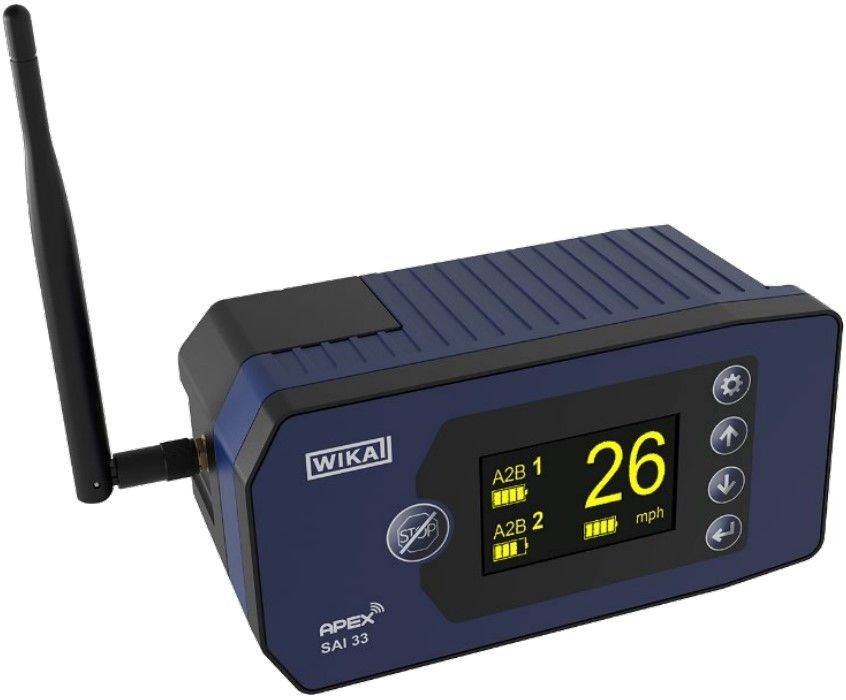
Morning fog lifts slowly around a busy crane site. Steel hangs midair, radios crackle, and wind shifts without warning. One missed signal can turn routine lifts into dangerous situations. Tools that sense load limits and wind changes now play a quiet but powerful role. WIKA Apex SAI A2B and Windspeed Monitoring helps crews see risks early and react before small issues become serious accidents.
Why crane safety needs smarter awareness
Crane work depends on balance, timing, and clear information. Operators make decisions every second, often under pressure. Visual checks alone cannot catch every risk. Hidden overloads, sudden gusts, or blind spots can still surprise skilled crews.
Smart monitoring systems add another layer of awareness. They act like extra eyes on the jobsite. These systems track lift position, hook height, and wind conditions in real time. With better signals, crews gain time to slow down, adjust, or stop safely.

Understanding anti-two-block protection in simple terms
Anti-two-block systems prevent the hook block from hitting the boom tip. That impact can damage equipment or cause dropped loads. Traditional systems rely on simple switches that may wear or misread conditions.
Modern anti-two-block designs sense movement and distance more accurately. They give early alerts instead of last-second warnings. Operators hear or see alerts before danger gets close. This early notice helps avoid panic moves that often cause secondary accidents.
How wind speed monitoring protects lifts
Wind often changes faster than people expect. Calm mornings can turn risky within minutes. High winds affect load swing, boom stress, and overall stability. Relying on nearby weather reports does not reflect conditions at hook height.
Onboard wind sensors measure actual jobsite conditions. They track real wind speed where the load moves. Alerts trigger when limits approach unsafe levels. Crews then pause lifts, lower loads, or secure equipment before trouble starts.
Better decisions through clear, simple alerts
Safety systems work best when alerts feel easy to understand. Confusing signals slow reactions and cause mistakes. Clear warnings help operators respond quickly without second guessing.

Audible alarms, visual lights, or display messages guide the next step. Instead of guessing, operators act with confidence. This clarity reduces stress during complex lifts and busy schedules.
The role of pressure sensing in load awareness
Load awareness starts with accurate pressure measurement. Pressure sensors translate force into readable data. That data helps systems understand how much weight the crane carries at any moment.
The WIKA Pressure Transducer 044-314-060-014 DAVS supports stable and consistent pressure readings. These readings help monitoring systems judge load changes smoothly. Sudden spikes or drops become visible before reaching unsafe levels.
Accurate pressure data supports safer lifts without slowing work. Crews keep moving while staying within safe limits.
Reducing human error through system support
Even experienced operators have off days. Fatigue, noise, and distractions affect judgment. Monitoring tools act as backup during those moments.
Instead of replacing skill, systems support it. Alerts reinforce training and site rules. Operators stay focused on controls while technology watches limits quietly in the background.
This shared responsibility lowers accident risk across long shifts and tough weather conditions.
Benefits for safety managers and supervisors
Safety managers need clear records and reliable data. Monitoring systems create consistent signals across different cranes and crews. Standard alerts reduce confusion between job sites.
Supervisors can review events and near misses. Patterns become visible over time. Training programs then improve based on real situations, not guesses.
Reliable systems also support safety audits and compliance reviews. Documentation shows proactive risk control instead of reactive responses.
Supporting long-term equipment health
Unsafe lifts damage more than people. They strain booms, cables, and hydraulic systems. Repeated stress shortens equipment life and raises maintenance costs.
Pressure and wind monitoring reduce extreme stress events. Equipment works within safer ranges more often. Over time, this approach supports smoother operation and fewer breakdowns.
The WIKA Pressure Transducer 044-314-060-014 DAVS plays a role by keeping load data steady and dependable during daily operations.
Building a stronger safety culture
Technology alone cannot create safety. Culture matters just as much. When crews trust alerts, they follow them. When systems feel reliable, people respect their warnings.
Monitoring tools encourage open conversations about risk. Operators speak up sooner. Supervisors support pauses without blame. That shared mindset keeps everyone safer on site.
Closing thoughts on safer crane operations
Crane safety improves when awareness improves. Systems that monitor load limits and wind conditions reduce guesswork and stress. WIKA Apex SAI A2B and Windspeed Monitoring supports smarter decisions by turning hidden risks into clear signals. With better insight, crews stay safer, equipment lasts longer, and jobsites run with more confidence.
FAQs
- How does an anti-two-block system improve crane safety?
An anti-two-block system warns operators before the hook block contacts the boom tip. Early alerts prevent sudden stops, dropped loads, and costly equipment damage during lifts. - Why is real-time wind monitoring important on crane jobsites?
Wind conditions can change quickly at lift height. Real-time monitoring helps operators pause or adjust lifts before wind causes load swing or crane instability. - Can crane monitoring systems reduce operator error?
Yes. Clear alerts support operators during busy or stressful moments. These systems act as a safety backup, helping crews stay within safe limits consistently. - How does pressure sensing help with load control?
Pressure sensing converts lift force into readable data. This allows monitoring systems to detect overloads early and maintain smoother, safer crane movements. - Who benefits most from advanced crane safety monitoring tools?
Crane operators, safety managers, rigging crews, and fleet supervisors all benefit from better visibility, fewer incidents, and improved long-term equipment reliability.





