

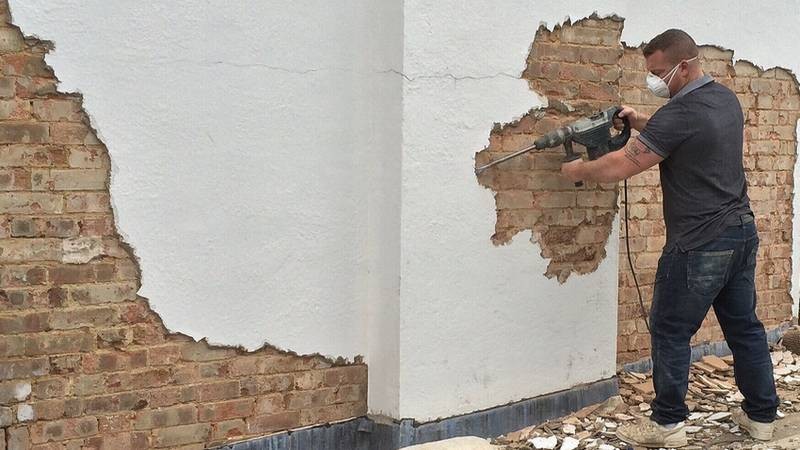
Brickwork exudes a timeless charm, offering a classic and durable aesthetic for both interiors and exteriors. However, over time, many homeowners and designers choose to strip off the render to reveal the original brickwork beneath. Remove render from brick can transform the character of a space, giving walls a fresh, natural appeal. At Tasteful Space, we understand the importance of executing this process with care, ensuring both the integrity of the brick and a high-quality finish.
Understanding the Basics of Render Removal
Render, often a mixture of cement, sand, and sometimes lime, is applied to brick walls to improve appearance, provide weather protection, and hide imperfections. While it serves its purpose, removing it requires a strategic approach. The process is not merely cosmetic; improper removal can damage the underlying bricks or mortar.
Before starting, it’s essential to identify the type of render applied—whether it’s traditional sand and cement or a modern polymer-based render. Each type requires different techniques and tools. Knowing this in advance ensures an efficient, damage-free removal process.

Tools and Techniques for Removing Render
Manual Methods
For small areas or detailed restoration, manual methods are highly effective. Tools such as chisels, hammers, and masonry scrapers allow for precise control. Start by scoring the render with a hammer and chisel, then carefully chip it away in small sections. This method minimizes the risk of damaging the brick surface. While labor-intensive, manual removal is ideal for high-end finishes where brick appearance matters most.
Power Tools
For larger projects, power tools like angle grinders or rotary hammers fitted with masonry attachments can expedite render removal. Using power tools requires caution; too much pressure can chip the bricks. Always work systematically, starting from the top and moving downwards to prevent debris from scratching already cleaned areas. Safety equipment, including goggles, gloves, and dust masks, is critical when using mechanical methods.
Chemical Solutions
Certain chemical strippers are available for rendering removal, particularly for polymer-based renders. These products soften the render, making it easier to scrape off. While effective, chemical methods require strict adherence to manufacturer instructions and proper ventilation to avoid health hazards.
Preparing Bricks After Render Removal
Once the render is removed, the bricks may retain residual mortar or render particles. Brushing the surface with a stiff wire brush and washing it with clean water ensures the wall is ready for any subsequent treatment, such as sealing or repainting. For heritage or reclaimed bricks, minimal intervention preserves the natural texture and patina, enhancing aesthetic value.
Properly cleaning the bricks also improves adhesion for any protective coatings. At Tasteful Space, we emphasize not only the visual appeal but also the long-term durability of exposed brick surfaces.

Common Challenges and How to Overcome Them
Remove render from brick presents a few common challenges. Older walls may have weak mortar joints, making them prone to damage. In such cases, patience is key—avoid aggressive hammering, which can dislodge bricks or cause cracking.
Additionally, some renders are deeply bonded to the brick, requiring repeated passes with a combination of manual and mechanical methods. Testing a small area first helps determine the optimal technique, saving both time and materials.
Weather conditions also play a role. Removing render during damp conditions can lead to uneven results and damage the bricks. A dry, stable environment is ideal for the process.
Final Thoughts
Stripping render to reveal original brickwork can dramatically enhance the character and warmth of a space. Done correctly, it creates a visually striking feature that blends historic charm with contemporary design. At Tasteful Space, we prioritize precision, care, and professionalism in every project, ensuring that each brick is preserved while achieving the desired aesthetic.
Whether restoring an old façade or updating an interior wall, understanding the right techniques and precautions is essential. By combining careful manual work, the right tools, and proper post-removal preparation, homeowners and professionals alike can enjoy the timeless beauty of exposed brick for years to come.





