
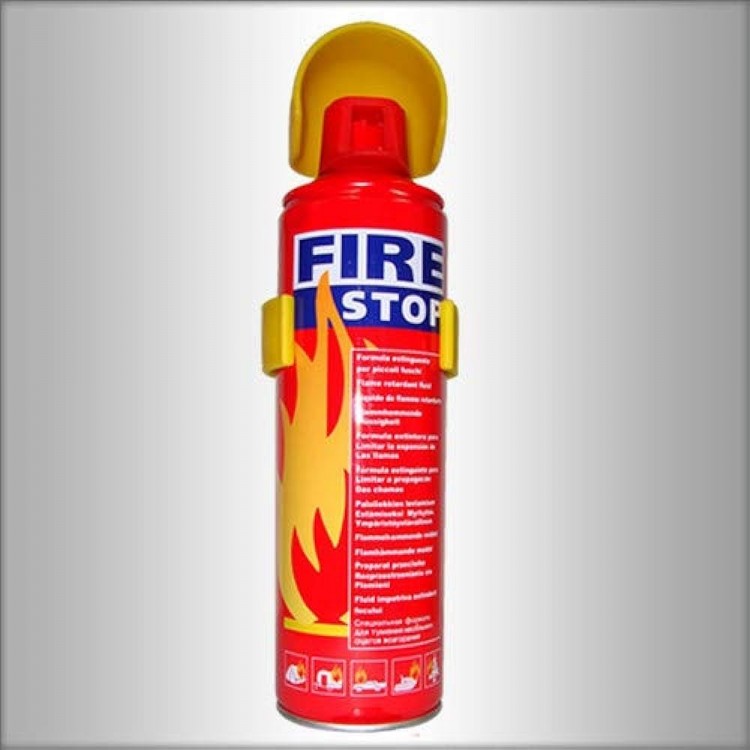
In modern architecture, safety is paramount, and fire safety forms a non-negotiable cornerstone of building design. Architects are not just creators of aesthetic and functional spaces; they are also guardians of occupant well-being. A critical aspect of this responsibility lies in implementing effective passive fire protection systems, which are designed to contain fire and smoke within defined compartments, allowing precious time for evacuation and minimizing property damage. At the heart of these systems are various types of specialized materials, commonly known as firestop products.
Understanding Essential Firestop Materials
Understanding the properties and applications of different Firestop material is essential for architects to make informed decisions that comply with stringent building codes and enhance overall life safety. These materials act as invisible barriers, sealing openings and gaps in fire-rated walls, floors, and ceilings where services like pipes, cables, and ducts pass through. Here's a look at the top 8 firestop materials every architect should be familiar with, crucial for effective passive fire protection.
1. Intumescent Sealants and Caulks
These are among the most frequently used firestop materials. When exposed to heat, intumescent sealants undergo a chemical reaction, causing them to expand significantly. This expansion forms a robust, char-like barrier that effectively seals off openings, preventing the passage of fire, smoke, and hot gases. They are typically applied in smaller gaps around various penetrations like pipes, cables, and ducts, as well as within construction joints. Their inherent flexibility is a key advantage, making them ideal for areas that may experience minor building movement.

2. Ablative Coated Batts/Boards
These rigid panels are typically made from high-density mineral wool or other inherently fire-resistant substrates. They are then coated with an ablative substance. In the event of a fire, the ablative coating reacts by charring and eroding, a process that absorbs significant heat and releases inert gases. This action effectively cools the surface and greatly delays heat transfer. These boards are particularly effective for sealing larger, more complex openings or areas with multiple penetrations. They are often used in combination with sealants to ensure a comprehensive, airtight seal.
3. Firestop Mortars
Firestop mortars are heavy-duty, inorganic compounds, often cement-based or gypsum-based. They are specifically designed for filling larger, irregularly shaped openings in fire-rated walls and floor assemblies, especially around substantial pipes or extensive ductwork. Once mixed with water on-site, these mortars are poured or troweled into place, setting to create a rigid, non-combustible barrier that offers exceptional fire resistance and contributes to structural stability.
4. Firestop Collars and Wraps
These specialized products are engineered primarily for combustible pipes (such as PVC or CPVC) that penetrate fire-rated barriers. Both types typically incorporate intumescent technology.
- Collars: These consist of a metal casing internally lined with intumescent material. The collar is mechanically fixed around the pipe at the point where it passes through the fire-rated structure. In a fire, the intumescent lining expands with immense force, crushing the softening or melting pipe and effectively sealing the resulting void, thereby maintaining the fire rating of the barrier.
- Wraps: Similar in their intumescent action, wraps are flexible strips or rolls of intumescent material. They are wrapped around combustible pipes or ducts and then secured. Their function is to expand when heated, filling the void created as the combustible material burns away, thus preventing the spread of fire and smoke.
Also Read : Your Go-To Guide for Eye Bolt Solutions in UAE: How Oman Ocean Trading LLC Supports Your Projects
5. Firestop Putties and Pads
These highly pliable, non-curing compounds are designed for easy manual application. They can be molded by hand to precisely fill small, intricate gaps, frequently encountered around electrical boxes, individual cables, or small diameter pipes. Their versatility allows them to conform to irregular shapes, and a significant advantage is their ability to be easily removed and re-applied, which is beneficial for future modifications to services without compromising fire protection. They also often provide acoustic sealing benefits.

6. Firestop Pillows
Firestop pillows typically consist of a fire-resistant fabric casing filled with intumescent or other fire-resistant granular materials. They are commonly used for temporary openings or in areas where services might require frequent access or modification, such as in data centers or utility rooms. These pillows are friction-fitted into openings and, in the event of a fire, the internal materials expand to create a fire-resistant seal.
7. Fire-Rated Foams
While careful selection and certification are paramount, specifically engineered fire-rated foams can be highly effective for sealing irregular and complex penetrations where traditional materials might be challenging to apply. These foams expand upon application to fill voids and often incorporate intumescent properties, further enhancing their fire-stopping capabilities when exposed to heat. They provide a quick and efficient sealing solution for various openings.
8. Cavity Barriers and Perimeter Fire Stops
While not always singular "materials" in the same vein as sealants or mortars, these are indispensable components of passive fire protection systems.
- Cavity Barriers: Strategically installed within concealed spaces (such as wall cavities, floor voids, or roof spaces), these barriers are designed to prevent the unseen and rapid spread of fire and smoke through hidden channels, maintaining compartmentation.
- Perimeter Fire Stops: These are crucial linear firestop systems designed to seal the often-complex junction between floor slabs and external curtain walling or facade systems. They prevent fire from bypassing the floor slab fire compartment and spreading vertically along the building's exterior.
Why Architects Must Understand These Materials
Beyond knowing what each material is, architects must understand their specific applications, limitations, and, most importantly, their fire-resistance ratings (F and T ratings) as per international standards like ASTM E814 (UL 1479) and UL 2079 for joints. Proper specification and installation are crucial, as even the best material will fail if not applied correctly. Collaborating with certified firestop professionals and relying on tested systems is key to ensuring that the designed fire safety truly functions when it matters most.
Conclusion
The selection of appropriate firestop materials is a fundamental responsibility for architects, directly impacting a building's resilience against fire and the safety of its occupants. By understanding the unique properties and applications of intumescent sealants, ablative boards, mortars, collars, wraps, putties, foams, and cavity barriers, architects can specify robust passive fire protection systems. This knowledge ensures compliance with evolving safety standards and contributes to the construction of safer, more secure structures. For comprehensive firestop solutions and expert guidance, professionals often turn to trusted suppliers like Oman Ocean Trading LLC.





