

Buildings are made to last, but they face many challenges from nature. Rain, heat, wind, and moisture can slowly damage parts of a building, especially the roof and foundation. That’s where bitumen membranes come in. They help protect buildings from water damage and increase the overall life of the structure.
In this blog, we’ll explore what bitumen membranes are, how they work, and why they are a smart investment for any building owner.
What Is a Bitumen Membrane?
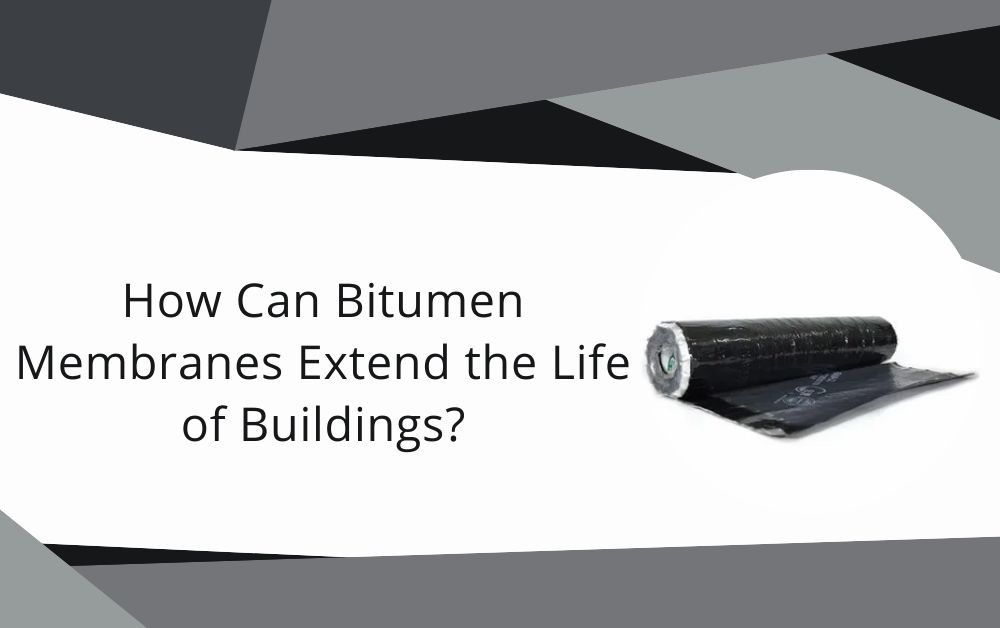
A bitumen membrane is a waterproof layer that is used to stop water from entering parts of a building. It is made from bitumen, a black sticky substance that is often used in road construction. Bitumen is mixed with polymers to make it strong, flexible, and waterproof.

These membranes are often rolled out and applied to surfaces like roofs, basements, and concrete walls. They come in two main types:
1. APP (Atactic Polypropylene) Membrane
- Made with plastic additives.
- Strong in hot weather.
- Good for areas with high temperatures.
2. SBS (Styrene-Butadiene-Styrene) Membrane
- Made with rubber-like additives.
- Flexible in cold temperatures.
- Best for areas with colder climates or more movement.
Why Buildings Need Waterproofing
Water is one of the biggest threats to buildings. Over time, moisture can weaken concrete, cause metal to rust, and create mold and mildew. This not only affects the building's strength but also the health of people inside it.
Bitumen membranes are one of the best solutions to stop this kind of damage. Let’s look at how they help extend the life of a building.

How Bitumen Membranes Protect Your Building
1. Stops Water Leaks
Water leaks can cause serious damage to roofs, walls, and foundations. Bitumen membranes create a tight waterproof barrier that prevents rainwater from entering the building.
Benefits:
- No water stains on ceilings or walls.
- Prevents mold and bad smells.
- Reduces repair costs.
2. Protects the Roof Structure
Roofing is the most exposed part of a building. It gets the most sunlight, rain, and wind. Bitumen membranes protect the roof by acting like a strong shield.

Results:
- Roof lasts longer.
- Less chance of cracks or damage.
- Keeps the inside of the building dry and safe.
3. Adds Flexibility and Strength
Buildings move slightly over time due to temperature changes, settling, or external pressure. Bitumen membranes are flexible, which means they can move with the building without tearing or cracking.
Good for:
- Areas with frequent temperature changes.
- Buildings in earthquake zones.
- Older buildings that need extra protection.
4. Resists UV Rays and Heat
The sun’s ultraviolet (UV) rays can break down many roofing materials. Bitumen membranes are designed to resist UV damage, especially APP membranes which are great in hot areas like Dubai.
This helps:
- Keep the building cooler.
- Reduce heat-related wear and tear.
- Save energy by improving insulation.
5. Acts as a Vapor Barrier
Moisture can rise from the ground and enter floors and basements. Bitumen membranes stop this by acting as a vapor barrier, blocking moisture from entering.
Where it helps:
- Under floors and foundations.
- Basements and underground rooms.
- Walls that face high humidity.
Common Places Where Bitumen Membranes Are Used
Knowing where bitumen membranes are used shows how important they are in protecting buildings:
Roofs
- Flat and sloped roofs.
- Under tiles or solar panels.
Basements
- Inner and outer basement walls.
- Floor slabs.
Wet Areas
- Bathrooms, kitchens, and balconies.
- Swimming pools and water tanks.
Concrete Structures
- Bridges, tunnels, and dams.
- Underground parking lots.
Long-Term Benefits of Using Bitumen Membranes
1. Saves Money on Repairs
Water damage repairs are expensive. With proper waterproofing, you prevent these problems before they start. This saves money in the long run.
2. Increases Building Value
Buildings with good waterproofing are more valuable. Whether you are selling, renting, or living in it—your property will be safer and worth more.
3. Improves Indoor Comfort
No more water leaks, mold, or moisture inside. Bitumen membranes help keep your building dry, clean, and healthy.
4. Environment-Friendly Option
By increasing the life of the building and reducing energy use, bitumen membranes also help the environment. You use fewer materials over time and reduce energy bills.
Simple Installation and Maintenance
Bitumen membranes are not only strong and reliable but also easy to install with the help of professionals. They can be:
- Torch-applied: Heated with a torch to bond to the surface.
- Self-adhesive: Already sticky, just peel and stick.
- Mechanically fixed: Attached with screws or nails.
Once installed, bitumen membranes need very little maintenance. A regular check-up every year is enough to ensure there are no tears or damage.
Tips to Make Bitumen Membrane Work Better
To get the best result from your waterproofing, here are some expert tips:
Hire Professionals
Always use trained workers who know how to install the membrane properly.
Choose the Right Type
Use APP membranes in hot climates and SBS in areas with temperature changes.
Prepare the Surface
Clean the surface before applying the membrane. Dirt or moisture can reduce effectiveness.
Inspect Regularly
Do a visual check every 6–12 months, especially after storms or heavy rain.
Bitumen Membrane vs. Other Waterproofing Methods
| Feature | Bitumen Membrane | Liquid Coating | Cementitious Waterproofing |
|---|---|---|---|
| Durability | High | Medium | Low |
| Flexibility | Good | Poor | Poor |
| Weather Resistance | Excellent | Moderate | Poor |
| Application | Roll/torch | Brush/spray | Brush |
| Maintenance | Low | Medium | High |
From the table above, it's clear that bitumen membrane offers better protection and performance, especially for long-term use.
Conclusion
Bitumen membranes are a smart and reliable solution for protecting buildings from water damage. They not only increase the life of the structure but also make it safer, stronger, and more comfortable.
Whether you're building a new home or upgrading an old one, using bitumen membrane waterproofing is a step in the right direction. It protects your investment, saves on future repairs, and gives peace of mind.





