Introduction
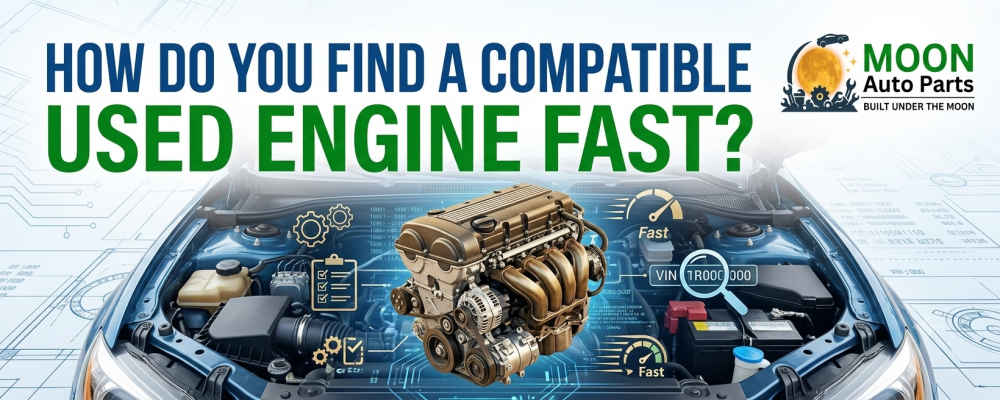
A used engine can save you thousands of dollars compared to buying a new one, but only if it's compatible with your vehicle. Choosing the wrong engine can lead to installation problems, poor performance, costly modifications, or even complete incompatibility. The good news is that finding the right match doesn't have to be difficult. By understanding engine codes, VIN information, and compatibility resources, you can quickly identify an engine that fits your vehicle and get back on the road faster.
Quick Answer
The fastest way to find a compatible used engine is to use your vehicle's VIN, confirm the engine code, and verify compatibility through a reputable salvage yard, auto recycler, or engine supplier. Matching the engine code, year, make, model, and transmission type helps ensure a proper fit and reduces the risk of installation problems.
What Makes a Used Engine Compatible?
A used engine is considered compatible when it matches your vehicle's specifications and can be installed without significant modifications.

Key compatibility factors include:
-
Vehicle Identification Number (VIN)
-
Engine code
-
Year, make, and model
-
Trim level

-
Transmission type
-
Emissions requirements
-
Electronic sensors and wiring
Even engines from the same manufacturer may not be interchangeable if these details differ.
How Can You Find a Compatible Used Engine Quickly?
Use Your VIN First
Your VIN is the most accurate tool for identifying the correct engine.
You can find it:
-
On the dashboard near the windshield
-
Inside the driver's door frame
-
On registration and insurance documents
Many suppliers can use the VIN to verify engine compatibility in minutes.
Check the Engine Code
The engine code provides specific information about the engine's design and configuration.
Matching engine codes helps ensure:
-
Correct mounting points
-
Compatible electronics
-
Proper performance
-
Easier installation
Gather Complete Vehicle Information
Before searching, have the following ready:
-
Year
-
Make
-
Model
-
Trim level
-
Engine size
-
Transmission type
Providing complete information helps sellers identify the correct replacement engine faster.
Where Can You Find Compatible Used Engines?
Salvage Yards
Auto recyclers often have access to large inventories and can search interchange databases to locate compatible engines.
Benefits include:
-
Competitive pricing
-
Local availability
-
Opportunity to inspect the engine
-
Faster delivery or pickup
Specialized Engine Suppliers
Engine-focused suppliers typically perform compatibility checks before selling.
Many also provide:
-
Warranty coverage
-
Mileage verification
-
Engine testing reports
Online Inventory Networks
Many online databases allow searches by:
-
VIN
-
Engine code
-
Vehicle details
These tools can quickly identify compatible engines from multiple sellers.
What Questions Should You Ask Before Buying?
Ask the seller:
-
Is this engine compatible with my VIN?
-
What is the engine code?
-
How many miles are on the engine?
-
Was the engine tested before removal?
-
Does it include a warranty?
-
What vehicle did it come from?
-
Are all sensors and accessories included?
These questions help reduce the chances of purchasing the wrong engine.
What Compatibility Checks Should You Never Skip?
Engine Code Match
This is often the most important compatibility check.
Transmission Compatibility
Some engines are designed for specific transmission configurations.
Electronics and Sensors
Modern vehicles rely on sensors and engine control modules that must communicate properly.
Emissions Compliance
The replacement engine should meet local emissions requirements and match your vehicle's original configuration.
What Are Common Compatibility Mistakes?
Avoid these mistakes:
-
Buying based only on vehicle model
-
Ignoring engine codes
-
Skipping VIN verification
-
Overlooking transmission differences
-
Assuming all engines from the same year are identical
-
Failing to verify emissions requirements
These errors can lead to expensive installation issues.
How Do You Know You've Found the Right Engine?
You likely have a compatible engine when:
-
VIN compatibility is confirmed
-
Engine codes match
-
The transmission configuration is correct
-
Electronics and sensors align with your vehicle
-
The supplier provides documentation and warranty coverage
Frequently Asked Questions
Can I use a used engine from a different vehicle model?
Sometimes. Manufacturers often use the same engine across multiple models, but compatibility should always be verified using VIN and engine code information.
Is VIN verification enough?
VIN verification is the best starting point, but engine code, transmission type, and emissions requirements should also be checked.
How long does it take to find a compatible used engine?
Many buyers can locate a compatible used engine within a few hours when they have their VIN and complete vehicle information available.
Should I choose the cheapest compatible engine?
Not always. Consider mileage, warranty coverage, testing history, and overall condition in addition to price.
Bottom Line
The fastest way to find a compatible used engine is to start with your VIN, verify the engine code, and work with a reputable supplier that can confirm fitment before purchase. Taking a few minutes to verify compatibility can help you avoid costly mistakes and get your vehicle back on the road sooner.
Read more - How Do You Buy a Salvage Engine Without Risks?