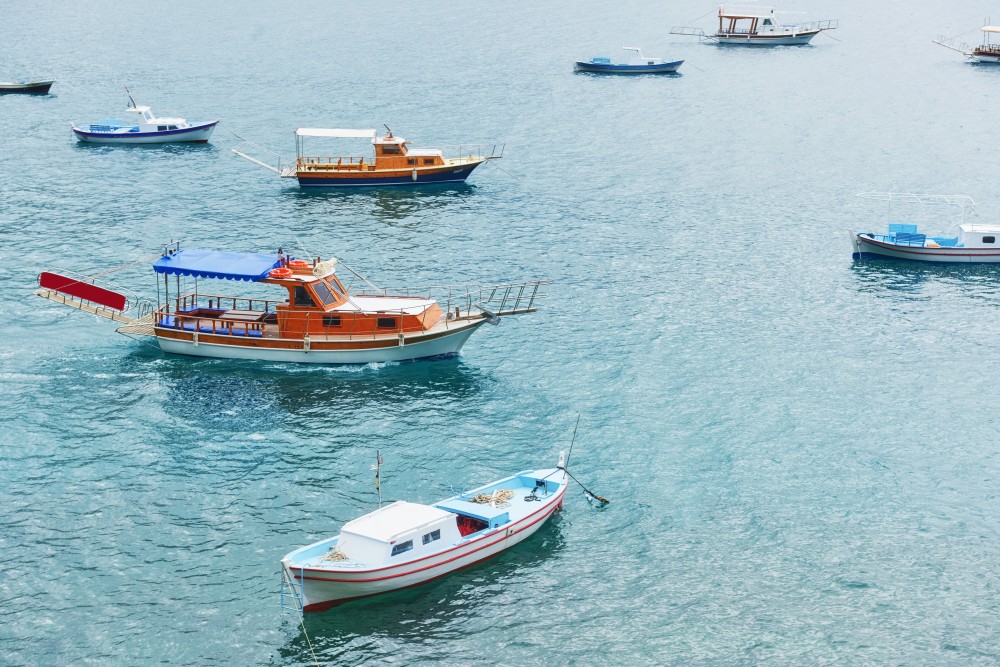
An intensive dissection of Islamorada fishing, comprising ecosystems, seasonal variations, fishing gear, and the ecological role of Islamorada fishing within Florida's extensive marine arena.
Islamorada fishing was hugely boosted by its rich marine biodiversity and geostrategic position in Florida Keys. Also referred to as the "Sportfishing Capital of the World, " the location is full of different fishing environments that support both leisure and professional anglers. Islamorada fishing refers to different fishing methods, species, and ecological relations that characterize this region.
One of the most recognizable features of Islamorada fishing is the availability of a wide range of habitats within a pretty small area. Fishers can spend their day moving from shallow flats, coral reefs, backcountry waters to deep offshore zones. These habitats are influenced by the Atlantic Ocean and the Gulf of Mexico, which results in a constantly changing environment that is suitable for a wide variety of fish species.

Alongside the inshore fishing, it is also a significant part of Islamorada fishing. The shallow areas and the backcountry lined with mangroves are the perfect environment for fish like bonefish tarpon permit, and snook. These fishes are usually linked to sight fishing - a method that demands patience and accuracy. The calm and clear waters give fishermen the opportunity to see the fish and cast the bait or lure very precisely, so this way, it is quite difficult but at the same time, very pleasing.
Reef fishing is the second most important part of Islamorada. The coral reef system is one of the largest ones in North America and it also supports a very rich marine ecosystem. The fish that live in that area are snapper, grouper, and different pelagic fish. To fish them, you would anchor or drift near reef structures, and that is where fish gather for food and shelter.
Offshore or deep-sea fishing is yet another perspective of Islamorada fishing. Only a few miles from the shore, the seabed goes down very steeply, making it an excellent location for big game fish. The types of fish like mahi-mahi tuna sailfish, and marlin that are usually targeted here. These methods usually include trolling where various speed a reels lures are used.
Seasonality is a major factor that affects the fishing experiences in Islamorada. Various species have their peak periods of activity which correspond to changes in water temperature, migration of animals and availability of food. For instance, tarpon migrations coincide with warm months while sailfish are more available in cooler seasons. Such seasonal changes in animal behavior make sure that fishing in Islamorada is always active no matter which time of the year it is because the locations where fish are found keep changing. Fishing is greatly affected by natural elements as the behavior of fish and where they can be accessed changes depending on the tides, currents, and weather conditions.
In fact, getting to know these factors is very important for fishin... Fishing sustainability is a very big issue in Islamorada as there are fish population protecting conservation efforts and marine ecosystems health maintain that are the main goals of conservation efforts. Many examples can be mentioned such as catch-and-release fishing, compliance with size and bag limits, and resorting to ecologically responsible fishing gears that are all part of a holistic approach towards sustainability in fishing. These strategies aid in making sure that the region's fisheries continue to provide for the needs of the fishers and the community as a whole, well into the future.

Islamorada fishing also brings out the marine ecosystems' interconnectedness. Thriving coral reefs, seagrass beds, and mangroves provide an abundance of diverse fish species. To maintain the biodiversity and overall marine health, it is necessary to preserve these habitats.
Besides the ecological and environmental aspects, Islamorada fishing has deep-rooted cultural and economic importance. The area has a rich history of fishing, and even today, fishing activities significantly impact the lives of local people. Fishing expeditions attract tourists and promote various marine recreational sectors. However, fishing is mainly appreciated for its role in natural resource stewardship and fostering environmental consciousness.
In essence, Islamorada fishing depicts a multifaceted and evolving system where various ecosystems, seasonal changes, and sustainable methods are integrated. By grasping the environmental constituents and the role of management, one realizes why this locale still offers abundant fishing experiences.