

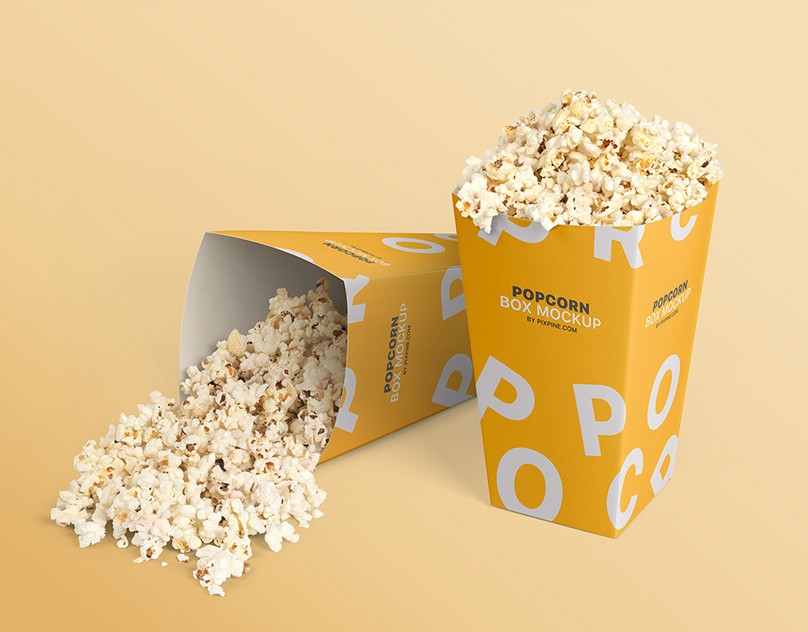
Gamification has changed how we experience everyday products. Even simple items like food packaging can become playful and engaging. Companies are now using packaging to entertain, educate, and connect with customers. One striking example is turning popcorn boxes into interactive experiences. This approach blends creativity, marketing, and user engagement to create memorable moments. The following sections explore how this trend works, why it matters, and the techniques used.
How Gamification Transforms Packaging
Gamified packaging adds a layer of interaction to a product that goes beyond its primary function. Instead of just holding popcorn, a box can offer puzzles, games, or storytelling elements. This approach increases customer attention and retention. People are more likely to remember a product if it engages them in a small challenge or reward system. Gamification can include quizzes, mazes, collectible elements, or augmented reality experiences. Each interaction builds a sense of fun and curiosity.
Interactive packaging also encourages repeat purchases. When a consumer enjoys the game or challenge, they want to continue the experience with future purchases. Marketers use this to build brand loyalty and social sharing. Social media amplification happens when users share their game results or achievements online. This organic promotion is far more effective than traditional advertising because it comes from genuine enjoyment.

Another important factor is emotional engagement. Gamified packaging can create positive emotions such as surprise, excitement, or nostalgia. These feelings are associated with the product, making it more memorable. For example, a popcorn box that transforms into a puzzle can spark creativity and playfulness. In a competitive market, such emotional connections influence buying decisions and brand perception.
Finally, gamified packaging can gather useful data. Companies may track which challenges are completed or which designs attract the most attention. This helps refine marketing strategies and design choices. Overall, gamification transforms packaging from a passive container into an active experience that benefits both the consumer and the brand.
Designing Interactive Elements for Packaging
Effective gamified packaging depends on thoughtful design. Designers must balance entertainment with functionality. The interactive elements should not interfere with the product’s core purpose. In the case of popcorn, the box must still hold the snack securely and maintain freshness. At the same time, designers can integrate playful features such as pull-out tabs, hidden messages, or foldable sections. These elements invite curiosity while keeping the product usable.
Color, shape, and layout play key roles in gamification. Bright colors and bold patterns attract attention and signal playfulness. Unique shapes can encourage exploration, making users want to touch and manipulate the packaging. Designers also consider ergonomics to ensure the interactive parts are easy to use. For instance, a spinning wheel on a popcorn box should move smoothly and be visible without obstructing the snack inside.
Storytelling is another effective design approach. Packaging can create mini-narratives where users uncover the story piece by piece. For example, a maze on a box might reveal a character or scene when completed. Such designs increase engagement because they tap into humans’ natural love for stories. They also provide a collectible aspect, as consumers might seek all variations of the story.

Designers often test prototypes with focus groups to refine interaction. They look for points of frustration or confusion that could harm the experience. Feedback ensures that the game element enhances enjoyment rather than creating difficulty. Well-designed interactive packaging balances challenge and reward, ensuring that users feel accomplished and entertained.
The Role of Technology in Gamified Packaging
Technology has expanded what gamified packaging can achieve. Digital elements like QR codes, augmented reality, or mobile apps transform a simple box into an immersive experience. For instance, scanning a code on a popcorn box can trigger a mini-game, unlock bonus content, or provide a virtual character. This fusion of physical and digital interaction keeps consumers engaged longer.
Augmented reality (AR) is particularly powerful. AR can overlay animations or interactive scenes on the packaging through a smartphone. Users might see a virtual world unfold on top of their snack, turning a static box into a dynamic experience. This approach also opens opportunities for social sharing, as users often post screenshots or videos of their AR interactions.
Mobile integration allows for loyalty programs and rewards. Completing a challenge on the box or in the app can give points, coupons, or exclusive content. This encourages repeat purchases and strengthens brand loyalty. Gamification in packaging is therefore not only about entertainment; it can also drive measurable business outcomes.
Another technological approach involves data collection. Apps connected to gamified packaging can track user behavior and preferences. Brands can use this data to tailor future products or promotions. Insights such as which games are most popular or which packaging designs encourage sharing inform marketing strategies and design improvements. In short, technology makes gamified packaging interactive, measurable, and scalable.
Benefits for Brands and Consumers
Gamified packaging offers advantages for both companies and customers. For brands, it creates differentiation in a crowded market. Products that entertain or engage stand out on shelves and online. Interactive packaging can also extend brand messaging beyond traditional channels, leveraging play as a communication tool. Consumers are more likely to recall the product and associate it with fun and positive emotions.
For consumers, gamified packaging enhances the overall experience. A simple snack becomes a memorable event, adding value to an everyday purchase. Interaction encourages creativity, problem-solving, and social sharing. Children, especially, enjoy puzzles or games that turn snack time into a playful activity. Adults also appreciate engaging experiences that bring nostalgia or novelty.
The benefits extend to marketing metrics. Gamified packaging can increase engagement, brand recall, and word-of-mouth promotion. Social media shares amplify the effect and reach audiences organically. Surveys and reviews show that people are more willing to buy products that offer interactive fun. Loyalty programs tied to packaging can further enhance repeat purchases, strengthening long-term relationships.
Overall, the combination of emotional, social, and practical benefits makes gamified packaging a compelling strategy. It transforms a simple consumer good into an immersive brand experience, creating memorable interactions that foster loyalty and enjoyment.
Popular Gamification Techniques
- Interactive mazes or puzzles
- Scratch-off challenges
- Collectible characters or cards
- QR codes for digital games
- Augmented reality overlays
- Foldable or pop-up elements
- Reward systems for completed challenges
- Seasonal or limited-edition designs
These techniques provide multiple ways to engage users. They can be adapted for different audiences, from children to adults. The key is to make the experience easy to access and rewarding.
Packaging as a Storytelling Medium
Packaging is increasingly used as a storytelling platform. Brands can communicate themes, history, or characters directly on the product. A popcorn box, for example, may feature a narrative that unfolds as the box is opened or manipulated. This approach engages consumers’ imagination and makes the product more memorable.
Stories can be short and simple or part of a larger campaign. Limited-edition series can tell chapters of a narrative, encouraging collection and repeat purchase. Storytelling also helps create emotional bonds with the brand. When consumers feel part of a story, they are more likely to engage deeply and share their experiences.
Moreover, storytelling allows brands to communicate values and identity subtly. Environmental messages, cultural references, or humor can be embedded within the design. This enriches the consumer experience and fosters a sense of connection beyond the product itself.
Sustainability and Gamified Packaging
Gamified packaging can also support sustainability. Brands are exploring recyclable or biodegradable materials while keeping interactive elements. For example, a foldable puzzle may be made entirely from cardboard. This ensures that fun does not come at the expense of environmental responsibility.
Sustainable gamification also appeals to conscious consumers. It demonstrates that the brand values the planet while providing engaging experiences. Materials can be reused for games, or boxes can be designed for secondary uses, such as toys or storage. Combining interactivity with eco-friendly design increases brand credibility and loyalty.
Innovation in this space encourages consumers to rethink packaging as more than a disposable container. It becomes a tool for play, creativity, and environmental awareness, demonstrating that entertainment and responsibility can coexist.
Future Trends in Gamified Packaging
The future of gamified packaging promises even greater immersion and personalization. Advancements in AR, AI, and printing technology will allow more complex games and interactive narratives directly on the product. Personalization may involve tailoring challenges to individual consumers or providing unique digital experiences linked to each package.
Collaboration with social media platforms will continue to expand reach. Gamified packaging may drive community engagement and contests, encouraging users to participate collectively. Brands are also exploring cross-product gamification, where multiple items unlock larger experiences or rewards.
Overall, the trend shows that packaging is no longer just functional. It has become a playground for creativity, engagement, and connection. Companies that embrace gamified packaging effectively can strengthen brand loyalty, drive sales, and provide unforgettable experiences for consumers. Popcorn boxes have emerged as a prime example, demonstrating how even simple items can become interactive entertainment.
Final Thoughts
Gamified packaging is transforming the way we experience everyday products. It turns simple items into playful, engaging, and memorable moments. By adding interactive elements, brands can connect emotionally with consumers, encourage repeat purchases, and increase social sharing. The approach also opens opportunities for storytelling, creativity, and technological integration, making packaging more than just a container.
Popcorn boxes show how even a familiar, simple product can become a platform for entertainment. They demonstrate that thoughtful design, gamification techniques, and technology can create immersive experiences that delight consumers of all ages. By combining fun with functionality, brands build loyalty and positive associations that go beyond the product itself.
Sustainability also plays a role, proving that interactive experiences can coexist with environmentally responsible design. Future trends suggest even more personalized, immersive, and socially connected packaging experiences. Ultimately, gamified packaging is not just a marketing tool; it’s a way to transform ordinary consumption into extraordinary interaction. Companies that embrace this trend are likely to stand out, engage audiences, and create lasting impressions that go far beyond the shelf.
Place Your Order Now: https://ibexpackaging.com/custom-popcorn-boxes/





