

When someone lives with memory loss, the world can feel loud and confusing. Too much noise. Too many choices. Even small things can feel overwhelming. That is why design matters so much in dementia care. The way a space looks and feels can either add stress or bring peace.
In an Alzheimer's care center in Houston, thoughtful design plays a quiet but powerful role in daily life. Every hallway, room, and shared space is planned with care. The goal is simple. Help residents feel safe, calm, and at home.
Why Environment Matters in Memory Care
People with dementia often struggle to process their surroundings. Bright lights can feel harsh. Busy patterns can confuse the eyes. Crowded layouts can trigger anxiety.

Because of this, memory care communities focus on simplicity. Calm spaces help residents relax. When stress goes down, quality of life goes up.
A well-designed dementia care home in Houston understands that environment is part of care. It supports residents without saying a word.
The Power of Color and Lighting
Color has a big impact on mood. Soft shades feel soothing. Neutral tones reduce distraction. Warm colors create comfort.
Lighting matters too. Natural light helps with sleep and mood. Soft indoor lighting reduces glare and shadows. This makes spaces easier to navigate.
Together, color and lighting work like a gentle guide. They help residents feel steady throughout the day.

Layout That Feels Familiar
A confusing layout can cause frustration. Long hallways that look the same can lead to wandering. Sharp turns and hidden doors can increase fear.
That is why memory care layouts are simple and clear. Paths loop instead of ending suddenly. Common areas are easy to find. Rooms feel close, not far away.
This kind of layout helps residents move with confidence. It also reduces the feeling of being lost.
Furniture That Feels Like Home
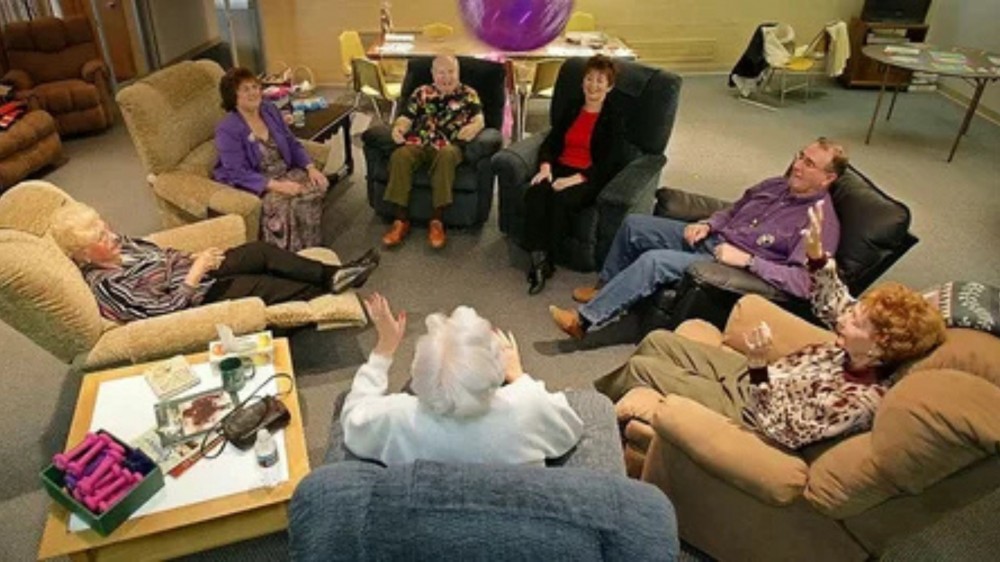
Furniture plays a bigger role than most people think. Soft textures feel comforting. Sturdy chairs offer support. Familiar shapes remind residents of home.
Memory care communities avoid clutter. Too many items can overwhelm the senses. Instead, spaces feel open and calm.
This balance helps residents relax. It also makes daily tasks easier.
Clear Signage Supports Independence
Orientation is key in dementia care. Simple signs help residents know where they are and where to go.
Clear signage often includes words and pictures. Large fonts are easy to read. Colors help signs stand out without being loud.
This memory orientation supports independence. Residents can find the dining room. They can locate restrooms. Small wins like these build confidence.
Reducing Frustration Through Design
Frustration often comes from confusion. When a space makes sense, stress drops.
Design choices like smooth flooring reduce fall risk. Quiet common areas limit noise. Soft textures add comfort.
All these details work together. They create an environment that feels predictable and safe.
In an Alzheimer's care center in Houston, these choices help residents stay calm. In a dementia care home in Houston, they support dignity and comfort.
Supporting Caregivers Too
Good design also helps caregivers. Clear layouts make supervision easier. Calm spaces reduce agitation. This allows staff to focus on connection, not crisis.
When residents feel relaxed, care becomes smoother. Everyone benefits.
A Space That Feels Like Belonging
At the end of the day, design is about more than looks. It is about how a place makes someone feel.
For residents with memory loss, a calm environment can mean fewer anxious moments. It can mean better sleep. It can mean more smiles.
Thoughtful design helps residents feel oriented in a world that often feels unfamiliar. It creates a sense of belonging. And that makes all the difference.
Final Thoughts
Memory care is not just about support. It is about understanding. Design plays a quiet role in that understanding.
From soothing colors to clear signage, every detail matters. When spaces are built with intention, residents feel the difference.
That is why environment remains a cornerstone of quality dementia care. It helps residents feel calm, confident, and cared for every single day.





