

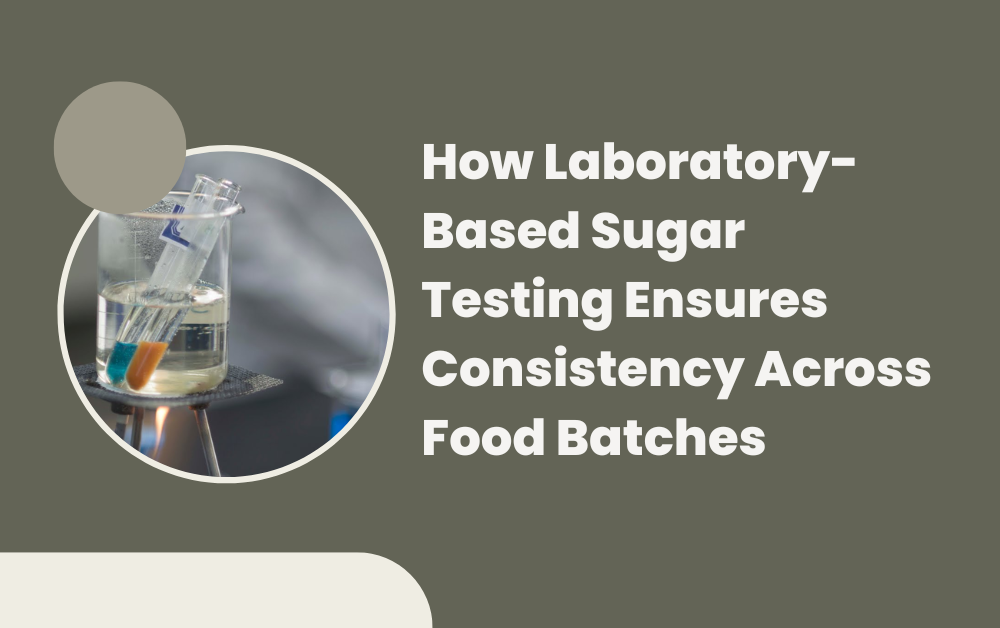
Consistency is one of the most critical quality factors in food manufacturing. Consumers expect the same taste, texture, and sweetness every time they purchase a product, regardless of when or where it was made. Even small variations in sugar levels can change flavor profiles, shelf life, and overall product acceptance. This is where a Sugar Testing Food Lab plays a vital role, providing manufacturers with precise data that helps maintain uniformity across every production batch while meeting safety and regulatory expectations.
Why Sugar Consistency Matters in Food Production
Sugar is not just a sweetener; it directly affects color, moisture retention, fermentation, and preservation. Inconsistent sugar levels can lead to noticeable differences between batches, causing customer dissatisfaction or even product recalls. From beverages and baked goods to sauces and dairy products, maintaining accurate sugar content ensures that recipes perform the same way every time they are produced.


The Role of Laboratory-Based Sugar Testing
Laboratory-based sugar testing provides a controlled environment where advanced analytical methods are used to measure sugar concentrations accurately. Unlike basic in-house checks, laboratory testing follows standardized procedures that minimize errors. These tests help manufacturers verify that raw materials meet specifications and that finished products align with declared nutritional values.
Advanced Testing Methods for Reliable Results
Modern laboratories use techniques such as high-performance liquid chromatography and enzymatic analysis to identify and quantify different types of sugars. These methods offer high precision and can detect even minor deviations. By using laboratory analysis at multiple stages of production, manufacturers can correct issues early and prevent inconsistencies from reaching the market. This level of accuracy supports both quality control and regulatory compliance.
Batch-to-Batch Monitoring and Quality Control
One of the biggest advantages of laboratory testing is its ability to compare data across multiple batches. Consistent monitoring allows manufacturers to track trends, identify process variations, and maintain strict quality standards. When sugar levels remain within defined limits, products retain their intended taste and performance, strengthening brand reliability and consumer trust.

Supporting Compliance and Consumer Confidence
Accurate sugar testing also ensures that nutritional labels reflect actual product content. Regulatory authorities require precise reporting, and laboratory verification helps avoid penalties or reputational damage. Beyond compliance, transparent and consistent quality builds long-term confidence among consumers who rely on familiar flavors and predictable product performance.

Conclusion
Laboratory-based sugar testing is essential for achieving consistent quality, regulatory compliance, and consumer satisfaction across food batches. By relying on precise analysis and ongoing monitoring, manufacturers can deliver products that meet expectations every time. For businesses seeking dependable testing support and expert guidance, Holistic International Testing Services FZ LLC offers reliable solutions to help maintain consistency, quality, and confidence in every batch produced.





