

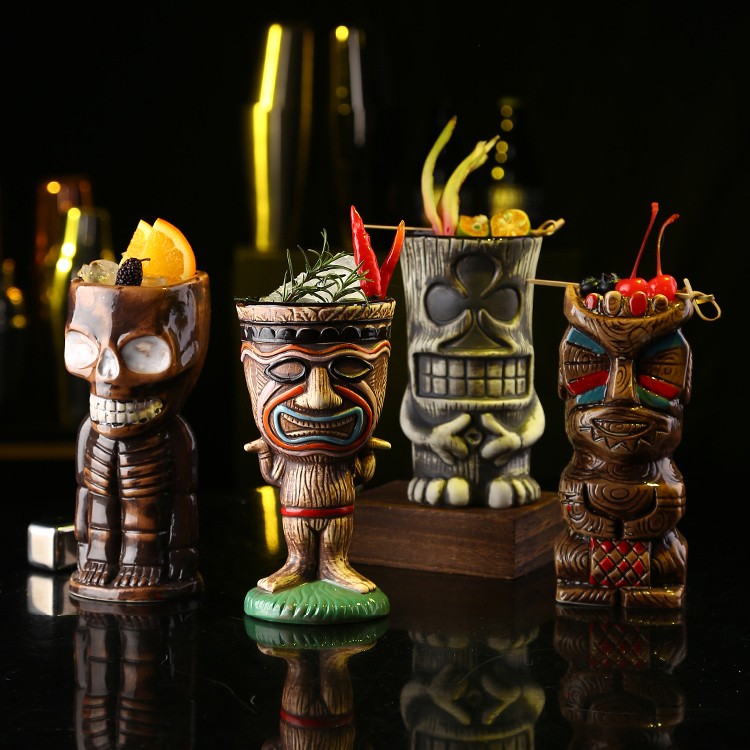
Tiki culture has become a global trend in bars, restaurants, and home décor, especially in recent years. One item often linked with this style is the ceramic tiki mug, which combines creative design with functional use. These mugs are more than drinkware; they reflect art, storytelling, and craftsmanship. This article explains what these mugs are, how they are made, and why quality manufacturing is important for businesses and collectors alike.
What Exactly Is a Ceramic Tiki Mug?
A ceramic tiki mug is a decorative drinking vessel inspired by Polynesian and tropical themes. Traditionally, these mugs feature carved faces, symbols, or figures that reflect island culture. They are commonly used for cocktails but are also popular as collectibles or decorative items.
Unlike standard cups, tiki mugs are known for their detailed shapes and expressive designs. Their artistic value often makes them stand out on store shelves or in themed environments. Because of this, consistency in shape, color, and finish is essential during production.

Why Is Ceramic a Preferred Material?
Ceramic is widely used for tiki mugs because it offers durability, heat resistance, and flexibility in design. It allows artisans to create complex details that would be difficult with other materials. Glazing techniques also help achieve vibrant colors and unique surface effects.
Another benefit of ceramic is safety. When produced correctly, ceramic drinkware meets food-grade standards and is suitable for daily use. This makes it ideal not only for display but also for practical applications in cafés, bars, and homes.
How Are Ceramic Tiki Mugs Manufactured?
The manufacturing process begins with design development. This may involve hand-sculpted models or digital 3D artwork. Once a prototype is approved, molds are created for shaping the ceramic body.
After molding, the mugs are dried, fired, glazed, and fired again. Each stage affects the final quality. Small changes in temperature or material composition can impact color, strength, or finish. This is why experienced manufacturers carefully monitor every step to ensure consistent results.
What Makes Quality Control So Important?
Quality control ensures that every mug matches the approved design and functions properly. This includes checking dimensions, surface smoothness, glaze consistency, and overall durability. For customers ordering in large quantities, consistency is especially important to maintain brand reputation.

Feedback after shipment also plays a role. Manufacturers who review customer responses can identify areas for improvement and avoid repeated issues. This ongoing process helps maintain long-term trust between suppliers and buyers.
How Do Custom Designs Fit Into the Market?
Many brands prefer custom designs to stand out in competitive markets. Customization allows businesses to reflect their unique identity through shape, artwork, or color. With modern techniques such as 3D scanning and digital modeling, design adjustments can be made quickly and efficiently.
However, custom designs must also be suitable for mass production. A good manufacturer considers both creativity and practicality, ensuring that designs can be reproduced accurately without excessive cost or delays.
What Are Common Uses for Ceramic Tiki Mugs Today?
While tiki mugs are often associated with beverages, their use has expanded. Some are used as candle holders, decorative containers, or themed souvenirs. This versatility increases their appeal across different industries, including hospitality, retail, and gifting.
The growing interest in themed décor has also increased demand for ceramic tiki mugs that balance artistic expression with reliable manufacturing standards.
How Can Xiamen Rising Chance Co., Ltd. Support Customers?
Conclusion
Established in 2008, Xiamen Rising Chance Co., Ltd. focuses on developing and manufacturing arts, crafts, and home décor items for customers worldwide. With experience in ceramic, polyresin, and metal crafts, the company supports customers by turning design ideas into practical, manufacturable products. By emphasizing quality control, sample development, and responsive communication, it helps customers meet market demand while maintaining product standards. This informative, customer-focused approach is key to building trust and long-term partnerships in the global souvenirs and gifts industry.





