

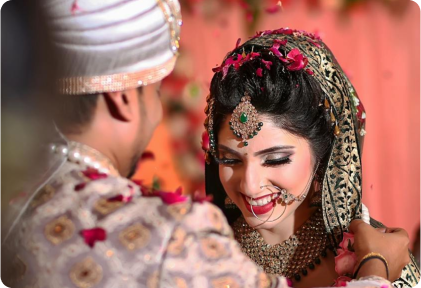
Introduction to Bhoi Vivah in Maharashtra
Bhoi Vivah in Maharashtra: Customs, Culture, and Marriage Process reflects a beautiful blend of tradition, community values, and cultural pride. The Bhoi community, known for its strong social bonds and respect for customs, follows a well-structured and meaningful marriage system.
Marriage in the Bhoi samaj is not just a union of two individuals it is the coming together of two families, guided by traditions passed down through generations. Even today, while modern elements have been introduced, the core rituals remain deeply rooted in tradition, especially across Maharashtra.

Who Are the Bhoi Community in Maharashtra?
The Bhoi community is traditionally associated with occupations such as fishing, agriculture, water transport, and labor-related services. Over time, the community has progressed into education, business, and government services while preserving its cultural identity.
Key values of the Bhoi samaj include:
- Strong family ties
- Respect for elders
- Community unity
- Simple yet meaningful traditions
These values are clearly reflected in Bhoi Vivah customs.
Cultural Importance of Marriage in Bhoi Samaj
Marriage is considered a sacred responsibility in the Bhoi community. It is believed to bring:
- Social stability
- Continuation of family lineage
- Mutual respect between families
- Community harmony
Bhoi Vivah ceremonies emphasize simplicity, discipline, and moral values rather than excessive display.
Bhoi Vivah in Maharashtra: Customs, Culture, and Marriage Process
1. Matchmaking Tradition
Traditionally, matchmaking is handled by:
- Elders of the family
- Community mediators
- Relatives and acquaintances
In recent times, Bhoi matrimony platforms and community groups have become popular, making the process faster and more transparent.
Pre-Marriage Rituals in Bhoi Vivah
2. Sakharpuda (Engagement Ceremony)
Sakharpuda is an important pre-wedding ritual where:
- The bride is gifted saree, sweets, and coconut
- Families officially announce the alliance
- Wedding dates are discussed
This ceremony symbolizes mutual acceptance and commitment.
3. Haldi Ceremony
The haldi ritual is performed at both homes:
- Turmeric paste is applied to bride and groom
- It signifies purification and positivity
- Family members bless the couple
This ceremony is filled with joy, music, and laughter.
Wedding Day Rituals in Bhoi Vivah
4. Ganpati Pujan
Every Bhoi Vivah begins with Ganpati puja to:
- Remove obstacles
- Seek divine blessings
- Ensure a successful marriage
Lord Ganesha holds special importance in Maharashtrian culture.
5. Seemant Puja
This ritual marks the groom’s welcome:
- Bride’s family honors the groom
- Symbolizes respect and hospitality
- Strengthens family bonds
6. Lagna Sohala (Main Wedding Ceremony)
The heart of Bhoi Vivah in Maharashtra: Customs, Culture, and Marriage Process is the Lagna Sohala, which includes:
- Mangalsutra tying
- Kanyadaan
- Saptapadi (seven sacred vows)
The ceremony is conducted by a priest following traditional Vedic chants.
Post-Marriage Rituals
7. Grihapravesh
The bride is welcomed into her new home:
- With traditional aarti
- Symbolizing prosperity and acceptance
- Marking the beginning of married life
8. Reception Ceremony
A simple reception may be organized:
- To introduce the couple to relatives and friends
- With traditional Maharashtrian food
- Emphasizing warmth over extravagance
Role of Family and Community
Family and community play a central role in Bhoi Vivah:
- Elders guide decisions
- Relatives actively participate in rituals
- Community support ensures smooth arrangements
This collective involvement strengthens relationships and trust.
Modern Changes in Bhoi Vivah
While traditions remain strong, modern influences include:
- Online matchmaking
- Court marriage with traditional rituals
- Smaller, budget-friendly weddings
- Equal say for bride and groom
These changes reflect evolving lifestyles without losing cultural essence.
Food and Cuisine in Bhoi Weddings
Food served is usually:
- Vegetarian
- Maharashtrian style
- Prepared with community involvement
Common dishes include puran poli, bhaji, varan-bhaat, and sweets.
Challenges and Solutions in Today’s Time
Common challenges:
- Finding compatible matches
- Managing wedding expenses
- Balancing tradition with modern needs
Solutions include community matrimony platforms, transparent communication, and simplified ceremonies.
Frequently Asked Questions (FAQs)
1. Is Bhoi Vivah arranged or love marriage based?
Traditionally arranged, but love marriages are now accepted with family consent.
2. Are horoscopes matched in Bhoi Vivah?
Yes, kundali matching is commonly practiced.
3. Is dowry part of Bhoi Vivah?
No, dowry is discouraged; simplicity is valued.
4. How long does a Bhoi wedding ceremony last?
Usually one to two days, depending on rituals.
5. Are destination weddings common in Bhoi samaj?
Not very common; most prefer traditional local ceremonies.
Conclusion:
Bhoi Vivah in Maharashtra: Customs, Culture, and Marriage Process beautifully reflects how tradition and modernity can coexist. Rooted in simplicity, respect, and strong family values, Bhoi marriages continue to adapt while preserving their cultural soul.
For the Bhoi community, marriage remains a sacred bond—celebrated not with extravagance, but with unity, dignity, and timeless traditions.





