

Understanding the Root Causes of Muscle Knots
Muscle knots—also known as myofascial trigger points—are tight, sensitive areas of the muscle tissue that can disrupt your daily routine with discomfort, stiffness, and limited mobility. They often develop due to poor posture, repetitive stress, overexertion, dehydration, or lack of stretching. If left unaddressed, these knots can radiate pain to other regions of the body, creating a cycle of chronic tension.
This is where soft tissue therapy for muscle knots becomes an essential solution. More than just a simple massage, this targeted approach focuses on releasing tension at its source, restoring normal muscle function, and preventing future flare-ups.
How Soft Tissue Therapy Works
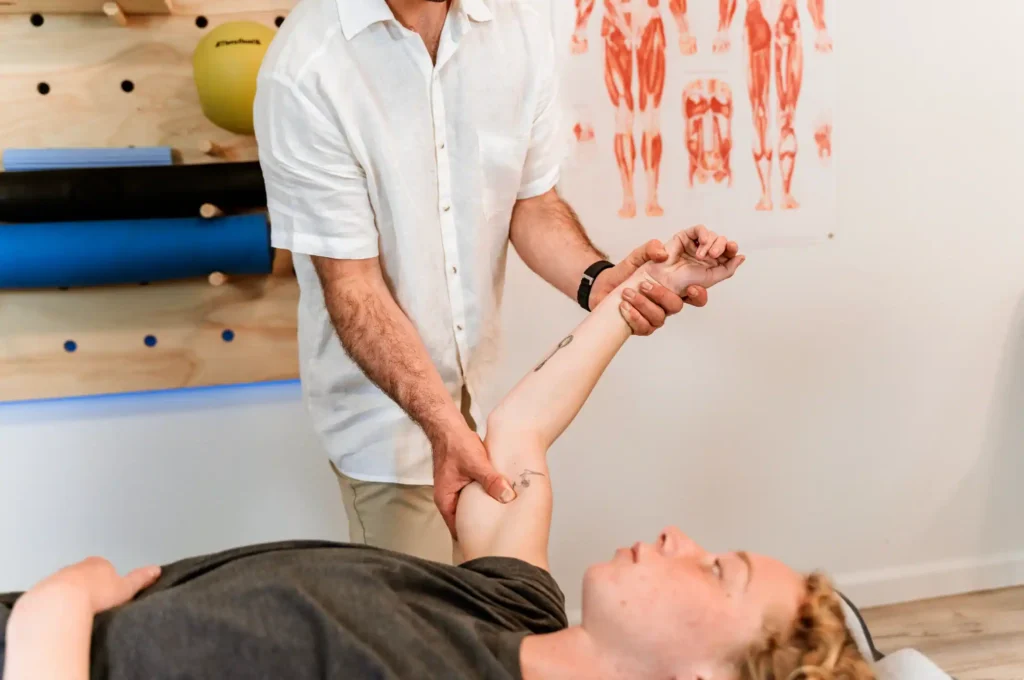
Soft tissue therapy is a manual, hands-on technique aimed at treating the muscles, ligaments, fascia, and tendons. By applying controlled pressure, mobilizing soft tissues, and improving circulation, it helps break down adhesions responsible for pain and stiffness.
The goal is not only to alleviate discomfort but also to correct underlying muscular imbalances. This improves mobility, reduces stress build-up, and enhances overall physical performance. Individuals who integrate soft tissue therapy into their wellness routine often report improved sleep, increased range of motion, and greater ease during physical activities.
Benefits of Soft Tissue Therapy for Muscle Knots
Soft tissue therapy offers numerous benefits, especially for those suffering from persistent tension:

Deep Muscle Tension Release
The therapy works directly on the affected tissues, eliminating tightness and reducing inflammation. This promotes immediate relief and long-term comfort.
Improved Blood Flow and Nutrient Delivery
By stimulating circulation, soft tissue therapy encourages faster healing and reduces soreness after intense workouts or long periods of sitting.
Enhanced Flexibility and Mobility
Releasing knots restores the natural elasticity of muscles, helping you move freely without discomfort.
Reduced Stress and Improved Relaxation
Muscle tension is closely connected to emotional stress. Soft tissue therapy helps calm the nervous system, resulting in reduced anxiety and improved mental clarity.
Support for Injury Prevention
Healthy, pliable muscles are less likely to strain or tear. Regular treatments can help prevent injuries caused by tight or overworked muscles.
The Role of Campbell Chiropractic Care in Muscle Tension Relief
When searching for a comprehensive and holistic approach, campbell chiropractic services stand out for their focus on musculoskeletal alignment. Chiropractic care complements soft tissue therapy perfectly.
Misaligned joints can put excess stress on muscles, causing knots and tension throughout the body. By restoring proper spinal alignment, chiropractic adjustments help reduce this strain, allowing muscles to relax naturally.
Many patients combine both therapies for faster recovery, improved posture, and long-lasting relief from chronic pain patterns.
What to Expect During a Soft Tissue Therapy Session
A typical session begins with a thorough assessment to identify areas of tightness, restricted movement, and muscle imbalance. Your therapist may use various techniques such as:
Trigger point release
Myofascial therapy
Deep tissue pressure
Stretching and mobility exercises
Friction massage
Each technique targets specific layers of soft tissues to release tension and restore muscle function. The experience may include both gentle and firm pressure depending on your needs, but the outcome is a noticeable reduction in stiffness and pain.
Who Can Benefit from Soft Tissue Therapy?
Soft tissue therapy is suitable for individuals dealing with:
Chronic muscle tension
Neck, shoulder, and back stiffness
Postural imbalances
Overuse injuries
Sports-related muscle tightness
Work-related strain from long hours at a desk
Athletes, professionals, students, seniors, and anyone seeking better mobility and pain-free living can benefit from this restorative treatment.
Integrating Soft Tissue Therapy Into Your Wellness Routine
To experience lasting relief, consistency is key. Adding stretching, hydration, ergonomic adjustments, and regular movement enhances the results of soft tissue therapy. You may also consider combining it with chiropractic adjustments, especially if spinal misalignment contributes to your muscle tension.
Regular sessions not only prevent new knots from forming but also improve your overall well-being and performance.
Conclusion
Soft tissue therapy provides a powerful and natural approach to relieving muscle knots, enhancing mobility, and improving your overall quality of life. Combined with supportive care like campbell chiropractic, this therapeutic technique can help restore balance and comfort to your body. For professional, effective, and personalized care, you can rely on thechiropractorr.com.





