

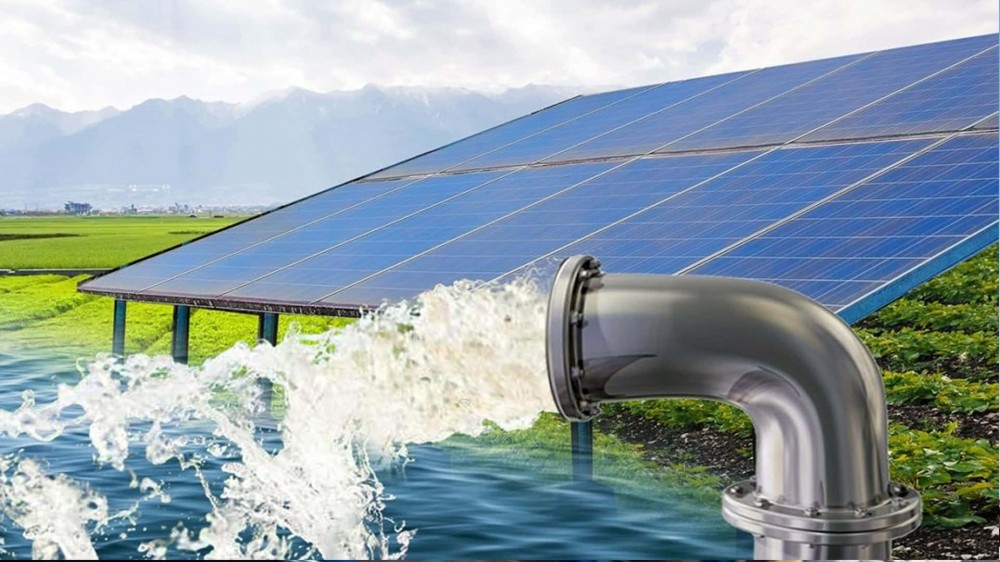
Introduction: When Nature and Technology Join Forces
Imagine this: it’s the middle of Tanzania’s dry season. Water tanks are running low, crops are thirsty, and everyone’s waiting for the rain. But what if the water you collected during the last rainfall could be pumped efficiently—using nothing but sunlight? That’s the brilliant balance between rainwater harvesting and Solar Water Pumping Systems, two sustainable technologies that complement each other perfectly.
In recent years, communities, farms, and businesses across Tanzania have been exploring how to make the most of renewable resources. And these two systems—though different in approach—might just be the perfect match for long-term water security.
Understanding the Basics: Rainwater Harvesting and Solar Pumping
Before we dive into how they work together, let’s break them down individually.

Rainwater harvesting is the process of collecting and storing rain that falls on rooftops, fields, or catchment areas. It’s one of the oldest and simplest ways to conserve water—especially in areas that experience seasonal rainfall.
On the other hand, solar-powered pumping systems use sunlight to power pumps that draw water from wells, tanks, or other storage systems. They’ve become a go-to solution in rural and off-grid areas because they’re clean, cost-effective, and independent of traditional energy grids.
Now, when you put these two together, something pretty amazing happens: rainwater can be stored efficiently, and solar power can move it exactly where it’s needed—without relying on fuel or grid electricity.
The Perfect Partnership: How They Complement Each Other
Think of rainwater harvesting as the storage and solar pumping as the distribution. One captures, the other delivers.
During the rainy season, tanks and cisterns can collect thousands of liters of clean water. Once the dry months arrive, that stored water doesn’t have to sit idle—it can be pumped into irrigation systems, livestock troughs, or household tanks using solar energy.

This approach is especially valuable in regions like Tanzania, where rainfall patterns can be unpredictable but sunlight is almost guaranteed year-round. Essentially, what nature gives in one season (rain), the sun helps distribute in another.
Here’s the thing: this partnership also saves money. No more spending on diesel fuel or worrying about unstable power supply. Once installed, both systems have minimal running costs.
Step-by-Step: How They Work Together in Real Life
-
Collection and Storage: Rainwater is collected from rooftops or catchment surfaces and directed into a storage tank or underground reservoir.
-
Filtration and Treatment: The collected water passes through filters to remove debris and contaminants, making it suitable for irrigation or even household use.
-
Solar Pumping Integration: A solar-powered pump system draws the stored water and distributes it through pipes to where it’s needed—fields, gardens, or livestock stations.
-
Smart Control Systems: Some setups use automatic sensors that manage water levels and pumping schedules based on sunlight and tank capacity.
A good example can be found in Tanzania’s agricultural projects, where schools and small farms use rooftop harvesting systems connected to solar pumps to irrigate crops and maintain sanitation systems throughout the year.
Key Benefits of Combining Both Systems
1. Water Availability All Year Round
Rainwater harvesting helps ensure there’s stored water available, while solar pumping keeps it accessible even during power outages or droughts.
2. Lower Energy and Maintenance Costs
Solar systems require minimal maintenance and zero fuel. Once installed, they drastically cut recurring costs associated with diesel or grid electricity.
3. Environmentally Friendly Solution
No carbon emissions, no fuel dependency—just clean water powered by renewable energy. This helps rural communities transition toward a more sustainable lifestyle.
4. Resilience During Climate Challenges
Tanzania faces shifting weather patterns, including shorter, unpredictable rainy seasons. Having a dual setup ensures flexibility: when rains come, you store water; when they don’t, solar energy still keeps your water flowing.
5. Ideal for Remote and Off-Grid Communities
For villages and farms far from city infrastructure, this system offers complete independence—no reliance on grid electricity or frequent deliveries of fuel.
Challenges to Consider (and How to Overcome Them)
Of course, even a powerful combination like this comes with a few hurdles.
Initial investment costs can be high, especially when installing both systems together. However, many government and NGO programs now offer subsidies or financing options to promote renewable energy adoption.
Maintenance and training are also key. Local technicians must be familiar with both rainwater management and solar technology. The good news? Once trained, they can maintain these systems for decades with little effort.
Lastly, storage capacity must be well planned. In areas with irregular rainfall, oversizing tanks ensures enough supply to last through dry months.
Real Examples: How Tanzania Is Leading the Way
Several regions across Tanzania are already seeing the benefits of integrating these systems. In the Dodoma and Arusha areas, farmers have installed rooftop collection systems connected to solar-powered pumps that irrigate maize and vegetable crops.
Schools and health centers have followed suit—using rainwater for sanitation and solar pumps to distribute it to wash stations. It’s not just about water access—it’s about self-reliance, sustainability, and smarter energy use.
Conclusion: Building a Sustainable Water Future Together
When you think about it, rain and sun are nature’s most abundant gifts. Combining them through Solar Water Pumping Systems and rainwater harvesting isn’t just smart—it’s the blueprint for sustainable water management in Tanzania.
With companies like Tamgo Tanzania Limited leading the charge in reliable solar technology and support, it’s easier than ever to create systems that conserve water, save money, and protect the environment.
So yes—rainwater harvesting and solar pumping don’t just work together; they thrive together. The future of water in Tanzania looks bright—and powered by the sun.
Also Read : Innovations in Diesel Generator Technology for Tanzania’s Market
FAQs
1. Can rainwater harvesting be used for drinking?
Yes, with proper filtration and treatment, harvested rainwater can be made safe for drinking.
2. Are solar pumps expensive to maintain?
Not at all. Once installed, solar pumps require minimal maintenance and have long lifespans.
3. What happens during cloudy days?
Most solar systems can store energy or use hybrid setups to ensure continuous operation even when sunlight is limited.
4. Is it worth combining both systems?
Absolutely. Together, they offer water security, cost savings, and eco-friendly benefits—especially in areas with seasonal rainfall.





