
Introduction
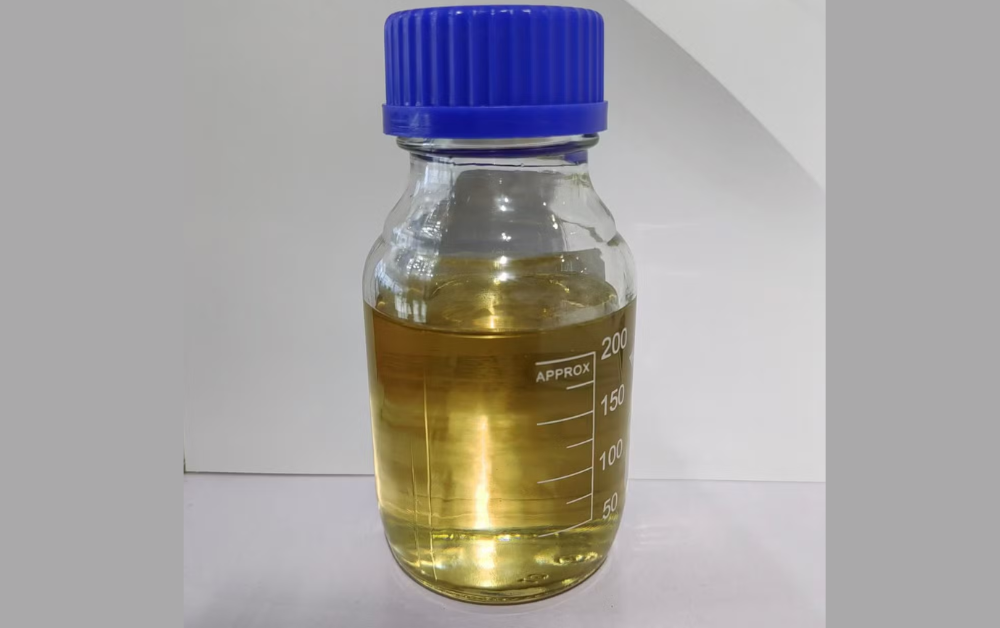
The year 2025 is shaping up to be an exciting one for material science — and polyester polyol is taking center stage. Known as a key ingredient in polyurethane systems, this compound is quietly transforming industries such as construction, automotive, and manufacturing. Today’s innovators are pushing the limits of chemistry to make polyester polyols more sustainable, efficient, and versatile than ever before.
From greener feedstocks to smarter production processes, the latest developments are paving the way for a future where high performance meets environmental responsibility. Let’s take a closer look at the polyester polyol innovations you’ll want to watch this year.
The Move Toward Bio-Based Chemistry
Redefining Raw Materials
One of the biggest trends in 2025 is the shift toward bio-based polyester polyols. Traditionally derived from petroleum, modern formulations are now made from renewable sources such as vegetable oils, plant sugars, and recycled materials. This evolution represents more than just a sustainability trend — it’s a long-term solution to reduce carbon footprints and dependence on fossil fuels.

Manufacturers are investing in advanced chemical synthesis methods to ensure these bio-based alternatives maintain the same durability, mechanical performance, and stability as their petroleum-based counterparts.
Circular Manufacturing Systems
Sustainability is also driving a new wave of circular economy practices. Instead of discarding production waste, many companies are converting byproducts into new polyester polyols. This approach helps minimize resource consumption and aligns with global sustainability goals. The result is a cleaner, more responsible manufacturing cycle that delivers superior-quality materials.
Smarter Manufacturing Processes
Embracing Industry 4.0
The digital revolution is changing the way polyester polyols are produced. Advanced factories now use smart sensors, AI-powered monitoring, and automated controls to improve efficiency and maintain consistency. These innovations lead to reduced energy consumption, precise chemical control, and higher-quality output — essential factors in industries that rely on polyurethane systems for performance and safety.
Reducing Costs and Waste
Modern reactor designs and optimized reaction kinetics are helping manufacturers produce more material with less energy. By improving yield and reducing waste, companies are not only lowering production costs but also contributing to cleaner, greener operations. This efficiency ensures that high-performance polyester polyols remain affordable and widely accessible.
Expanding Industrial Applications
Automotive and Electric Vehicles
In 2025, polyester polyol innovation is playing a crucial role in the automotive and EV industries. Lightweight and durable materials are essential for improving fuel efficiency and extending battery range. Polyester polyols are now being formulated to enhance insulation, vibration resistance, and structural strength in electric vehicles. These properties make cars safer, lighter, and more energy-efficient, marking a significant advancement in sustainable mobility.
Building and Construction

The construction industry is also embracing these innovations. Modern polyester polyols are being used in high-performance coatings, sealants, and insulation foams that offer exceptional thermal stability and weather resistance. Builders and architects are turning to these materials to create energy-efficient, long-lasting structures that meet international green building standards. From roofing systems to wall panels, polyester polyol is redefining how durable construction materials are made.
Tailored Chemistry for Enhanced Performance
Custom-Engineered Formulations
Customization has become the hallmark of modern material science. Manufacturers are now engineering polyester polyols to achieve targeted properties such as increased hydrolytic stability, improved adhesion, or lower viscosity for easier processing. This flexibility allows industries to choose exactly the right material for their applications — whether it’s flexible foam, rigid insulation, or heavy-duty coating systems.
Blended and Hybrid Systems
Recent developments include the creation of hybrid polyol systems, where polyester polyols are blended with other polymers for enhanced performance. These hybrids deliver better heat resistance, superior chemical stability, and longer lifespans, making them ideal for demanding environments. By merging different polymer technologies, researchers are unlocking entirely new possibilities for industrial and commercial products.
Sustainability and Regulatory Compliance
Meeting Environmental Standards
With environmental regulations becoming stricter across the globe, industries are under pressure to deliver sustainable products. Polyester polyol manufacturers are stepping up with low-VOC, recyclable, and energy-efficient alternatives that comply with evolving global standards. These eco-friendly formulations help companies stay ahead of regulations while meeting consumer expectations for greener solutions.
Driving Brand Value Through Responsibility
Businesses that adopt sustainable polyester polyol solutions early are gaining a clear competitive advantage. By reducing environmental impact and showcasing innovation, these companies strengthen their brand image and appeal to environmentally conscious clients and partners. Sustainability isn’t just a responsibility anymore — it’s a key driver of business growth and long-term trust.
The Road Ahead
Polyester polyol innovations are reshaping the foundation of modern materials. As the demand for performance, sustainability, and efficiency grows, 2025 will be remembered as a turning point for this essential compound. From smarter production techniques to greener chemistry, polyester polyols are setting new standards for industrial excellence.
Conclusion
The rise of advanced polyester polyol technologies marks a new era in material innovation. These next-generation formulations not only enhance durability and performance but also support a cleaner, more sustainable future.
For industries seeking reliable, high-quality solutions, IP Harwal Polymer remains a trusted partner in delivering advanced polyester polyol formulations that meet the needs of modern manufacturing. Their ongoing commitment to innovation and sustainability continues to lead the way in shaping a smarter, greener tomorrow.





