

Introduction
Imagine running a large industrial facility, and suddenly, the main power grid fails. Production halts, servers shut down, and chaos threatens to take over. Now picture having a 2500 kVA Diesel Generator Set on standby, ready to take over seamlessly. That’s the kind of peace of mind high-capacity generators provide — they aren’t just machines; they’re insurance against downtime.
A generator of this scale isn’t something you pick lightly. It requires careful planning, technical understanding, and consideration of your operational needs. Let’s explore what makes these giant powerhouses essential, how they function, and why selecting the right one matters more than you might think.
What Makes a 2500 kVA Diesel Generator Set Special?
First, let’s break down what “2500 kVA” actually means. KVA stands for kilovolt-amps, a unit of apparent power in electrical systems. A 2500 kVA generator can supply 2,500,000 volt-amps of power, enough to support massive industrial setups, hospitals, or data centers.

Unlike smaller generators, these high-capacity units are designed for heavy-duty, continuous, or emergency operations. They’re engineered to run efficiently under substantial load, balancing power output with fuel consumption and mechanical reliability.
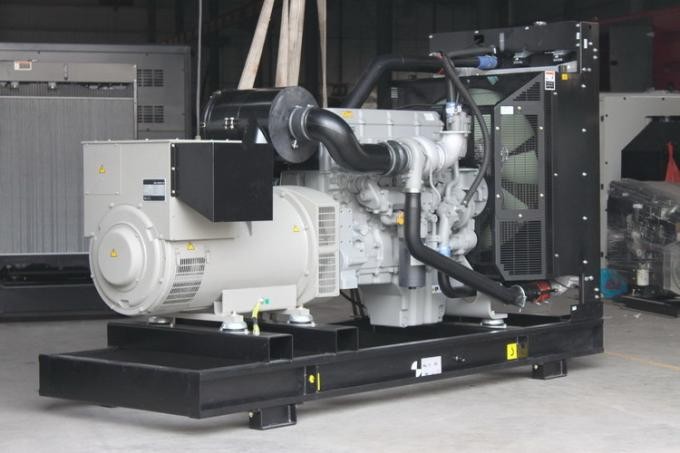
The diesel engine powering it is robust, designed to withstand long hours of operation, while the alternator ensures stable voltage and frequency. In short, it’s a coordinated system where every component has to perform perfectly.
Key Features to Consider
When investing in a generator of this magnitude, there are several features that set the high-quality units apart:
1. Engine Quality
Look for engines from reputable manufacturers with proven reliability. Fuel efficiency, low emissions, and long service intervals are critical for minimizing operational costs.
2. Automatic Transfer Switch (ATS)
This feature allows the generator to start automatically during power outages and return to standby mode once grid power resumes. It’s particularly important for facilities that can’t tolerate downtime.

3. Control Panels
Advanced digital control panels monitor voltage, frequency, and load. They provide diagnostics, alarms, and data logging, helping you prevent failures before they happen.

4. Cooling Systems
High-capacity generators produce a lot of heat. Efficient cooling systems — whether air, water, or hybrid — ensure continuous operation without overheating.
5. Fuel Capacity and Efficiency
A 2500 kVA generator consumes a significant amount of diesel, so balancing fuel storage with consumption rate is vital for extended operation.
Applications of a 2500 kVA Generator
You might wonder, who really needs a generator this powerful? The answer spans multiple sectors:
-
Industrial Plants: Steel mills, chemical plants, and large factories need constant, high-powered energy for machinery.
-
Hospitals and Healthcare: Life-saving equipment cannot risk power interruptions.
-
Data Centers: Servers and networking gear require uninterrupted electricity.
-
Commercial Complexes: Large shopping malls and office towers depend on backup power for safety and customer service.
Essentially, any operation that cannot afford downtime or voltage fluctuations benefits from this scale of generator.
Common Mistakes to Avoid
Even seasoned buyers sometimes make errors that can cost time and money:
1. Undersizing Your Generator
Choosing a generator that doesn’t meet your peak demand can lead to overload, reduced lifespan, and operational inefficiency.
2. Ignoring Maintenance Requirements
A high-capacity generator requires regular servicing — oil changes, filter replacements, and inspection of moving parts. Neglecting maintenance increases the risk of failure.
3. Overlooking Site Conditions
Ambient temperature, ventilation, and available space affect performance. Ensure your generator’s installation area is suitable for long-term operation.
4. Skipping Professional Consultation
Experts can help assess load requirements, suggest fuel storage solutions, and advise on safety measures. Their input is invaluable for high-capacity setups.
Modern Innovations in Diesel Generators
Technology is reshaping how high-capacity generators operate:
-
Remote Monitoring: Track generator performance in real-time via apps or software.
-
Eco-friendly Engines: Reduced emissions and improved fuel efficiency align with sustainability goals.
-
Integrated Safety Systems: Automatically detect overheating, low oil pressure, or voltage anomalies.
These upgrades not only make generators safer but also help businesses save costs while improving reliability.
Also check it out : Diesel Generators from Qatari Manufacturers vs. Imported Diesel Generators: Which Is More Reliable?
How to Choose the Right 2500 kVA Diesel Generator Set
-
Assess Your Load Requirements: Calculate peak and continuous loads to ensure the generator can handle them comfortably.
-
Determine Operation Type: Will it serve as an emergency backup or run continuously? This affects engine and cooling choices.
-
Review Brand Reputation: Reliable manufacturers and suppliers provide better warranties and after-sales support.
-
Plan for Maintenance and Fuel: Ensure you have the infrastructure for regular servicing and adequate fuel storage.
With careful planning, your investment will pay off through uninterrupted operations and reduced downtime.
Conclusion
A 2500 kVA Diesel Generator Set is more than just a power machine — it’s a backbone for industrial resilience, commercial reliability, and emergency preparedness. Choosing the right model ensures efficiency, safety, and peace of mind when every second of uptime matters.
For businesses seeking robust, dependable solutions, Laurus Technologies LLC provides expertly engineered generators and support services that help you get the most out of your investment. When it comes to high-capacity power, having the right generator isn’t a luxury; it’s a necessity.
FAQs
1. What is the difference between kVA and kW in generators?
kVA measures apparent power, while kW measures real power. The difference accounts for the power factor in your electrical system.
2. How long can a 2500 kVA generator run continuously?
With proper fuel supply and maintenance, it can run for extended periods, often 8–24 hours or more, depending on load and cooling systems.
3. Do I need a special license to operate a generator this size?
Regulations vary by region, but typically large industrial generators require certified operators for safety and compliance.
4. What maintenance schedule should I follow?
Monthly inspections, oil and filter changes every 250–500 hours of operation, and annual comprehensive servicing are recommended.
5. Can this generator handle a facility expansion?
Yes, but ensure the new load doesn’t exceed the generator’s rated capacity. Consult with a professional before upgrading or expanding systems.





