

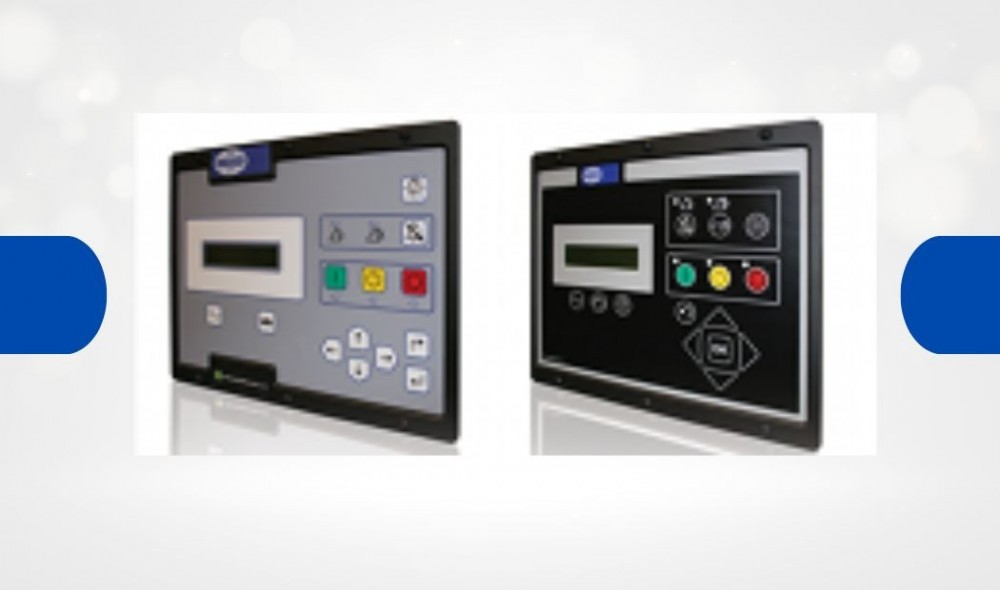
Here’s the thing—control panels are everywhere, quietly keeping factories, offices, and energy systems running smoothly. But finding a reliable control panel manufacturer in Kenya isn’t always simple. From sourcing the right parts to hiring skilled technicians, manufacturers face hurdles that can affect cost, quality, and delivery. If you’re curious about what goes on behind the scenes, here’s a closer look at Kenya’s control panel industry and the challenges shaping it today.
Why Kenya’s Control Panel Industry Faces Unique Challenges
The demand for control panels in Kenya is growing as more businesses, industries, and energy projects take off. Yet, the sector struggles with challenges that are specific to local conditions. Unlike markets with abundant resources, Kenyan manufacturers must contend with import delays, rising costs, and a limited pool of skilled labor. These challenges can influence not just production timelines but also the reliability of the final product.
Key Obstacles for Manufacturers in Kenya
Let’s break down the major issues that affect control panel production and, ultimately, your experience as a customer or business partner.

Supply Chain Bottlenecks: Delays and Costs
Many critical components for control panels—like circuit breakers, relays, and PLCs—are imported. Shipping delays, port congestion, and fluctuating exchange rates often slow production.
For you, this could mean longer lead times or higher costs. Manufacturers try to stay ahead by keeping larger inventories, but that ties up capital and storage space. The takeaway? Even small disruptions in the supply chain ripple through production and delivery.
Skilled Labor Shortages Affecting Quality
Control panel assembly and design aren’t tasks for just anyone. You need engineers who understand electrical schematics, safety standards, and troubleshooting.
Kenya faces a shortage of experienced technicians, which can slow production or compromise quality. A small wiring error can have major consequences for system performance. Businesses often end up investing more time in vetting suppliers or paying premiums for experienced staff.
Navigating Regulations and Safety Standards
Regulations for electrical equipment in Kenya are stricter than they might seem. Control panels must meet national safety standards, environmental rules, and sometimes international certifications—especially if intended for export.

Manufacturers must dedicate resources to testing, documentation, and compliance. For businesses, partnering with compliant suppliers ensures safety, reduces risk, and keeps operations running smoothly.
Rising Production Costs and Material Prices
Materials, energy, and labor costs have steadily increased. Metal enclosures, electronics, and even routine manufacturing processes all contribute to rising production expenses.
For manufacturers, this pressure can narrow profit margins. For businesses, it might show up as higher quotes or fewer off-the-shelf options. Still, companies that invest in efficiency and innovation often deliver panels that are more reliable and cost-effective over time.
Adopting Modern Technology in Control Panels
Automation, IoT integration, and smart monitoring aren’t optional anymore—they’re expected. Kenyan manufacturers who fail to keep up risk producing outdated systems that don’t integrate well with modern infrastructure.
On the flip side, companies adopting these technologies provide real benefits: remote monitoring, predictive maintenance, and improved energy management. This isn’t just a fancy upgrade—it’s future-proofing your operations.
Quality Control: Ensuring Reliability Every Step
Even after sourcing parts, hiring skilled labor, and adopting new technologies, quality control remains a non-negotiable part of production. Each panel needs careful inspection and testing to meet design and safety specifications.
For you, this means peace of mind. Partnering with a manufacturer who prioritizes quality ensures panels work reliably, minimizing downtime and potential hazards.
Also Read this : 5 Myths About a Control Panel Manufacturer in Kenya [Debunked]
Understanding Production Issues in Kenya’s Electrical Sector
Taken together, these challenges show why the control panel sector in Kenya isn’t straightforward. Supply chain delays, labor shortages, rising costs, and technological pressures intersect in complex ways.
As a business looking for reliable systems, it’s worth considering a manufacturer who navigates these challenges well, ensuring consistent delivery and quality. That attention to detail ultimately affects efficiency, safety, and long-term savings.
Conclusion
Kenya’s control panel industry is vibrant but full of hurdles. Supply chain bottlenecks, labor shortages, regulatory requirements, rising costs, and technological pressures all influence how manufacturers operate—and what you receive.
For businesses seeking reliable solutions, working with a trusted control panel manufacturer in Kenya is crucial. Companies like Blackwood Hodge Kenya Ltd have built strong reputations for overcoming these challenges efficiently. By choosing the right partner, you’re not just buying a panel—you’re investing in reliability, safety, and peace of mind. Explore suppliers who don’t just survive the challenges but master them, and you’ll see the difference in your operations.
FAQs
Q: Why are control panels expensive in Kenya?
A: Costs reflect imported materials, energy, skilled labor, and compliance with safety standards. Efficient manufacturers balance these factors to offer long-term value.
Q: How can I ensure my control panel is safe and reliable?
A: Work with certified manufacturers, request testing documentation, and confirm compliance with local and international standards.
Q: Are there local alternatives to imported components?
A: Some components can be sourced locally, but high-tech parts are mostly imported. Partnering with an experienced supplier helps mitigate delays.





