

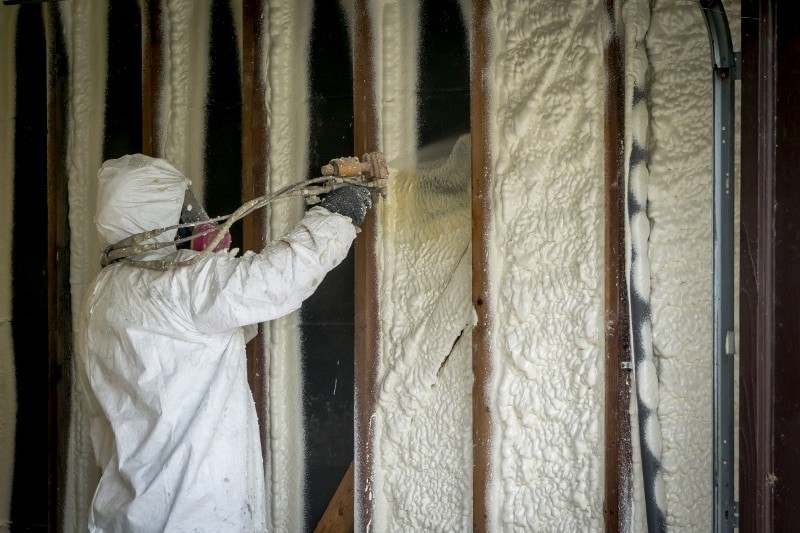
A spray foam air seal almost always increases a home's resale value. By creating a nearly airtight barrier, it drastically improves energy efficiency, which translates directly to lower utility bills, a powerful selling point for modern buyers. Beyond savings, it enhances structural stability and indoor air quality, making the home more comfortable, healthier, and durable. These combined benefits make a property more attractive on the market, often allowing sellers to command a higher price.
This article breaks down exactly how this upgrade affects what a buyer is willing to pay. The information here is drawn from the collective experience of an expert spray foam insulation professional who sees the real-world financial outcomes for homeowners. This post explores the direct benefits, the expected return on investment, and what to consider before committing to the project.
How an Air Seal Directly Boosts Home Value
The value added by spray foam isn't just a single number; it comes from several distinct improvements that buyers notice and appreciate. These upgrades signal a well-maintained and forward-thinking property.

Lower Energy Bills and Greater Comfort
The most immediate and marketable benefit is energy efficiency. A home with a proper air seal can reduce heating and cooling costs by up to 40%. When potential buyers see documented proof of low energy bills, it becomes a tangible financial incentive. This is especially true as energy costs continue to rise. Appraisers are also beginning to factor in energy efficiency ratings, which can directly influence a home's official valuation. A comfortable home with no drafts and consistent temperatures is also just a more pleasant place to live, a qualitative factor that strongly influences a buyer's decision.
Improved Structural Health
When closed-cell spray foam is used, it does more than just insulate. It cures into a rigid, dense material that adheres to the structure, adding significant racking strength to walls and roof assemblies. This reinforcement can be a selling point in areas prone to high winds or heavy snowfall. Furthermore, spray foam acts as a moisture barrier, preventing water vapor from seeping into the building materials. This protection against moisture damage, rot, and mold growth preserves the long-term health of the home, preventing issues that could otherwise lower its value.
Healthier Indoor Environment
An effective air seal prevents unfiltered outside air from entering the home. This means fewer allergens, pollutants, and dust particles circulating indoors. For families, especially those with children or individuals with respiratory issues, improved indoor air quality is a major draw. Sealing off common entry points for pests also adds another layer of protection and peace of mind for a future owner.

Tangible Returns Homeowners Can Expect
While the upfront cost of spray foam is higher than traditional materials like fiberglass or cellulose, the long-term financial picture is often more favorable. The return on investment comes from both energy savings over time and the increased sale price.
Market studies consistently show that homes with "green" features sell for more than their conventional counterparts. While the exact premium varies by region, an energy-efficient home can see a value increase of several percentage points. This often allows homeowners to recoup a significant portion, if not all, of their initial investment when they sell. To understand the key differences that drive these returns, it helps to compare spray foam with a common traditional material.

|
Feature |
Closed-Cell Spray Foam |
Fiberglass Batts |
|---|---|---|
|
Initial Cost |
Higher |
Lower |
|
Typical Energy Savings |
30-50% |
20-30% |
|
Air Sealing Ability |
Excellent (creates a true seal) |
Poor (allows air movement) |
|
Moisture Barrier |
Yes (acts as a vapor retarder) |
No (can hold moisture) |
|
Lifespan |
Lasts the life of the home |
15-25 years before degrading |
|
Structural Addition |
Yes (adds rigidity) |
No |
Homeowners can further strengthen their negotiating position by getting a professional energy audit before and after the insulation is installed. The resulting report provides official documentation of the energy performance improvements, which can be a powerful tool when speaking with buyers.
Things to Consider Before Making a Decision
Not every home or situation is the same. Before moving forward with a spray foam air seal, homeowners should think about a few key factors to ensure they get the best results.
Climate and Regional Needs
The type of spray foam chosen should match the local climate.
- Cold Climates: In colder regions, closed-cell spray foam is often preferred for its high R-value per inch and its ability to act as a vapor barrier, which prevents condensation issues within walls during winter.
- Humid Climates: In hot, humid areas, preventing moisture intrusion is critical. Closed-cell foam's moisture resistance helps stop the growth of mold and mildew, which is a common problem in these environments. Open-cell foam can also be used but may require a separate vapor barrier.
The Importance of Professional Installation
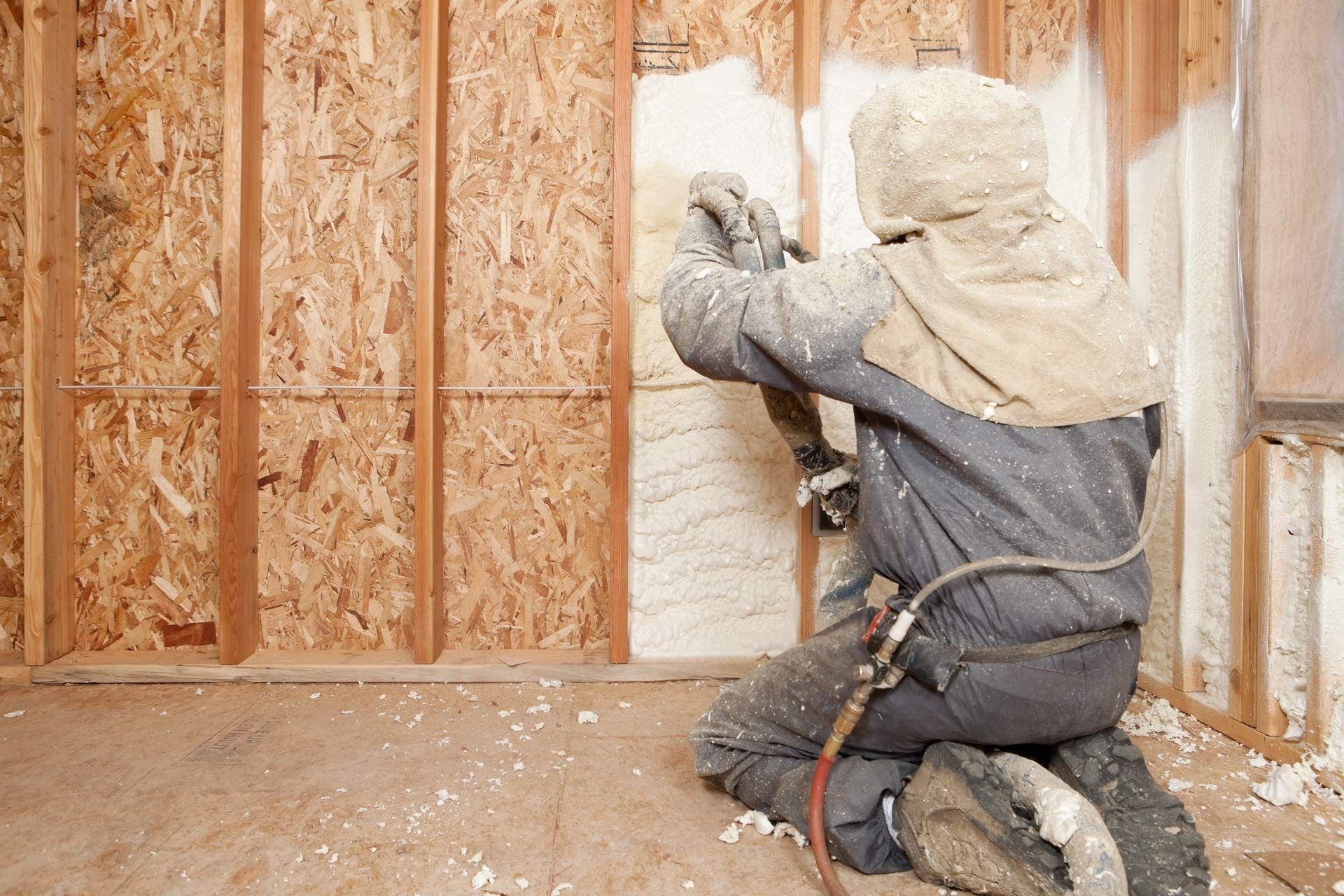
The performance of a spray foam air seal depends entirely on the quality of the installation. If not applied correctly, it can result in gaps, poor adhesion, or improper curing, which negates the benefits. It's important to work with an experienced air sealing and insulation contractor who understands building science and follows strict safety protocols. A poorly installed system can become a liability rather than an asset.
The Condition of the Home
The impact of an air seal is most dramatic in older, draftier homes. A 100-year-old house will see a much bigger jump in efficiency and value compared to a 5-year-old house built to modern energy codes. Homeowners should assess their property's current state to determine if an air seal is the most sensible upgrade. It is also wise to check for state and federal tax credits or local utility rebates for energy-efficient upgrades, as these incentives can significantly reduce the net cost of the project.
Questions People Ask About Spray Foam and Home Value
How do I prove the value of spray foam to a buyer?
Keep all documentation from the installation, including the contract, product specifications, and warranty. If you had an energy audit done, share the "before and after" reports. Highlighting the low monthly utility bills in the property listing is also very effective.
Is spray foam a deterrent for any buyers?
Rarely. The main concern some buyers might have is related to off-gassing. However, when installed by a certified professional, modern spray foam cures fully within 24 hours and becomes an inert, stable material with no lasting odors or chemical emissions.
What is the typical lifespan of spray foam insulation?
Spray polyurethane foam is a very durable material. It doesn't sag, settle, or degrade over time like other insulation types. It is expected to last for the entire life of the building.
Can spray foam damage my home's wiring?
This is a myth associated with outdated foam formulas. Modern, professionally installed spray foam is chemically compatible with electrical wiring, PEX plumbing, and other building materials. A qualified installer knows how to work around these systems safely.
Does the type of foam affect resale value differently?
Yes, potentially. Closed-cell foam offers structural reinforcement and a built-in moisture barrier, which can add more value, especially in climates with extreme weather or high humidity. Open-cell foam is excellent for sound dampening and still provides a great air seal, making it a good choice for interior walls or in dry climates.
Is a Spray Foam Air Seal a Smart Investment?
For most homeowners, investing in a professional spray foam air seal is a smart financial move. It delivers immediate benefits in energy savings and comfort while also making the property more appealing and valuable at the time of sale. By creating a healthier, more durable, and less expensive home to operate, it addresses the key priorities of today's homebuyers. The decision ultimately comes down to a homeowner's specific goals, budget, and the current condition of their property.
Getting Expert Advice for Your Home
Evaluating whether spray foam is right for a specific property requires a professional eye. An experienced insulation contractor can assess a home's unique structure, climate challenges, and ventilation needs to recommend the best course of action. For homeowners looking for a detailed assessment, professional contractors like All Foam & Insulation, LLC offer consultations. They can provide specific recommendations based on a home's unique needs. Interested parties can reach out to them via email at joe@allphasewx.com or by phone at (541) 826-9600 to discuss their project.
This article was reviewed for technical accuracy by Ava Clark, an industry expert with 6 years of experience working with spray foam insulation teams. Her input helped shape key sections related to homeowner communication and project considerations.





