

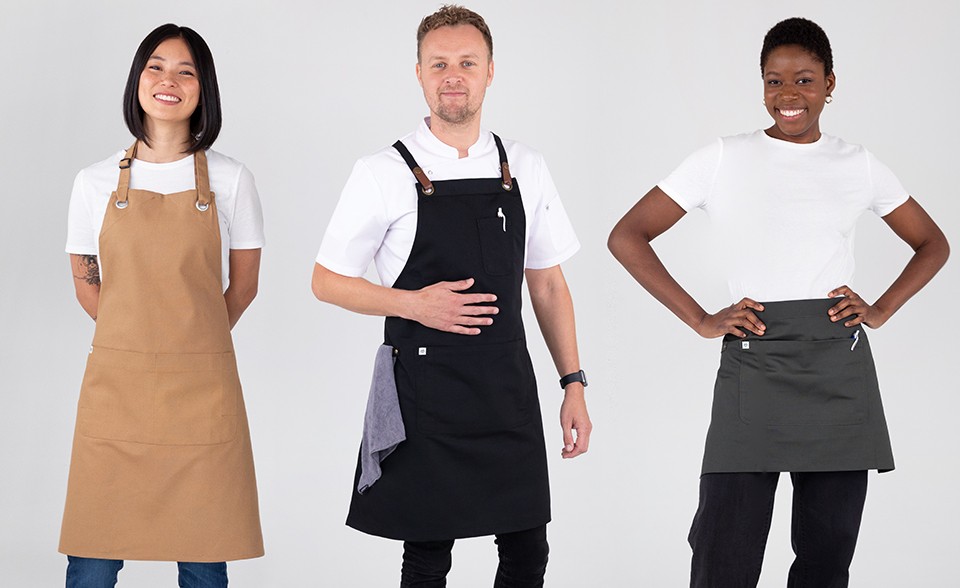
In the fast‑paced, high‑stakes environment of professional kitchens, cafés, bars, and restaurants, aprons are more than just pieces of cloth. They serve as an essential tool, combining hygiene, safety, branding, and functionality into one garment. The difference between a kitchen that runs smoothly and one that faces regulatory fines, unhappy customers, or high employee turnover often boils down to the little details — and aprons are among those details.
Aussie Chef, a brand with over 35 years of expertise in chefwear, uniforms, and aprons, understands this well. With its wide selection of apron styles, materials, and features, Aussie Chef demonstrates how a well‑designed apron can make a big difference. This article examines why aprons matter so much in the food industry, what makes a great apron, and how Aussie Chef’s apron range delivers value in every sense.
1. Hygiene & Food Safety
1.1 Barrier Against Contamination
One of the primary functions of an apron is to act as a protective barrier. In food preparation, cross‑contamination is a major risk: microbes, food particles, grease, and dirt from an individual’s clothes or surroundings can easily transfer onto food. Aprons help prevent this. Clean, dedicated work aprons ensure that what touches the food is safe, not something the cook donned when leaving home or ran errands in.

Regulations in many countries require food handlers to wear protective clothing—including aprons—precisely because of this. Whether it’s changing gloves, wearing hairnets, or using aprons, each layer of protection reduces the chance of foodborne illness.
1.2 Ease of Cleaning & Sanitation
Aprons must be cleaned frequently. The material matters: stain‑resistance, ability to tolerate high‑temperature washes, resistance to bleach (where allowed), and fast drying are all important. Aussie Chef pays attention to these needs. Their chef aprons, for example, are made in fabrics such as fade‑resistant poly/cotton or poly/viscose, and 100% cotton drill.
The detailed care instructions that come with many of their aprons help users maintain hygiene. Reinforced stitching and durable materials also help the apron survive many wash cycles without losing shape, colour, or function.
1.3 Regulatory Compliance
Food safety laws and standards in many jurisdictions mandate protective garments. Inspections often look for visible signs: are staff wearing clean aprons? Are aprons being washed or replaced when soiled? Failure to comply can mean fines, reputational damage, or worse. Hence, using high‑quality aprons that endure heavy use, clean well, and maintain integrity is not just good practice—it’s necessary for legal compliance.
2. Protection & Safety for Staff
2.1 Protection from Heat, Spills, and Splashes
Kitchens are hazardous places: boiling liquids, hot oil, steam, sharp utensils, and heavy cookware are everyday realities. Aprons help shield the wearer from burns, splashes of grease, and accidental spills. Materials like thicker cotton, leather, or coated fabrics offer more protection: leather in particular is valued for its heat resistance. Aussie Chef’s leather aprons (e.g. AXIL, RILEY) illustrate this point: they are made from soft cow leather, feature metal eyelets and buckles, and become more beautiful over time.

2.2 Comfort and Fit to Prevent Strain
An apron that is badly fitted or poorly designed can add to physical fatigue. Think neck straps that pull, waist ties that dig in, or long straps that get caught. Design features such as cross‑back straps, adjustable neck and waist ties, well‑placed pockets, and balanced weight distribution are crucial. Aussie Chef offers many aprons with cross‑back styles, removable / adjustable straps, and reinforcement at pressure points (neck loops, waist ties).
A well‑designed apron allows staff to move, bend, reach, carry, without feeling hindered. This not only improves comfort but helps maintain safety: less chance of catching loose fabric on knobs, handles, etc., or slipping when needed.
3. Professionalism, Branding & Customer Confidence
3.1 Visual Consistency & Brand Image
Uniforms are part of the restaurant’s brand. Clean, well‑fitting aprons send a message: hygiene, attention to detail, professionalism. Whether a casual café or a high‑end restaurant, appearance matters. Customer perception of cleanliness can influence decisions, reviews, and repeat visits.
Aussie Chef offers a broad range of aprons in many styles, colours, and fabrics so that businesses can match their visual identity. From chef stripes to denim or leather styles, there are options to suit different themes and aesthetics.
3.2 Personalisation & Branding
Many businesses add logos or staff names to aprons for flair and identity. Aussie Chef supports personalisation / branding. Having aprons that can be embroidered or printed on helps in reinforcing brand in customers’ minds. It also fosters pride among staff. When employees feel they are part of something professional and cared for, it shows.
4. Functionality & Practicality
4.1 Style Types & Use Case Matching
Not all aprons are equal; different tasks require different styles. Some aprons are bib style (cover from chest down), others waist/half‑aprons (just from waist down). A front‑of‑house server’s needs differ from a cook’s. Some need pockets (for pens, thermometers, order pads), some need long length (for protection from splashes), others shorter (for mobility). Aussie Chef’s product range illustrates this diversity: they have bib aprons, waist aprons, leather styles, denim, poly blends etc.
4.2 Material and Construction
Material choice affects performance: durability, washability, resistance to stains, heat, fading. Key construction features include double stitching, bar tacking at pressure points, reinforced eyelets, quality fastenings, detachable / adjustable straps. Aussie Chef’s apron descriptions often mention “reinforced double stitching”, “bar tacking on pressure points”, “metal rivets and hardware” etc.
Materials used include:
-
Cotton: breathable, comfortable, easy to wash; natural feel.
-
Poly/cotton or poly/viscose blends: more fade‑resistant, quicker dry, can resist shrinkage.
-
Leather: premium, durable, heat resistant.
-
Denim / denim styles: rugged, stylish, durable.
Aussie Chef gives options in all these categories.
4.3 Maintenance & Lifecycle Considerations
An apron’s usefulness depends heavily on how well it is maintained. If it becomes frayed, stained beyond clean, or loses protective features, it’s not just ugly—it can be unsafe or unhygienic. Regular inspection, replacing worn aprons, proper laundering (right temperature, detergents, avoiding damaging the fabric) are all part of best practice.
Aussie Chef facilitates this by providing care instructions and by using durable fabrics & construction so that their aprons last longer under heavy use.
5. Cost‑Effectiveness & Operational Efficiency
5.1 Long‑Term Savings
While investing in higher‑quality aprons (better materials, reinforced stitching, premium features) costs more upfront, the life span is longer. Cheaper aprons may degrade fast, lose shape, lose protective features, and need replacement often. Over time, the premium aprons pay for themselves.
5.2 Staff Morale & Productivity
Wearing aprons that fit well, are comfortable, and look good contributes to employee satisfaction. If staff are uncomfortable (itchy, heavy, poorly fitted), that drags on productivity, increases risk of mistakes, or creates lower morale. Comfortable aprons facilitate efficiency: pockets handy, straps adjustable, less need to adjust or manage uniform during hectic service.
5.3 Reduced Waste & Better Resource Use
Durability means less frequent replacement; easier cleaning means less damage during laundering; better design means fewer lost or damaged parts (buttons, buckles). All that reduces waste. Also, having a standard good apron stock helps in inventory control for businesses.
6. Choosing the Right Apron: What to Look for
When selecting aprons for a food service business, decision makers should keep in mind:
-
Coverage needed (bib vs waist) depending on role.
-
Length & width so that the wearer is adequately protected without restricting movement.
-
Strap type: neck strap adjustable vs cross‑back for weight distribution; waist ties that are durable and easy to fasten.
-
Fabric: natural vs synthetic blends; breathable; stain / fade / shrink resistant; possibly water/splash resistant or heat resistant if needed.
-
Construction quality: reinforced stitching, bar tacks at stress points (pockets, straps), good quality fasteners/hardware.
-
Pockets & utility: location and size of pockets; extra features like tool loops or pockets for mobile/thermometers.
-
Branding / colours: matching restaurant theme; possibly colour‑coding (e.g. different colours for different stations) to avoid cross‑contamination or to identify roles (prep vs service).
-
Ease of maintenance: whether it tolerates industrial washing; how easily stains wash out; how fabric behaves after multiple cycles.
-
Ergonomics & comfort: strap design, weight, breathability.
Aussie Chef’s apron range meets many of these criteria, offering styles and good detailing. For example, their Outback Bib Apron in enzyme washed denim with cross‑back straps and multiple pockets; or the Bella Bib Apron with poly/cotton fabrics, double stitching, and generous pockets.
7. Aussie Chef: Examples of Excellence
To bring together the above features, here are some specific examples of how Aussie Chef models underscore the importance of good apron design and how they deliver on them.
7.1 Outback Bib Apron
The Outback Bib Apron (e.g. Ochre colour) is crafted from enzyme‑washed 100% cotton denim. It features metal buckle cross‑back ties for better shoulder comfort, multiple pockets, reinforced eyelets, durable construction and twin stitching. This style offers both protection and style, ideal for heavy kitchen work where durability matters.
7.2 Bella Bib Apron (Blue / Charcoal)
The Bella line is lighter weight (poly/cotton blend or cotton) with generous pockets, removable or cross‑back straps, reinforced stitching, eyelets, and hardware. It’s a good example of a more versatile, front‑of‑house meets kitchen style that balances aesthetics with function.
7.3 Leather Aprons (AXIL, RILEY)
Leather models like AXIL Select Leather Apron or RILEY Leather Apron are premium pieces. They are heat resistant, durable, and become more beautiful over time. Their construction involves industrial stitching, sturdy hardware, and materials that can endure heavy use. Leather aprons might cost more, but when used in suitable roles (e.g. BBQ stations, baristas, open flame grills, or where style is important), their protective and aesthetic returns are quite high.
8. Common Challenges & Best Practices
Even with great aprons, there are potential pitfalls. These are important to recognize so that businesses get full benefit.
8.1 Wear & Tear, Replacement Cycle
Heavy usage leads to fraying, fading, loose hardware, worn straps. Even premium aprons will degrade. Businesses must plan for regular inspection, replacement of worn pieces. Keeping spares helps avoid downtime (staff missing proper gear).
8.2 Laundering & Cleaning Protocols
Using the wrong detergents, high heat where not recommended, or ignoring care labels can reduce lifespan. Also, inadequate cleaning practices may leave residues or fail to kill pathogens. Aussie Chef includes instructions; following them is crucial.
8.3 Colour & Material Choice Trade‑Offs
Light colours (white, cream) present the image of cleanliness but show stains more, require more frequent washing; darker colours hide stains but may show lint, fade, or not look as “clean” to some customers. Similarly, heavy materials protect better but may trap heat or be heavier to wear. Choosing the right mix for role is key.
8.4 Fit & Staff Buy‑In
An apron that is uncomfortable, too heavy, too long, or restricts movement may not be worn properly, or may get undone, pulled, or ignored. Staff must be trained, provided good fitting options, and their feedback considered. Comfort and usability matter for compliance.
9. The Broader Impacts: Reputation, Customer Trust, & Compliance
-
Customer Trust: Visible cleanliness (including clean, well‑fitting aprons) affects how customers perceive safety and hygiene. A customer is likelier to trust a kitchen or café where staff look clean and professional.
-
Regulatory & Health Inspections: In many countries, health authorities inspect kitchens and food service premises. Uniforms/aprons are part of what they check. A restaurant that fails those checks may face fines or even closure.
-
Brand Differentiation: In a competitive food service market, attention to detail—from food quality to staff appearance—can set a business apart. Having stylish, well‑made aprons can be part of that differentiation.
-
Staff Retention & Morale: Staff who are given quality gear, including aprons, often feel more appreciated and take pride in their appearance and work. That improves retention, reduces turnover, and contributes to a better workplace culture.
Conclusion
Aprons in the food industry are not optional accessories. They are essential tools for safety, hygiene, branding, and efficiency. The right apron can protect staff, maintain food safety, support a restaurant’s visual identity, and save money over time.
Aussie Chef exemplifies how to do aprons well: with varied styles, thoughtful materials, excellent construction (reinforcements, stitching, hardware), and attention to usability (fit, pockets, comfort). For any food business—whether a small café, large restaurant, catering service, or hotel—choosing the right aprons is an investment in quality, safety, and reputation.





