

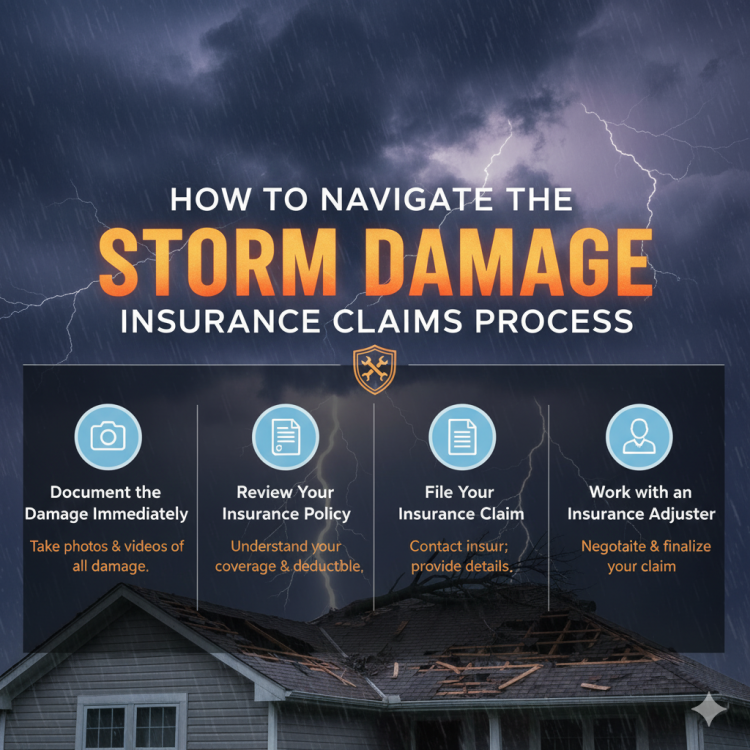
When a powerful storm strikes, the damage to your property can be overwhelming. From downed trees to flooding, wind damage, and roof destruction, the aftermath can leave you scrambling to pick up the pieces. In such stressful circumstances, filing an insurance claim is the next logical step, but navigating the process can be challenging.
In this comprehensive guide, we’ll walk you through the storm damage insurance claims process, ensuring that you understand the necessary steps, common challenges, and how to maximize your settlement. Whether you're dealing with hail damage, wind damage, or flooding, this article will provide clarity on how to make the claims process as smooth and efficient as possible.
Understanding Storm Damage Insurance Claims
Storm damage insurance claims are filed when property owners seek compensation for losses caused by natural disasters such as hurricanes, tornadoes, hailstorms, heavy rain, and high winds. Insurance policies can cover a range of damages, including structural damage to homes, vehicles, and other personal property.

Storm Damage Insurance Coverage typically includes:
-
Wind Damage: Damage caused by high winds, including roof damage, broken windows, and structural issues.
-
Hail Damage: Damage from hailstones, which can shatter windows, dent roofs, and destroy personal property.
-
Flooding: Water damage caused by heavy rain or overflowing rivers, which can lead to significant property damage.
-
Fallen Trees or Debris: Trees and debris falling onto roofs, cars, or other structures during a storm.

Each type of damage comes with specific claim procedures, and it's essential to understand what is covered by your insurance policy.
Step 1: Document the Damage Immediately
After the storm passes, it’s crucial to document the damage to your property as soon as possible. Insurance companies require photographic evidence to process claims, and the sooner you gather this information, the better.
Here’s how to start:
-
Take clear, detailed photographs of all affected areas, including broken windows, damaged roofs, flooded areas, and fallen trees.
-
Create a video documenting the full extent of the damage. This can provide a more complete visual record than photographs alone.
-
Record a list of all damaged or destroyed property, including furniture, appliances, and electronics. Be sure to include model numbers and serial numbers when possible.
-
Take notes on any temporary repairs you make to mitigate further damage. For example, if you board up windows or place a tarp on a leaking roof, record the actions taken.
Having comprehensive and well-documented evidence will make the claims process much smoother.
Step 2: Review Your Insurance Policy
Before you file your claim, it’s essential to review your insurance policy carefully. Policies often include deductibles, coverage limits, and specific exclusions that can impact the settlement you’ll receive.
Key things to look for include:
-
Coverage Types: Ensure your policy includes coverage for storm-related damages such as wind, hail, and flooding.
-
Policy Limits: This is the maximum amount your insurance will pay out for a claim. If the damage exceeds this amount, you may be responsible for the difference.
-
Deductibles: Some storm damage claims, particularly those involving wind or flooding, may come with higher deductibles. Be aware of how much you’ll need to pay out of pocket before your insurance kicks in.
-
Exclusions: Some policies exclude specific types of damage. For example, standard homeowners' insurance may not cover flooding unless you’ve added a specific flood endorsement.
If you're unsure about any terms, consider reaching out to your insurance company or an expert to clarify the details.
Step 3: File Your Insurance Claim
Once you’ve documented the damage and reviewed your policy, it’s time to file your insurance claim. You can typically do this through your insurance company’s website, by phone, or through an insurance adjuster.
Tips for filing your claim:
-
Be thorough: Provide all requested documentation, including photos, videos, and a detailed list of damaged property.
-
Keep a record: Retain copies of all communication, including emails, phone calls, and written correspondence.
-
Ask for help: If you find the claims process confusing, consider seeking assistance from a public adjuster or storm claims expert. They can help ensure your claim is filed correctly and increase your chances of a higher payout.
Step 4: Work with an Insurance Adjuster
After you submit your claim, the insurance company will likely send an insurance adjuster to inspect your property and assess the damage. The adjuster will evaluate the extent of the damage and determine how much compensation you are entitled to under your policy.
Here’s what you can expect during this process:
-
Prepare for the inspection: Be present during the inspection to ensure that all areas of damage are properly noted. Walk the adjuster through the property, pointing out any damage they may miss.
-
Provide documentation: Share the photographs, videos, and written documentation you’ve collected to ensure that the adjuster has all the information needed to assess the damage accurately.
-
Ask questions: If the adjuster’s estimate seems low, don’t hesitate to ask for clarification. You can even request a second opinion from a different adjuster if necessary.
It’s important to note that insurance adjusters are employed by the insurance company, so their interests may not always align with yours. In some cases, hiring a public adjuster to represent you can ensure that you receive a fair settlement.
Step 5: Review the Settlement Offer
Once the adjuster has completed their assessment, the insurance company will present you with a settlement offer. This is the amount they are willing to pay for your claim based on their evaluation of the damage.
Before accepting the offer:
-
Review the offer carefully: Ensure that the settlement amount covers all the damages you’ve documented, including any repairs, replacements, or temporary repairs.
-
Compare estimates: If you’re not satisfied with the settlement offer, consider obtaining additional estimates from contractors or specialists. This can provide leverage when negotiating a higher settlement.
-
Check for exclusions: Make sure the insurance company hasn’t excluded any damages that should be covered by your policy.
If you believe the offer is insufficient, you have the right to negotiate or appeal the decision. Working with a public adjuster or an attorney can help you navigate this process.
Step 6: Finalize the Claim and Begin Repairs
Once you’ve agreed on a settlement with the insurance company, the next step is to finalize the claim and begin repairing the damage. Depending on the scope of the damage, this can involve hiring contractors, replacing damaged items, or making temporary fixes.
Things to keep in mind:
-
Use approved contractors: Ensure that any contractors you hire are approved by your insurance company to avoid delays in reimbursement.
-
Keep all receipts: If you make any repairs before the insurance company sends payment, keep all receipts to submit for reimbursement.
-
Stay in communication: If you have questions or concerns during the repair process, keep in contact with your insurance company to ensure everything is handled smoothly.
Common Challenges in Storm Damage Claims
While the process seems straightforward, there are several common challenges that homeowners face when filing storm damage insurance claims:
-
Underestimating damage: Insurance adjusters may undervalue your claim or overlook hidden damage, such as water damage behind walls. Be vigilant about ensuring that all damages are covered.
-
Policy exclusions: Some insurance policies may have exclusions for certain types of damage, such as damage caused by flooding. Understanding your policy can help you avoid surprises.
-
Delays in processing: Insurance companies may take weeks or even months to process your claim, delaying necessary repairs. Be proactive in following up on the status of your claim.
Conclusion: Maximizing Your Storm Damage Claim Settlement
Filing a storm damage insurance claim can be a complex and sometimes frustrating process. However, with the right preparation and knowledge, you can maximize your settlement and get the compensation you deserve. By documenting the damage, understanding your insurance policy, working with adjusters, and negotiating effectively, you can navigate the claims process with confidence.
If you're facing a storm damage claim and need expert assistance, Storm One Claims is here to help. Our team of experienced public adjusters will guide you through every step of the process, ensuring you get the best possible outcome. Contact us today to learn more about how we can assist with your storm damage insurance claim.





