

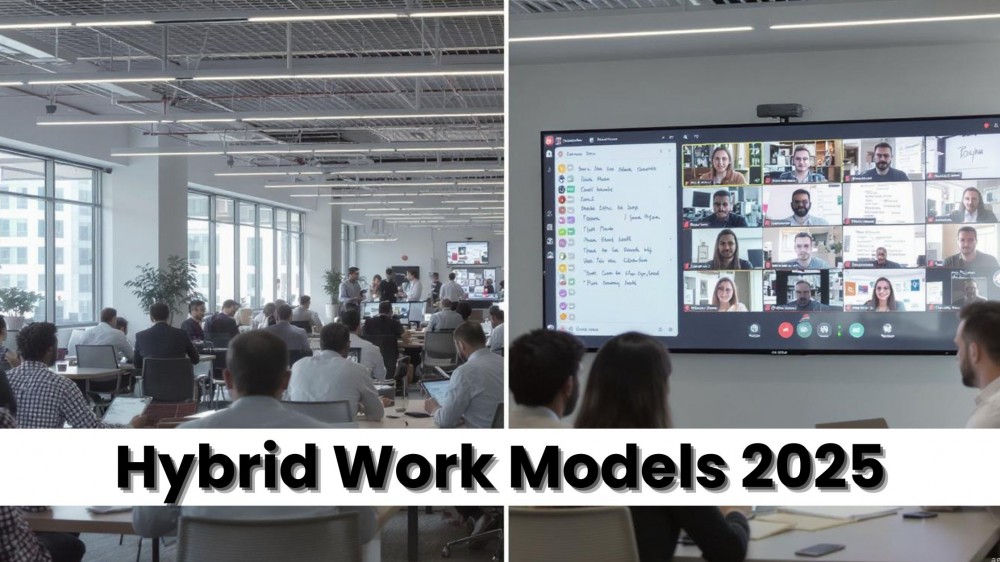
Employee engagement is a top priority for modern organizations, and Hybrid Work Models 2025 offer a powerful way to enhance it. By combining remote work flexibility with office collaboration, companies can create environments that motivate employees, improve job satisfaction, and boost productivity. Engagement in hybrid models requires a deliberate strategy that addresses communication, culture, and employee experience.
Defining Hybrid Work Models 2025
Hybrid work models allow employees to work both remotely and in the office, providing autonomy while maintaining opportunities for collaboration. This approach ensures that teams stay connected, ideas flow freely, and employees feel valued regardless of their location. Properly structured hybrid work fosters loyalty, reduces turnover, and enhances engagement.
Clear Communication Guidelines
Effective communication is critical to engagement in Hybrid Work Models 2025. Organizations should establish clear channels for updates, project collaboration, and team discussions. Regular virtual meetings, chat platforms like Slack, and collaborative tools like Microsoft Teams help employees stay informed and connected. Transparent communication strengthens trust and encourages active participation.

Creating a Trust-Based Culture
Trust is essential in hybrid environments. Managers should focus on outcomes rather than monitoring daily activity. Providing autonomy, setting clear goals, and offering feedback cultivate accountability and motivation. Trust empowers employees to take ownership of their work, increasing both engagement and productivity.
Structured Flexibility for Teams
While flexibility is a key benefit, structure is necessary to maintain alignment. Companies can establish core collaboration hours while allowing employees to manage their schedules outside of these times. Structured flexibility helps employees balance responsibilities, reduces stress, and promotes consistent engagement.
Employee Well-Being and Support
Engagement is closely linked to well-being. Hybrid Work Models 2025 should incorporate wellness initiatives, mental health support, and virtual team-building activities. Encouraging breaks and maintaining work-life balance prevents burnout and sustains employee motivation. A focus on well-being strengthens the connection between employees and the organization.
Redesigning Office Spaces for Interaction
Physical office presence remains important for engagement. Offices should be designed for collaboration, meetings, and creative brainstorming, rather than individual work. Flexible seating, shared workstations, and technology-enabled spaces maximize productive interactions on in-office days.
Training and Professional Development
Continuous learning contributes to engagement in hybrid settings. Providing training on collaboration tools, time management, and remote leadership equips employees to thrive in Hybrid Work Models 2025. Leadership training ensures managers can support distributed teams effectively, enhancing team cohesion and employee satisfaction.

Performance Measurement and Recognition
Regularly measuring performance and recognizing achievements is key to maintaining engagement. KPIs such as project completion, collaboration efficiency, and client feedback help monitor productivity. Recognition programs that celebrate accomplishments foster motivation and loyalty in hybrid teams.
Promoting Diversity and Inclusion
Hybrid work expands recruitment opportunities and supports diversity and inclusion. Remote work allows organizations to hire talent from various backgrounds and locations. Implementing equitable communication practices and inclusive engagement initiatives ensures all employees feel valued and connected.
Human-Centered Work Practices
Human-centered practices are crucial for engagement. Companies that prioritize employee preferences, work styles, and well-being foster stronger loyalty and motivation. Regular feedback, participatory decision-making, and adaptable policies enhance employee experience and performance in hybrid models.
Cybersecurity Considerations
Protecting organizational data is vital in hybrid environments. Companies should implement multi-factor authentication, secure networks, and employee cybersecurity training. Strong security measures allow employees to work flexibly without compromising the organization’s digital assets.
Encouraging Innovation and Agility
Hybrid Work Models 2025 foster innovation by giving employees the flexibility to experiment and optimize workflows. Virtual collaboration tools, knowledge-sharing platforms, and continuous feedback support creativity. Agile hybrid teams can respond quickly to changes, driving both engagement and organizational success.
Read Full Article : https://bizinfopro.com/blogs/hr-blogs/hybrid-work-models-2025-best-practices-for-flexibility-and-productivity/
About Us : BizInfoPro is a modern business publication designed to inform, inspire, and empower decision-makers, entrepreneurs, and forward-thinking professionals. With a focus on practical insights and in‑depth analysis, it explores the evolving landscape of global business—covering emerging markets, industry innovations, strategic growth opportunities, and actionable content that supports smarter decision‑making.





