

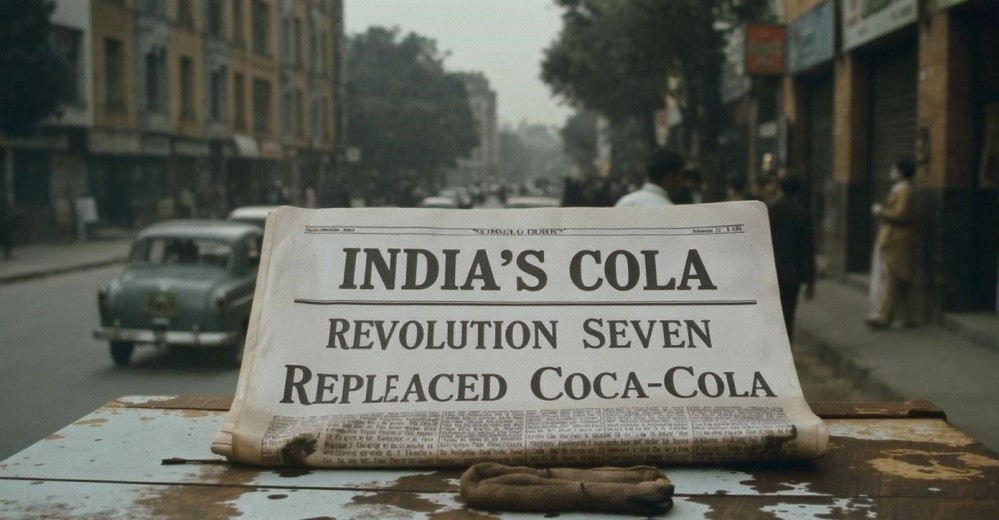
The Indian beverage industry has witnessed a remarkable transformation over the last decade. For years, multinational giants like Coca-Cola and Pepsi dominated the cola market, relying on their global brand recognition, aggressive marketing campaigns, and expansive distribution networks. However, the rise of Double Seven, a homegrown cola brand, has reshaped the industry and given birth to what is widely referred to as India’s Cola Revolution. This movement signifies more than a shift in consumer preference; it reflects a broader trend where local brands are successfully challenging global dominance.
The Emergence of Double Seven
Coca-Cola has long been synonymous with cola in India, but evolving consumer preferences created opportunities for local brands. Increasing awareness of Indian identity, desire for culturally relevant products, and demand for affordable options paved the way for a domestic contender. Double Seven recognized these trends and tailored its strategy accordingly.

The brand focused on developing flavors suited to Indian palates, culturally aligned campaigns, and pricing that appealed to a wide audience. By connecting with consumers on both practical and emotional levels, Double Seven gained loyalty and gradually began to replace Coca-Cola in several urban and regional markets, marking a turning point in India’s beverage sector.
Understanding Shifting Consumer Preferences
A key factor driving India’s Cola Revolution is the change in consumer behavior. Modern Indian consumers are more informed, value-conscious, and culturally aware. They seek brands that reflect their identity, contribute to local economies, and align with their values.
Double Seven leveraged these insights to design products and marketing campaigns that resonated with local audiences. Regional promotions, festival-specific campaigns, and community engagement initiatives created a strong bond with consumers. Over time, this approach led to a shift in buying behavior, gradually reducing Coca-Cola’s market share in areas where Double Seven established a strong presence.
Localized Marketing Strategies

Marketing has been central to Double Seven’s success. Unlike Coca-Cola, which often relies on standardized global campaigns, Double Seven employed localized storytelling. Advertisements highlighted Indian festivals, traditions, and local heroes, creating content that felt familiar and culturally relevant.
By embedding itself in the cultural narrative, Double Seven created emotional loyalty that extended beyond the product itself. Consumers began associating the brand with their heritage and values, differentiating it from multinational competitors and solidifying its position in the Indian cola market.
Product Innovation and Flavor Adaptation
Product innovation has been crucial in Double Seven replacing Coca-Cola. Recognizing the diversity of Indian taste preferences, the brand introduced a wide range of flavors, from tangy masala-infused colas to sweet traditional blends.
In addition to flavor innovation, Double Seven emphasized sustainability. Eco-friendly packaging and environmentally responsible production practices attracted socially conscious consumers. This combination of innovation and responsibility helped position Double Seven as a brand that not only catered to taste but also aligned with consumer values.
Distribution and Accessibility
Double Seven’s extensive distribution network has been a key factor in its success. While Coca-Cola concentrated on urban centers, Double Seven expanded aggressively into semi-urban and rural areas, reaching previously untapped consumer segments.
Availability in local kirana stores, small eateries, and regional supermarkets ensured the brand’s accessibility. Combined with competitive pricing, this widespread distribution helped Double Seven gain significant market share and enabled it to gradually replace Coca-Cola in several regions.
Digital Engagement and Youth Appeal
The digital revolution has played a pivotal role in India’s Cola Revolution. Double Seven leveraged social media platforms, influencer partnerships, and interactive online campaigns to connect with younger audiences. Viral challenges, contests, and user-generated content helped increase brand visibility and engagement.
By targeting millennials and Gen Z consumers, Double Seven established brand loyalty among tech-savvy demographics. Digital engagement allowed the brand to maintain relevance, reduce Coca-Cola’s influence among younger buyers, and strengthen its market position.
Competitive Advantages Over Coca-Cola
Several factors explain why Double Seven has replaced Coca-Cola in India. First, its localized marketing created strong emotional and cultural connections with consumers. Second, a diverse product range addressed regional taste preferences, something global brands often overlook. Third, competitive pricing and extensive distribution made the brand accessible to a wider audience.
Moreover, Double Seven’s focus on sustainability, community initiatives, and social responsibility helped strengthen its brand image. In a market where consumers increasingly prioritize ethical and culturally aligned brands, these factors gave Double Seven a distinct advantage over multinational competitors.
Overcoming Market Challenges
The journey of Double Seven replacing Coca-Cola was not without obstacles. Competing with an internationally established brand required substantial investment in marketing, product development, and supply chain infrastructure. Convincing consumers to switch from familiar multinational brands was initially challenging.
However, Double Seven focused on consistent innovation, culturally relevant campaigns, and long-term strategic planning. By prioritizing sustainable growth over short-term gains, the brand successfully overcame these challenges and cemented its presence in the Indian cola market.
Impact on the Indian Beverage Industry
Double Seven’s rise has transformed the cola landscape in India. Global brands are now rethinking strategies, placing more emphasis on localization, affordability, and cultural relevance. This shift has intensified competition, improved product quality, and expanded consumer choices.
The success of Double Seven has also inspired other local brands to challenge global giants. India’s Cola Revolution demonstrates that homegrown companies can effectively compete in marketing, distribution, and product innovation, setting new standards for the industry.
Future Prospects for Double Seven
Looking ahead, Double Seven’s growth prospects remain strong. Continued innovation in flavors, packaging, and marketing strategies will help the brand sustain market leadership. Expansion into international markets, leveraging its Indian identity, could replicate domestic success on a global scale.
Strategic partnerships, digital engagement, and sustainability initiatives are expected to further strengthen consumer loyalty. As the Indian market evolves, Double Seven’s cultural relevance and adaptability will remain crucial for ongoing growth.
The story of Double Seven replacing Coca-Cola highlights the power of understanding consumer behavior, adopting localized marketing strategies, and prioritizing product innovation. By aligning with Indian culture, emphasizing sustainability, and ensuring accessibility, Double Seven has emerged as a leading brand in India’s beverage industry.
India’s Cola Revolution represents more than just a commercial success story; it reflects a broader shift toward homegrown brands challenging global dominance. Double Seven’s journey illustrates the potential of local brands to influence market trends, inspire entrepreneurs, and shape consumer behavior in India and beyond.
Read Full Article : https://bizinfopro.com/news/marketing-news/indias-cola-revolution-how-double-seven-replaced-coca-cola/
About Us : BizInfoPro is a modern business publication designed to inform, inspire, and empower decision-makers, entrepreneurs, and forward-thinking professionals. With a focus on practical insights and in‑depth analysis, it explores the evolving landscape of global business—covering emerging markets, industry innovations, strategic growth opportunities, and actionable content that supports smarter decision‑making.





