

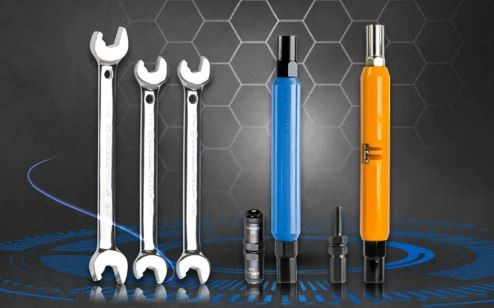
When it comes to hand tools, wrenches are among the most essential in every toolkit. Whether you are an electrician, plumber, automotive technician, or construction professional, wrenches play a vital role in loosening and tightening bolts, nuts, and fittings with precision and safety. Their versatility, reliability, and ability to apply torque efficiently make them a must have for both professionals and DIY enthusiasts.
In this article, we will explore the different types of wrench tools, their applications, maintenance tips, and why high quality wrenches are an investment worth making.
What Are Wrenches?
A wrench is a hand tool designed to grip and turn objects, usually fasteners such as nuts and bolts. The tool provides leverage, making it easier to tighten or loosen connections without causing damage. Unlike pliers, which rely on squeezing force, wrenches are specially shaped to match the size and type of the fastener, providing a secure grip and controlled torque.

Professionals depend on Adjustable wrench tools to ensure connections are precise and safe. For example, in electrical work, an incorrectly tightened connection can lead to overheating or system failure, while in plumbing, poor fastening can cause leaks.
Types of Wrenches
Wrenches come in a variety of styles, each serving a unique purpose. Here are some of the most commonly used types,
1. Open End Wrench
- Features U shaped openings at each end.
- Designed for nuts and bolts that are easily accessible.
- Quick and convenient for loosening or tightening fasteners without slipping.
2. Box End Wrench
- Has enclosed openings that fit over the nut or bolt.
- Provides a stronger grip and is ideal for higher torque applications.
3. Combination Wrench

- A hybrid tool with an open end on one side and a box end on the other.
- Popular among professionals because of its versatility.
4. Adjustable Wrench
- Also known as a "Crescent wrench."
- Has a movable jaw that can fit different fastener sizes.
- Great for jobs where multiple fastener sizes are involved.
5. Torque Wrench
- Designed to apply a specific amount of torque to a fastener.
- Essential in fields like automotive repair, construction, and fiber optics where precision is critical.
6. Ratcheting Wrench
- Combines the grip of a box end with a ratchet mechanism.
- Allows continuous turning without removing and repositioning the tool.
Why Quality Wrenches Matter
Not all wrenches are created equal. Low quality tools can wear out quickly, damage fasteners, or even injure the user. Here’s why investing in high quality wrench tools is important,
- Durability – Made with hardened steel and precision design, premium wrenches last longer.
- Accuracy – Properly engineered wrenches ensure correct torque and prevent fastener stripping.
- Safety – A well made wrench reduces the risk of slipping and accidents.
- Efficiency – Quality tools save time and effort during work.
For professionals, using the right wrenches ensures consistent results, better safety, and greater job satisfaction.
Applications of Wrenches
Different industries rely on wrenches for daily operations,
- Electrical Industry – Tightening insulated connections, grounding, and panel fasteners.
- Plumbing – Adjusting pipe fittings and valves.
- Automotive Repair – Precision tightening of engine bolts and parts.
- Construction – Securing steel structures, scaffolding, and heavy duty fasteners.
- Telecom & Fiber Optics – Torque wrenches ensure cables and connectors are safely installed.
In all these cases, having the right wrench tools is key to achieving professional results.
How to Choose the Right Wrench
Selecting the right wrench depends on the job requirements. Here’s a quick guide
- For versatility – Use a combination wrench set.
- For precision – A torque wrench is essential.
- For tight spaces – A ratcheting wrench saves time and effort.
- For multiple sizes – Adjustable wrenches are a practical solution.
It is always best to have a set of wrenches to cover different needs instead of relying on just one tool.
Tips for Maintaining Wrenches
Proper care ensures your wrenches last longer
- Keep them clean – Wipe tools after use to prevent rust and buildup.
- Store properly – Use a toolbox or organizer to avoid misplacing or damaging them.
- Check for wear – Replace wrenches that have worn jaws or cracks.
- Avoid misuse – Don’t use wrenches as hammers or pry bars.
A little maintenance goes a long way in keeping your wrench tools reliable.
Myths About Wrenches
Let’s bust a few common misconceptions,
- Myth 1: Any wrench will do.
Wrong. Using the wrong type of wrench can damage fasteners and cause safety risks. - Myth 2: Adjustable wrenches replace all others.
Not true. While they are versatile, adjustable wrenches don’t provide the same precision as fixed size wrenches. - Myth 3: Cheap wrenches save money.
Actually, low quality tools wear out quickly, costing more in replacements and lost time.
Conclusion
Wrenches are more than just simple hand tools, they are essential instruments that bring precision, safety, and efficiency to countless industries. Choosing the right wrenches and maintaining them properly ensures professional results and long lasting performance.
If you are a professional looking for reliable, high quality wrench tools, investing in the right set can make all the difference in your work.





