

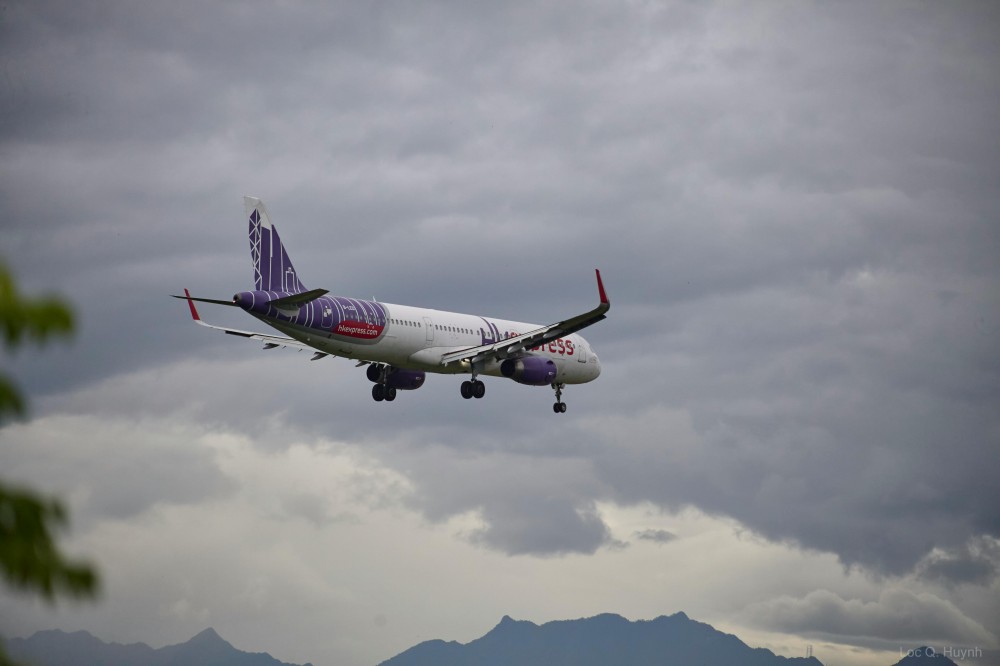
In today’s interconnected world, aerospace is one of the most technologically advanced and demanding industries. Aircraft, spacecraft, satellites, and related systems represent engineering marvels, but behind every successful launch, flight, or mission lies an intricate network of planning and coordination. At the heart of this complex system is the role of an aerospace logistics company, ensuring that the right components, materials, and services reach their destination with precision and efficiency.
Understanding Aerospace Logistics
Aerospace logistics is not just about transporting goods from one place to another. It encompasses the entire framework of managing materials, equipment, parts, and resources needed to support aircraft manufacturing, maintenance, repair, and global operations. An aerospace logistics company must coordinate across international borders, work with highly specialized parts, and ensure compliance with stringent safety and regulatory requirements. Unlike general logistics, where delays or small errors may be absorbed without significant disruption, in aerospace even a minor delay can halt production lines, ground fleets, or delay critical space missions.
Complexity of Aerospace Supply Chains
The aerospace industry operates with one of the most intricate supply chains in the world. A single aircraft can contain millions of parts, sourced from suppliers spread across multiple continents. These parts range from the smallest fasteners to large-scale engines and avionics systems. Coordinating the procurement, storage, and delivery of these components requires a specialized skill set that only an experienced aerospace logistics company can provide.

For instance, some components must be transported in climate-controlled conditions, others require highly secure transport due to their sensitive nature, while certain oversized parts call for specialized cargo aircraft or customized shipping containers. Each step must also meet international trade compliance standards, aerospace safety regulations, and environmental guidelines.
Time-Critical Logistics
One of the defining features of aerospace logistics is the need for time-critical solutions. Aircraft on ground (AOG) situations are prime examples. When a commercial or defense aircraft is grounded due to a technical issue, every hour of downtime represents massive financial loss and potential disruption of schedules. An aerospace logistics company must be equipped to respond immediately, sourcing and transporting the required part or equipment anywhere in the world under strict timelines.
The ability to execute this level of urgency often relies on a combination of advanced tracking systems, global networks of warehouses, and access to expedited transportation modes such as charter flights. This responsiveness is what distinguishes aerospace logistics from conventional freight services.
Role in Defense and Space Programs
Beyond commercial aviation, aerospace logistics also plays a pivotal role in defense and space exploration. Military operations depend on a steady flow of spare parts, ammunition, and aviation fuel, often delivered to remote or high-risk areas. Similarly, space programs require the transport of sensitive satellite components, launch systems, and ground support equipment with extreme care. An aerospace logistics company must navigate international regulations, security protocols, and technological complexities to ensure mission success.
The reliability of logistics partners can directly influence national defense readiness or the timely launch of a satellite into orbit. In these contexts, aerospace logistics is not just a service—it is a strategic necessity.

Technology and Digital Transformation
The modern aerospace sector is undergoing a digital transformation, and logistics is no exception. Advanced technologies like artificial intelligence, blockchain, and IoT are reshaping the way aerospace supply chains function. An aerospace logistics company leverages these innovations to provide real-time visibility, predictive analytics, and enhanced security in shipments.
For example, IoT-enabled sensors can monitor temperature, humidity, and vibration levels during transport of sensitive equipment, ensuring conditions remain within safe thresholds. Blockchain can improve transparency and trust in the supply chain, while AI-driven predictive models help forecast demand for parts and optimize inventory management. These advancements not only reduce costs but also minimize delays and enhance overall efficiency.
Sustainability in Aerospace Logistics
As the aerospace sector works toward reducing its environmental footprint, logistics providers are also embracing sustainability. Traditional cargo operations contribute to carbon emissions, so companies are seeking greener alternatives such as optimized routing, sustainable fuels, and energy-efficient warehousing solutions. An aerospace logistics company that prioritizes sustainability aligns with the broader industry push toward eco-friendly practices.
Packaging innovations, carbon offset programs, and collaborative transportation models are also being adopted to reduce environmental impact. These measures not only support environmental goals but also strengthen the resilience and long-term viability of aerospace logistics networks.
Human Expertise and Training
While technology plays a vital role, human expertise remains irreplaceable. Aerospace logistics requires highly trained professionals who understand both logistics management and the technical intricacies of aerospace components. From customs clearance specialists who navigate complex international trade laws to engineers who ensure the safe handling of delicate equipment, the human element is essential.
An aerospace logistics company invests heavily in workforce training, ensuring personnel are skilled in safety protocols, regulatory compliance, and crisis management. This combination of knowledge and practical experience forms the backbone of reliable aerospace logistics services.
Risk Management and Resilience
Aerospace logistics also involves navigating risks that can stem from geopolitical tensions, natural disasters, or supply chain disruptions such as those experienced during the global pandemic. Building resilience means developing contingency plans, diversifying supplier bases, and maintaining strong global partnerships.
An aerospace logistics company must be proactive in anticipating risks, whether they relate to sudden border closures, material shortages, or cyber threats. By creating flexible supply chain models, logistics providers ensure continuity in even the most uncertain environments.
Future Outlook of Aerospace Logistics
The future of aerospace logistics promises further advancements driven by digitalization, automation, and sustainability. Drones and autonomous vehicles may play a larger role in delivering critical spare parts, especially to remote or inaccessible locations. Predictive maintenance will reduce AOG situations, while additive manufacturing (3D printing) could localize production of certain components, reducing reliance on long-distance shipping.
Still, the foundation of the industry will remain the same: precision, speed, compliance, and reliability. The role of an aerospace logistics company will continue to expand as aerospace manufacturing and operations grow globally, supporting commercial aviation, defense, and space exploration initiatives.
Conclusion
Aerospace logistics is a highly specialized field that underpins one of the world’s most vital industries. It requires a delicate balance of speed, security, innovation, and expertise to keep aircraft flying, missions on track, and global supply chains running smoothly. The contributions of an aerospace logistics company are not always visible to the public, but they are critical to ensuring the safety, efficiency, and progress of aerospace operations worldwide.





