
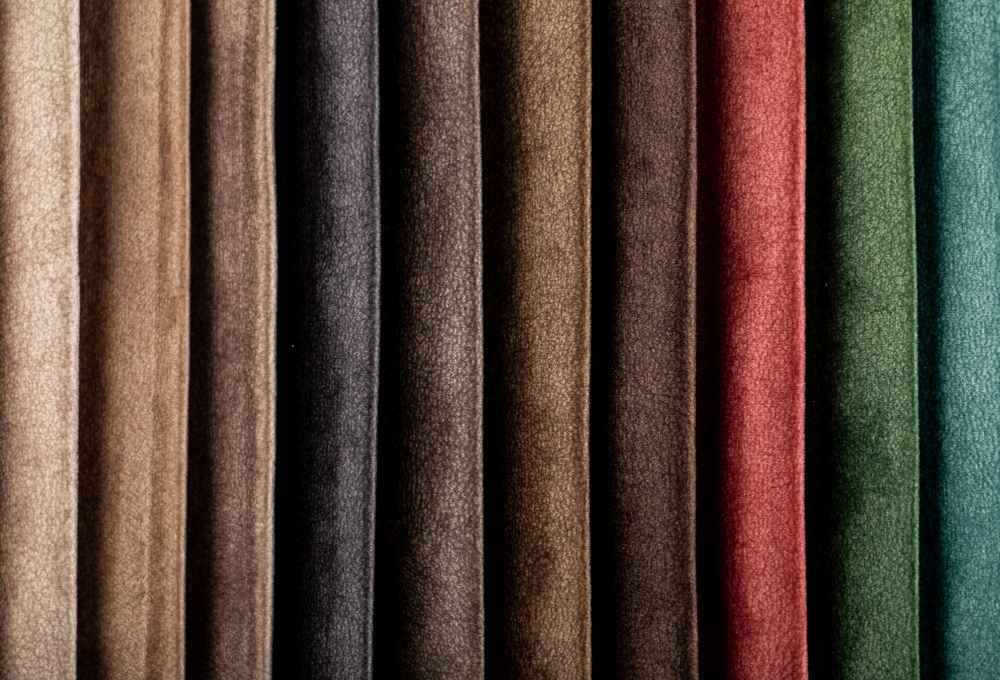
Allergies can make life uncomfortable, especially when common household items like upholstery fabrics trap dust, pet dander, and other allergens. For those in the UK dealing with allergies, choosing the right upholstery fabric is essential to reduce symptoms and create a healthier living space. This guide explores the best fabrics for allergy sufferers, their benefits, and how to maintain them for long-term relief.
Understanding Allergies and Upholstery Fabrics
Allergy sufferers often react to dust mites, pet hair, mould spores, and other microscopic particles that settle into fabrics. Upholstered furniture can become a breeding ground for these allergens if the wrong material is used. The key is to select fabrics that resist allergen accumulation while being easy to clean.
Natural fibres like cotton and wool may seem like good choices, but they can harbour allergens if not treated properly. On the other hand, synthetic fabrics often offer better resistance to dust mites and are easier to maintain. The right choice depends on factors like breathability, weave tightness, and cleaning requirements.

Best Upholstery Fabrics for Allergy Sufferers
Not all fabrics are created equal when it comes to allergy resistance. Here are the top options for those looking to minimise allergens in their home:
Microfiber: The Top Choice for Allergy Relief
Microfiber is a synthetic fabric made from tightly woven polyester and polyamide fibres. Its dense structure prevents dust mites, pet dander, and pollen from penetrating deep into the material. Unlike looser weaves, microfiber doesn’t allow allergens to settle, making it one of the best choices for allergy sufferers.
Another advantage is its smooth surface, which makes wiping away dust and spills effortless. Regular vacuuming and occasional damp cleaning keep microfiber upholstery free from irritants. Many UK households prefer microfiber sofas and chairs for their hypoallergenic properties and durability.
Leather and Faux Leather: Easy to Clean and Resistant
Real leather and high-quality faux leather are excellent for allergy sufferers because they don’t trap allergens like fabric fibres do. Dust, pet hair, and mites sit on the surface rather than embedding themselves, allowing for quick and thorough cleaning.
Leather does require conditioning to prevent cracking, but its non-porous nature makes it inhospitable to dust mites. Faux leather, being synthetic, offers similar benefits at a lower cost. Both options are ideal for those who want a sleek, low-maintenance upholstery solution.
Tightly Woven Synthetic Fabrics
Fabrics like polyester, nylon, and acrylic with a tight weave prevent allergens from settling deep within the fibres. These materials are less likely to harbour dust mites compared to looser weaves like linen or chenille.
The key is to choose upholstery with a smooth, dense texture rather than a fluffy or napped finish. Tight weaves also make vacuuming more effective, as allergens are lifted away rather than pushed deeper into the fabric.
Fabrics to Avoid If You Have Allergies
While some fabrics help reduce allergens, others can worsen symptoms. Here are materials allergy sufferers should approach with caution:
Wool: Warm but Problematic
Wool is a natural insulator, but its fibres trap dust, dander, and mites. Even treated wool can be problematic for those with severe allergies. If you love the look of wool, consider using it in small, washable accents rather than large upholstered pieces.
Velvet and Chenille: Attract and Hold Allergens
Plush fabrics like velvet and chenille have a deep pile that traps allergens. Their textured surfaces make it difficult to remove dust and pet hair completely, even with frequent vacuuming. For allergy sufferers, smoother alternatives are a safer choice.
Loose Weave Natural Fibres
Linen and cotton, while breathable, have looser weaves that allow allergens to settle. Unless treated with anti-allergen coatings, these fabrics may not be the best for sensitive individuals.
How to Maintain Upholstery for Allergy Control
Choosing the right fabric is only half the battle—proper maintenance is crucial to keeping allergens at bay. Here’s how to care for your upholstery:
Regular Vacuuming with a HEPA Filter
A vacuum cleaner equipped with a HEPA filter captures tiny particles that standard vacuums miss. Aim to vacuum upholstered furniture at least once a week, paying attention to crevices where dust accumulates.
Steam Cleaning for Deep Sanitisation
Steam cleaning kills dust mites and removes embedded allergens. Microfiber and synthetic fabrics respond well to steam, but always check manufacturer guidelines to avoid damage.
Using Anti-Allergen Sprays
Specialised sprays can neutralise allergens on upholstery. These are particularly useful for fabrics that can’t be washed frequently.
Hypoallergenic Upholstery Treatments
Some fabrics come with hypoallergenic treatments that repel dust mites and mould. Look for options labelled as antimicrobial or allergy-resistant when shopping for upholstery.
Nanotechnology Coatings
Advanced fabric treatments use nanoparticles to create a barrier against allergens. These coatings are becoming more common in upholstery designed for health-conscious consumers.
Tightly Sealed Cushions
Furniture with removable, airtight cushion covers prevents allergens from settling inside the padding. This design is especially helpful for sofas and chairs in high-use areas.
Best Upholstery Colours for Allergy Sufferers
Darker colours and patterns can hide dust and pet hair, but light-coloured fabrics make it easier to spot and remove allergens. If you prefer darker upholstery, opt for smooth materials that don’t trap particles.
Where to Buy Allergy-Friendly Upholstery Fabric in the UK
Finding the right fabric is easier when you know where to look. Many UK retailers offer hypoallergenic options, but it’s important to choose a supplier with quality materials. For a wide selection of allergy-friendly upholstery fabrics, consider browsing online stores that specialise in home textiles. One such option is Yorkshire Fabric Shop, a trusted source for high-quality upholstery materials in the UK.
Conclusion
Selecting the right upholstery fabric can make a significant difference for allergy sufferers. Microfiber, leather, and tightly woven synthetics are among the best choices due to their resistance to allergens and ease of cleaning. Avoiding high-pile and loosely woven fabrics helps minimise irritation. Regular maintenance, such as vacuuming and steam cleaning, further reduces allergen buildup.
For those in the UK looking for reliable upholstery fabrics, Yorkshire Fabric Shop offers a variety of options suitable for allergy-prone households. Their collection includes durable, easy-to-clean materials that combine style with practicality.
Frequently Asked Questions
1. Can I make my existing upholstery more allergy-friendly?
Yes, using anti-allergen sprays, regular vacuuming, and steam cleaning can help reduce allergens in your current furniture.
2. Is microfiber better than leather for allergies?
Microfiber and leather are both excellent choices. Microfiber is more affordable, while leather is easier to wipe clean.
3. How often should I clean upholstery if I have allergies?
Vacuum weekly and deep clean every 3-6 months to keep allergens under control.
4. Are there any natural fabrics good for allergies?
Tightly woven cotton with hypoallergenic treatments can work, but synthetics are generally safer.
5. Where can I find allergy-resistant upholstery fabric in the UK?
Many UK retailers stock hypoallergenic fabrics. For a curated selection, you might explore Yorkshire Fabric Shop, which offers various allergy-friendly options.





