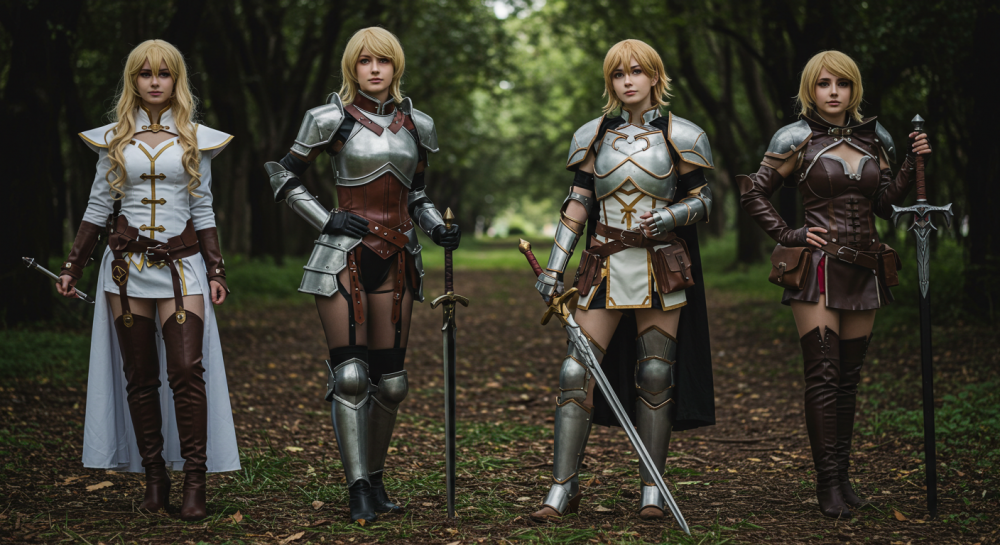
The phrase “barbarian renaissance costume” might seem paradoxical at first glance. After all, the term “barbarian” evokes wild, untamed strength, while “renaissance” symbolizes art, refinement, and rebirth. But when these two concepts are woven together into costume design, the result is a compelling blend of ferocity and elegance that captivates audiences in cosplay, LARP (Live Action Role Play), and Renaissance fairs.
This deep-dive blog post explores the historical inspiration, aesthetic details, cultural influences, and costume-building tips for creating a show-stopping barbarian renaissance costume—perfect for reenactors, fantasy fans, and costume designers seeking the ideal fusion of raw power and period flair.

1. Defining the Barbarian Renaissance Costume: Fantasy or History?
To understand the essence of a barbarian renaissance costume, we must first acknowledge that it’s a hybrid style. This look is not rooted in one single historical moment but is instead a stylized blend of:
-
Early medieval warrior attire (often considered “barbarian”)
-
Renaissance silhouettes and detailing
-
Fantasy embellishments inspired by literature, games, and media
It combines the rugged materials and silhouettes of warriors from tribal or nomadic backgrounds with the ornamental flair of the Renaissance period.

Thus, the "barbarian renaissance" aesthetic is less about historical accuracy and more about evoking a powerful archetype—the wild warrior thrust into a civilized, decadent world.
2. Historical Inspiration: Who Were the Barbarians?
Historically, the term “barbarian” was used by the Greeks and Romans to describe foreign tribes who did not share their language or customs. These groups included:
-
Germanic tribes (Visigoths, Saxons, Vandals)
-
Celts and Gauls
-
Norse/Vikings
-
Huns and Scythians
Each group had distinct styles of clothing, weaponry, and armor—usually more practical than decorative, favoring leather, wool, fur, and metal. A barbarian costume inspired by these groups typically includes:
-
Layered leather or fur armor
-
Earth-toned fabrics
-
Minimal jewelry
-
Tribal patterns or tattoos
-
Emphasis on physicality (muscular silhouettes, bare arms, etc.)
In contrast, Renaissance fashion (14th–17th century) leaned toward:
-
Velvet, silk, and brocade fabrics
-
Intricate embroidery
-
Slashed sleeves and layered skirts
-
Highly structured bodices and doublets
When these worlds collide, the result is a fantasy warrior look that feels both ancient and regal.
3. Popular Use Cases: Where to Wear a Barbarian Renaissance Costume
This costume concept is gaining popularity across many creative spaces:
Renaissance Fairs
Attendees at Renaissance fairs are increasingly experimenting beyond period-accurate garments. A barbarian renaissance costume stands out for its raw power and theatrical presence.
LARP (Live Action Roleplay)
LARP scenarios often merge historical timelines and fantasy settings. The barbarian archetype is common in combat-centric storylines, where the character's dress reflects primal strength and loyalty to nature or tribe.
Cosplay Events
From fantasy video games (e.g., Skyrim, God of War) to movie franchises (e.g., Conan the Barbarian, The Witcher), barbarian characters remain popular cosplay choices. Combining these with Renaissance details creates fresh visual interpretations.
Themed Photoshoots & Content Creation
The rugged look of a barbarian mixed with the ornamental appeal of Renaissance accessories makes for visually stunning photography—perfect for creators and models alike.
4. Core Elements of a Barbarian Renaissance Costume
Let’s break down the costume from top to bottom:
A. Headwear & Hair
-
Fur-lined hoods or leather helms
-
Braided hair, war paint, or tribal tattoos
-
Horned helms or skull crowns (fantasy element)
-
Optional: circlets or leather headbands for Renaissance nods
B. Torso & Armor
-
Leather harnesses, fur mantles, or wolf pelts
-
Studded leather vests or chest plates
-
Renaissance-style doublets torn or reinterpreted with raw edges
-
Emphasis on rugged tailoring over symmetry
C. Arms & Gloves
-
Bracers or vambraces (leather or faux metal)
-
Long gloves with fur trim
-
Slashed or layered sleeves hinting at Renaissance detailing
D. Legwear
-
Leather skirts or battle kilts over tight pants
-
Tattered tunics or chainmail underskirts
-
Breeches or trousers in brown, gray, or black
E. Footwear
-
Tall leather boots
-
Wrapped sandals for northern warrior looks
-
Fur or leather gaiters tied with rawhide
F. Accessories
-
Bone necklaces, amulets, and tribal ornaments
-
Belts with hanging pouches or drinking horns
-
Swords, axes, or maces
-
Cloaks with fur-lined collars
5. Materials & Fabric Choices: What Brings the Costume to Life?
While Renaissance costumes lean toward luxury fabrics, the barbarian aesthetic calls for:
-
Leather (main material for armor, belts, boots)
-
Faux fur (ethical and easier to maintain)
-
Wool or coarse linen (for tunics and underskirts)
-
Canvas or burlap (great for tattered layering)
-
Metal accents (buckles, studs, chainmail, and weaponry)
Color Palette:
Stick to earthy tones—brown, gray, ochre, black, forest green, burgundy. These evoke tribal strength and natural elements.
Optional accents of gold or deep red can introduce the Renaissance flavor.
6. Gender Variations: Male and Female Barbarian Renaissance Looks
Male Barbarian Renaissance Costume
-
Emphasis on muscular form and intimidation
-
Armored chest or shirtless with harness
-
Fur capes and leather kilts
-
Sword or battle-axe as props
Female Barbarian Renaissance Costume
-
Fitted leather corsets or bracers
-
Flowing skirts combined with armored tops
-
Fur stoles and wolf-hair shoulder wraps
-
Braided hair, face paint, and crown-style helms
-
A balance between warrior femininity and primal rage
Today, many designers create gender-fluid barbarian costumes, giving wearers freedom to choose their silhouette and visual language.
7. Customization: Building Your Own Barbarian Renaissance Costume
Whether you're assembling pieces from scratch or ordering a full custom outfit, keep these tips in mind:
Step-by-Step Guide:
-
Start with the base – Use a tunic or fitted Renaissance shirt as your foundation.
-
Layer armor elements – Add leather vests, straps, or fur shoulders.
-
Add rugged texture – Tatter the hems, add fake dirt or weathering.
-
Craft accessories – Bone jewelry, weapon props, claw motifs.
-
Finish with footwear and props – Tall boots, swords, and belts complete the look.
Where to Buy or Customize:
Look for costume makers or leather artisans who specialize in:
-
Fantasy LARP armor
-
Medieval and barbarian cosplay gear
-
Hand-sewn Renaissance fair costumes
One such artisan brand that blends historical quality with fantasy vision is Creed Leather, offering leather pieces ideal for barbarian-themed costumes. Their focus on handmade armor and cloaks supports both accuracy and drama in costume design.
8. Roleplaying a Barbarian Character
The costume isn’t just about looks—it’s about bringing a character to life. Consider your backstory:
-
Were you once a warlord who walked into a Renaissance court?
-
Are you a mercenary who adopted foreign dress to blend in?
-
Are you a forest-dwelling tribal queen or king reclaiming land?
Adopt a dialect, stance, or fighting style that matches your costume. At LARP or cosplay events, performance enhances immersion.
9. Inspirations from Pop Culture
Want ideas? These characters show the fusion of barbarism and Renaissance grandeur:
-
Conan the Barbarian (films and comics)
-
Kassandra or Alexios from Assassin’s Creed Odyssey
-
Yennefer and Geralt from The Witcher (especially their ball attire mixed with rugged weapons)
-
Skyrim’s Dragonborn outfits
-
Game of Thrones wildling or Dothraki aesthetics
Each character demonstrates how raw warrior energy blends with regal touches for a dramatic costume presence.
Conclusion: Embrace the Wild Elegance of the Barbarian Renaissance Costume
The barbarian costume is a bold, theatrical expression that defies conventional historical boundaries. Whether you're stepping into battle on a fantasy field, gracing a Renaissance fair, or standing out in a cosplay crowd, this style offers the best of both worlds—unapologetic strength and artistic richness.
Through rugged leather, fierce accessories, and creative storytelling, you can become a warrior who conquers not just enemies, but imaginations.