

Solar power systems are gaining popularity in homes, RVs, cabins, and boats due to their sustainability and cost-effectiveness. But there's a challenge that many users face: the mismatch between the voltage produced by solar panels and the voltage required by everyday appliances. Most small devices—LED lights, fans, mini-fridges, routers—operate on 12V DC, while solar panels and battery systems often produce 24V, 36V, or more.
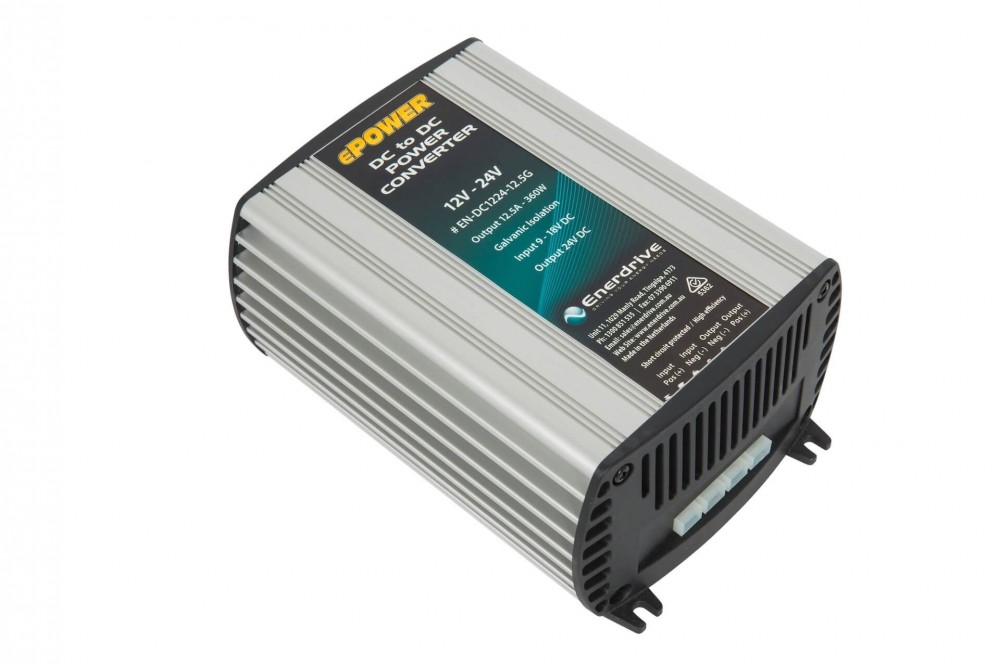
This is where a Solar DC-DC Step Down Converter for 12V DC Appliances becomes essential. It safely reduces higher voltages from your solar setup down to 12V, allowing you to power low-voltage appliances without risk.
Understanding the Role of a Solar DC-DC Step Down Converter
A DC-DC Step Down Converter, also known as a buck converter, is an electronic device that transforms a higher DC voltage into a lower one. In solar systems, it’s commonly used to reduce input from solar panels (which might output 18V–48V or more) down to 12V, which is a standard operating voltage for many small appliances.

Unlike voltage regulators that simply burn off excess energy, buck converters are designed to be efficient—minimizing energy loss while providing a steady output.
Why You Need One in Your Solar System
✅ Appliance Safety
Directly connecting a 12V appliance to a 24V or 36V power source can cause it to overheat, malfunction, or fail completely. A step down converter protects your devices by delivering a precise 12V output.
✅ System Flexibility
If your battery bank or solar panels run at a higher voltage for better efficiency, you’ll still be able to power standard 12V appliances without changing your system design.
✅ Higher Efficiency
DC-DC converters can achieve conversion efficiencies of up to 95%, meaning you lose very little energy in the process—an important factor when every watt counts.
✅ Consistent Performance
Voltage from solar panels fluctuates based on sunlight. A step down converter ensures that your appliances receive a consistent 12V, regardless of these changes.

Where Step Down Converters Are Most Useful
🏠 Off-Grid Homes
In remote homes where the solar system may output 24V or 48V for storage efficiency, converters allow homeowners to safely power 12V lights, fans, and security systems.
🚐 Recreational Vehicles (RVs)
RVs often use solar systems with 24V or 36V battery banks to maximize storage. Many appliances onboard—fridges, TVs, lights—require 12V, making a step down converter a vital component.
🚤 Boats and Yachts
Marine solar setups must be compact and reliable. Boats often use 24V panels for charging batteries, while navigation equipment, lights, and pumps operate on 12V.
🌍 Remote Monitoring & IoT Devices
Solar-powered remote installations like weather stations or cellular boosters frequently require a stable 12V input, even if the solar source produces a much higher voltage.
Key Features to Look for in a Solar DC-DC Step Down Converter
When shopping for a converter, make sure it fits your specific solar setup. Consider the following:
🔌 Wide Input Voltage Range
Choose a converter that accepts a wide range of input voltages, such as 18V to 60V. This ensures it can adapt to solar panel output and various battery configurations.
⚡ Stable 12V Output
Look for a regulated converter that can deliver a clean, constant 12V output, regardless of fluctuations in the input.
🔒 Built-in Protections
High-quality converters offer protections like:
-
Over-voltage shutdown
-
Over-temperature control
-
Short-circuit protection
-
Reverse polarity protection
These features are critical for system safety.
💨 Efficient Cooling
If you plan to run heavy loads or use the system continuously, a converter with a heatsink or built-in fan will help prevent overheating.
🧱 Rugged Build Quality
Outdoor and mobile environments can be harsh. Waterproofing, dust resistance, and shockproof housings can extend the life of your converter.
Installation Tips for Better Performance
Installing a DC-DC converter is straightforward but must be done carefully:
-
Check Compatibility: Match the input range with your solar system’s voltage and the output with your appliance needs.
-
Use Correct Cable Gauges: Undersized wires can lead to overheating and voltage loss.
-
Install a Fuse: Always protect your circuit with a fuse or breaker on the input side.
-
Avoid Overloads: Make sure the converter’s current rating is higher than your total appliance load.
-
Mount for Airflow: Place the converter in a spot with good ventilation if it lacks active cooling.
Recommended Use Cases with Example Appliances
Here’s a quick overview of common 12V devices and where you’d use them:
| Appliance | Use Case | Typical Power (W) |
|---|---|---|
| 12V LED Lights | RVs, boats, cabins | 5–15W per light |
| 12V Fan | Off-grid ventilation | 10–50W |
| 12V Mini Fridge | RVs, camping | 40–60W |
| 12V Router | Remote communications | 10–20W |
| 12V CCTV Cameras | Security systems | 10–30W |
Each of these requires a reliable 12V source, which a solar DC-DC converter can provide even when your system runs on 24V or higher.
Popular Converter Brands to Consider
When quality and safety matter, opt for trusted names:
-
Victron Energy – High-performance converters for professional-grade systems.
-
Renogy – Widely used in RV and DIY setups.
-
Mean Well – Known for industrial-grade reliability.
-
DROK – A go-to for affordable, entry-level solutions.
Look at reviews, tech specs, and safety certifications when making your choice.
Final Thoughts
In a solar-powered world, voltage conversion is as crucial as energy generation. A Solar DC-DC Step Down Converter for 12V DC Appliances is an essential part of any system that runs on higher voltages but needs to power standard 12V devices.
By ensuring voltage compatibility, improving safety, and boosting overall efficiency, a good step down converter lets you build a more versatile and reliable solar setup. Whether you’re living off-grid, traveling in an RV, sailing the seas, or powering a remote monitoring station, this small but powerful device keeps your 12V appliances running smoothly.





