

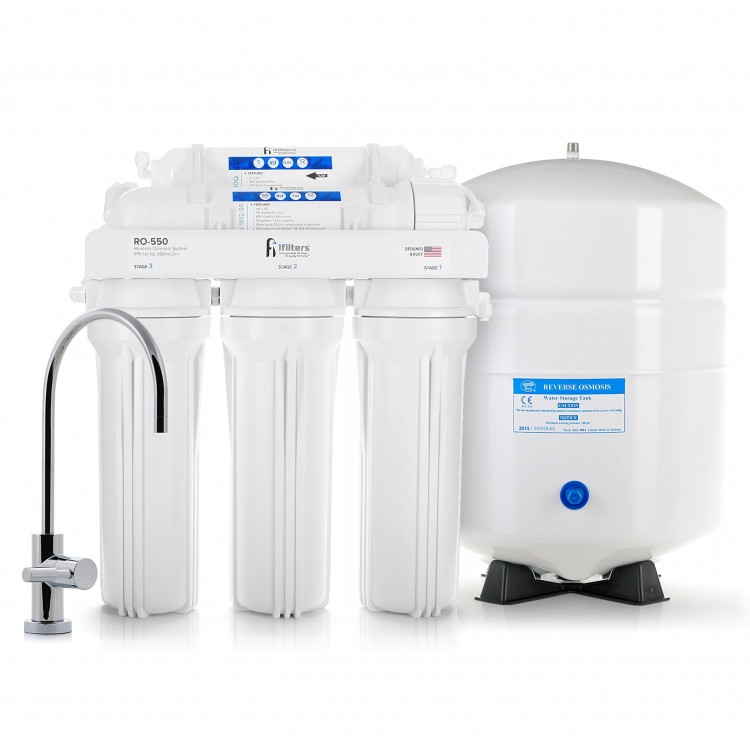
Access to clean, safe water remains a significant challenge in many parts of the world, and Tanzania is no exception. While abundant water sources exist, their quality often varies, presenting hurdles for domestic consumption, industrial processes, and agricultural needs. In this landscape, Reverse Osmosis (RO) systems have emerged as a transformative solution, providing a reliable pathway to high-purity water. By removing dissolved solids, salts, bacteria, and other contaminants, RO technology is proving instrumental in improving public health, boosting economic productivity, and fostering environmental sustainability across various sectors in Tanzania.
Transforming Community Water Access and Livelihoods
One of the most profound impacts of successful RO implementations is seen in rural and semi-urban communities where traditional water sources are often contaminated or highly saline. In regions reliant on boreholes with excessive fluoride, nitrates, or mineral content, RO systems have been deployed to convert otherwise unusable water into potable drinking water. For instance, in a specific project in the Arusha region, a community was severely affected by dental and skeletal fluorosis due to naturally occurring high fluoride levels in their groundwater. The installation of a community-scale RO plant, designed to handle the specific fluoride concentration, dramatically reduced these levels to safe limits, leading to a noticeable improvement in public health outcomes. Residents now have access to clean, palatable water directly from communal kiosks, a significant leap from collecting water from distant, often unsafe, sources. Beyond health, this consistent access has also reduced the time women and children spend fetching water, freeing them for education and economic activities, thus empowering the community on multiple fronts. These projects are not just about technology; they're about empowering communities with a fundamental human right: access to safe drinking water, and fostering socio-economic development.
Boosting Industrial and Commercial Operations Through Precision Water
Beyond direct human consumption, the industrial and commercial sectors in Tanzania are increasingly turning to advanced water purification for their specific needs, understanding that water quality directly impacts their bottom line. Manufacturing plants, particularly in the critical food and beverage industry, require ultra-pure water not just for consistency in product quality but also for protecting expensive equipment and adhering to stringent hygiene standards. A major brewery in Dar es Salaam, for example, invested in a multi-stage RO system to achieve the exact water chemistry required for its brewing process, ensuring consistent product taste. This investment not only guaranteed compliance with national and international health standards but also enhanced the flavor profile of their beverages. Furthermore, the use of demineralized water prevented scale buildup in their boilers and heat exchangers, drastically reducing maintenance costs and unscheduled downtime, which directly translates to higher production efficiency. Similarly, hotels and lodges, especially those in remote or coastal areas where municipal water supply might be unreliable or of poor quality, utilize RO systems extensively. A luxury resort in Zanzibar implemented an RO system to desalinize brackish borehole water, providing high-quality drinking water for guests, water for swimming pools, and general utility, thereby enhancing customer satisfaction. This strategic move ensured a superior guest experience and positioned them as a leader in sustainable tourism by reducing their reliance on external, often trucked-in, water sources. This demonstrates how Reverse Osmosis Systems in Tanzania are not just a compliance measure but a strategic investment for enhancing operational efficiency, product quality, and customer satisfaction across diverse industries.

Supporting Agriculture and Specialized Needs with Tailored Solutions
The benefits of precise water quality extend even to agriculture, a backbone of Tanzania's economy. In regions where irrigation water contains undesirable levels of salinity or specific mineral contaminants, RO systems are being explored to improve crop yields and prevent long-term soil degradation. While large-scale irrigation with RO can be cost-intensive due to volume requirements, targeted applications for high-value crops, nurseries, or hydroponic farms can provide a crucial competitive advantage. For example, a specialized horticultural farm near Morogoro, aiming for export-quality organic produce, invested in a smaller, dedicated RO system to ensure its irrigation water met exact purity standards, preventing issues like leaf burn from high chloride levels. This eliminated nutrient imbalances and enhanced plant health, leading to significantly higher-quality yields and stronger market positioning. This showcases how tailored water solutions can unlock new agricultural potential and support specialized farming practices. Furthermore, critical facilities like hospitals and research laboratories also depend heavily on RO for highly purified or ultra-pure water. In hospitals, RO water is essential for sterilizing medical instruments, preparing dialysis solutions, and accurate laboratory testing, directly impacting patient safety and diagnostic accuracy. A prominent hospital in Mwanza recently upgraded its water treatment facility with an advanced RO system, ensuring a consistent supply of pharmaceutical-grade water crucial for its operating theaters and diagnostic departments. These diverse applications highlight RO's versatility and its indispensable role in supporting specialized, high-purity needs across Tanzania's developing landscape.
Conclusion: A Vision for Sustainable Water Security
These diverse case studies underscore the pivotal role of Reverse Osmosis technology in addressing Tanzania's varied water challenges. From safeguarding public health in villages to optimizing industrial processes and supporting specialized agricultural ventures, RO systems are proving to be a cornerstone of water security and economic development. The successful implementation of these systems often involves a blend of technical expertise in assessing source water, designing appropriate solutions, ensuring proper installation, and providing ongoing maintenance and support. It also requires a clear understanding of local water profiles and specific application requirements. Investing in such advanced water purification solutions is not merely about meeting immediate needs but about building a resilient and sustainable future for Tanzania, ensuring consistent access to a vital resource for generations to come. For companies like Tamgo Tanzania Limited, providing reliable and efficient RO solutions is central to this vision, contributing directly to the nation's progress and well-being.





