

In today’s fast-paced business environment, meetings are both a necessity and a challenge. While they are meant to foster collaboration, align teams, and drive decisions, meetings can often become time-consuming sessions filled with rambling updates and unclear goals. The result? Decreased productivity, disengaged employees, and decision fatigue. However, a growing trend is changing the way professionals approach workplace communication—30-minute meetings.
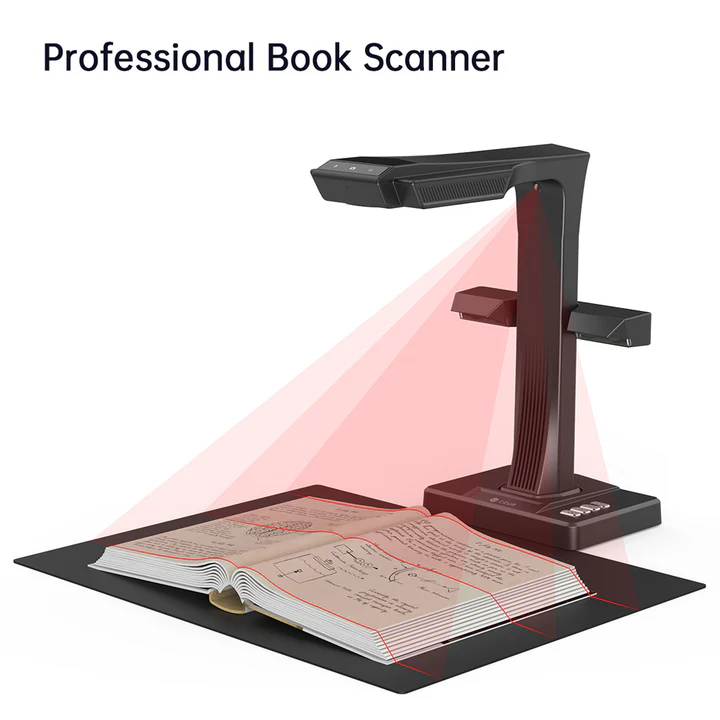
Check out CZUR’s Lens Pro Document Scanner – a sleek and versatile tool perfect for home or office use. With high-resolution scanning and dual functionality, it doubles as a webcam for virtual meetings, making it ideal for productivity, presentations, or remote learning.
These shorter, focused discussions are gaining popularity for good reason. When structured effectively, 30-minute meetings can lead to better outcomes, faster decisions, and a more engaged team. This article explores the benefits of concise meetings and how to harness their power to transform your workplace.

Why Are Traditional Meetings a Problem?
Meetings often stretch beyond their time limit, filled with off-topic discussions or dominated by a few voices. Research shows that the average employee attends 62 meetings per month, and over half of those are considered a waste of time. The costs—both in money and productivity—are staggering.
Traditional hour-long meetings, especially without a clear agenda, frequently:
- Lack focus or purpose
- Overrun their scheduled time
- Drain energy and motivation

- Offer little opportunity for follow-up or accountability
When meetings feel more like obligations than opportunities for collaboration, it’s time to reconsider the format.
The Case for 30-Minute Meetings
Thirty minutes is long enough to share ideas and make decisions—but short enough to maintain attention and urgency. Here are several key advantages of adopting 30-minute discussions:
1. Encourages Focused Communication
With limited time, attendees are forced to stay on topic. A 30-minute window prioritizes only the most important agenda items, cutting out unnecessary chatter or repetitive updates. Teams learn to communicate with intent.
2. Boosts Productivity
By saving time on meetings, employees regain hours in their day to focus on meaningful tasks. Fewer hours spent in conference rooms (physical or virtual) means more time for deep work, creativity, and execution.
3. Reduces Cognitive Fatigue
Long meetings are mentally exhausting. Shorter meetings give the brain a break and reduce burnout. Employees are more alert, retain more information, and contribute better ideas when discussions are brisk and efficient.
4. Improves Decision-Making
When time is tight, decision-making speeds up. Instead of deferring choices to the next meeting, teams are encouraged to make progress within the current session. This promotes a culture of accountability and responsiveness.
5. Increases Engagement
Short meetings feel more valuable. Participants are more likely to show up prepared, participate actively, and remain mentally present when they know the meeting won't drag on.
The CZUR Lens Pro Doc Scanner offers fast, high-quality scanning with OCR support, allowing you to convert documents into editable files instantly. Its compact design fits any workspace, while plug-and-play functionality ensures ease of use. Whether scanning books or hosting video calls, it's a smart, all-in-one solution.
Key Elements of an Effective 30-Minute Meeting
The success of a short meeting lies in its planning and execution. Here’s how to make 30-minute discussions truly impactful:
1. Set a Clear Agenda
Always create and circulate an agenda ahead of time. It should list:
- The purpose of the meeting
- Specific topics to cover
- Desired outcomes or decisions
Time-blocking each section (e.g., 5 minutes for updates, 10 minutes for brainstorming, 10 minutes for decisions) ensures nothing runs over.
2. Define Roles
Clarify who’s leading the meeting, who’s taking notes, and who’s responsible for follow-ups. This eliminates confusion and ensures a smoother flow of conversation.
3. Start on Time, End on Time
Respect everyone’s time by being punctual. If you consistently start and end on time, team members are more likely to treat the meeting seriously and show up ready to contribute.
4. Limit Attendance
Only invite those who truly need to be there. Smaller groups lead to better focus and faster decision-making. Those who just need to be informed can be looped in via email summaries.
5. Use a Timer
Don’t be afraid to timebox the discussion. A visible countdown clock can help keep participants on track and reinforce the importance of brevity.
6. Leave Time for Next Steps
Always reserve the last 5 minutes to summarize the meeting:
- What decisions were made?
- Who is responsible for what?
- What are the deadlines?
This clarity prevents confusion and reinforces accountability.
When Are 30-Minute Meetings Most Effective?
Not every meeting can be compressed into half an hour, but many can. Here are scenarios where shorter meetings shine:
- Daily or Weekly Standups: Keep your team aligned with quick updates and priorities.
- Check-Ins with Team Members: Brief one-on-ones can maintain connection without draining time.
- Project Updates: Share key milestones and resolve blockers without deep dives.
- Brainstorming Sessions: Encourage rapid idea generation with time limits to boost creativity.
- Decision-Making Discussions: Focus on the issue, evaluate solutions, and agree on action.
For more complex topics, it’s better to break up discussions into multiple 30-minute sessions spread across days rather than cramming it all into a long, draining marathon.
Overcoming Resistance to Shorter Meetings
Some leaders may resist 30-minute meetings, believing longer meetings offer more depth or flexibility. However, this resistance is often rooted in habit rather than need. Here's how to overcome pushback:
- Educate your team on the productivity benefits of shorter meetings.
- Start small, such as turning a 60-minute meeting into 45, then gradually to 30.
- Track outcomes and demonstrate how faster meetings still achieve results.
- Offer alternatives like written updates, asynchronous discussions, or quick follow-ups.
With the right mindset and a bit of practice, teams quickly learn to adapt—and even prefer—this leaner approach.
The Ripple Effect of Shorter Meetings
Shortening your meetings doesn’t just improve that single block of time—it has a ripple effect throughout your organization:
- Better time management encourages employees to prioritize tasks and eliminate distractions.
- Improved morale results from reduced meeting fatigue and more control over the workday.
- Increased accountability develops as people prepare better and follow through more often.
It creates a culture where every conversation has a purpose, and every meeting respects people’s time.
Final Thoughts
Meetings are an integral part of modern work—but they don’t need to be long to be effective. The rise of 30-minute meetings reflects a deeper shift toward intentional communication, efficient time management, and agile decision-making.
In a world where time is the most valuable resource, mastering the art of the concise, focused meeting is not just a productivity hack—it’s a leadership skill. Whether you're managing a team, running a startup, or contributing to a corporate project, embracing the power of 30-minute discussions can help you work smarter, energize your team, and drive meaningful outcomes.





