
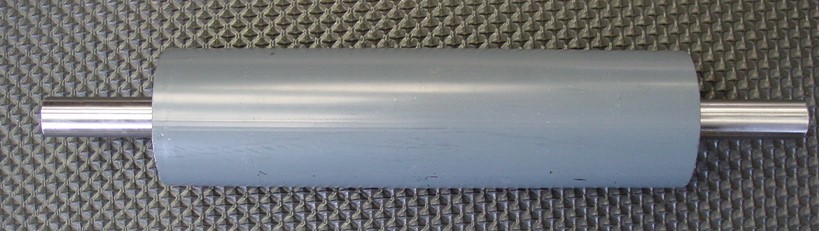
In many bulk material handling operations, the conveyor drum pulley forms the backbone of the belt’s tensioning and movement system. Though designed for rigorous use, specific wear patterns and mechanical issues can cause early failure.
Understanding the common failure points helps prevent unplanned downtime and extend component service life.
Shaft Misalignment and Its Impact
Misalignment between the conveyor drum pulley shaft and surrounding components places uneven stress on bearings, seals, and pulley lagging. Over time, this imbalance leads to premature shaft wear and pulley misbehavior. Shaft misalignment frequently results from improper installation or base movement under load. 
The issue accelerates bearing failure and may cause the entire pulley to wobble or track improperly. Periodic alignment checks using laser or dial indicators help catch deviations early. Even minor offsets can affect the conveyor tail pulley and reduce system performance.
Bearing Wear and Heat Damage
Bearings within a conveyor drum pulley are subject to radial and axial loads. Without proper lubrication or cooling, bearings generate excess heat. Thermal expansion inside the bearing housing can lead to seizing or uneven rolling contact. This friction degrades lubrication and causes heat discoloration, metal fatigue, or cracking. Poor bearing selection, overloading, and misalignment also contribute to wear.
Scheduled thermal checks and acoustic monitoring can help detect early signs of failure. Replacing worn bearings before breakdown reduces the risk of secondary pulley or shaft damage.

Lagging Delamination and Material Buildup
Lagging on a conveyor belt pulley increases friction and grip between the belt and pulley surface. However, lagging materials may delaminate over time due to improper bonding, trapped moisture, or repeated belt tension fluctuations. Delamination exposes the pulley surface and causes belt slippage.
In dusty or sticky environments, lagging can accumulate debris, creating uneven contact zones. This leads to premature belt wear and dynamic imbalance in the pulley rotation. Selecting the right lagging material for environmental conditions and regularly cleaning the pulley surface helps mitigate this problem.
Inspection Tips to Catch Early Warning Signs
Early detection of wear or misalignment can extend the life of a conveyor head pulley. Regular inspections should include:
- Checking for axial movement or pulley wobble during rotation.
- Inspecting the surface for cracks, grooves, or lagging separation.
- Thermal imaging helps identify hot spots near bearings.
- Listening for unusual vibration or grinding sounds during operation.
Operators should document inspection findings to compare wear patterns over time. A maintenance log helps trace recurring problems to root causes, such as overloading or alignment issues.
Material Handling Conditions Influence Failures
The type of material handled impacts the failure rate of a conveyor drum pulley. Abrasive materials accelerate lagging wear, while wet or acidic materials may corrode pulley components. Fast belt speeds and continuous loading cycles introduce thermal and mechanical stresses.
In these scenarios, reinforcing pulley shafts and selecting corrosion-resistant materials can help extend lifespan.
Preventative Steps That Make a Difference
Rather than reacting to pulley damage after it occurs, operations can take preventative steps:
- Use shaft seals and end covers to protect against material ingress.
- Maintain consistent belt tension to avoid unnecessary radial stress.
- Match the conveyor tail pulley and conveyor head pulley specifications to the belt load and system length.
- Replace damaged lagging with quality material suited for the operating environment.
- Monitor pulley alignment during scheduled shutdowns, especially after maintenance or upgrades.
These steps reduce the frequency of failures and stabilize belt performance throughout the material handling cycle.
On an End Note
Understanding failure points in a conveyor drum pulley helps prevent extended outages and unnecessary repair costs. Common causes like shaft misalignment, bearing overheating, and lagging damage can be addressed through routine inspections and component matching.
Heinrich Brothers provides pulley solutions built for demanding applications and assists in preventing downtime with properly configured equipment. For guidance on selecting the proper conveyor pulley, discuss with Heinrich Brothers today.





