

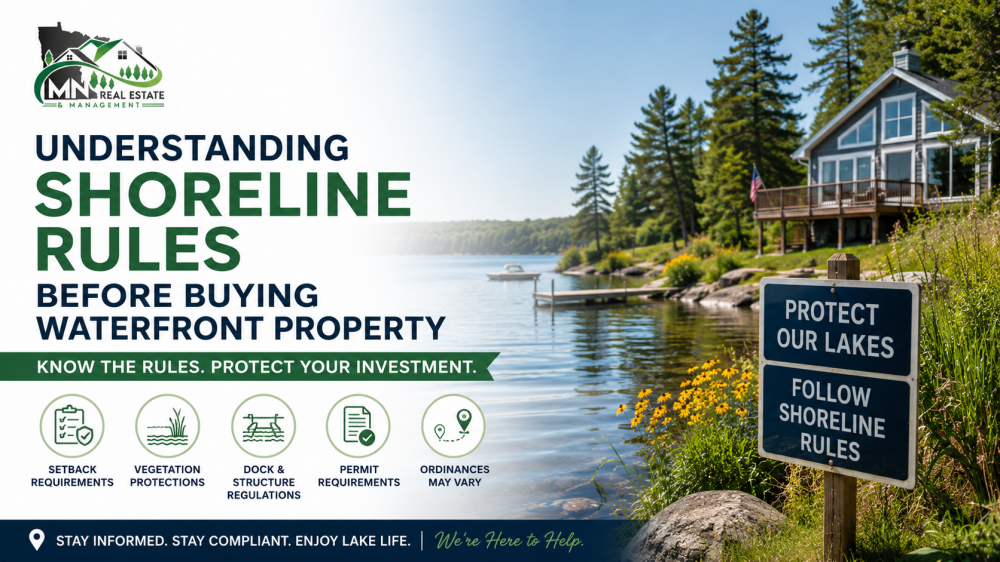
Buying waterfront property feels exciting from the very beginning. Peaceful views, private docks, boating access, and quiet surroundings often attract buyers looking for a long-term investment or a personal retreat. Still, shoreline ownership involves more than scenic beauty. Local regulations, environmental protections, and property use restrictions shape how owners use and maintain waterfront land.
Many buyers exploring lakefront homes for sale in MN focus on location, lake access, and property size first. While those details matter, shoreline regulations deserve equal attention before signing a purchase agreement. A property may look perfect during a showing, though hidden limitations could affect future plans for renovations, docks, landscaping, or rental use.
Why Shoreline Rules Matter Before Purchasing Waterfront Property?
Shoreline regulations protect lakes, rivers, and surrounding ecosystems from erosion, pollution, and overcrowding. Local governments and environmental agencies establish these rules to preserve water quality and maintain safe shoreline development.

Buyers searching for Gull Lake homes for sale often discover that shoreline restrictions differ from standard residential property regulations. Waterfront parcels may include setback requirements, vegetation protections, septic guidelines, and dock limitations that influence how owners use their land.
Understanding these requirements early helps buyers avoid expensive surprises after closing. A property owner may want to expand a deck, build a guest cabin, or install a larger dock later. Without proper research, those plans may face restrictions or require permits.
Setback Requirements Shape Property Use
Setback regulations determine how close structures may sit near the waterline. These rules typically apply to homes, garages, patios, sheds, retaining walls, and other improvements.
Many waterfront buyers assume they may expand existing structures freely. Local shoreline ordinances often limit expansion possibilities near protected waters. Older cabins located close to the shoreline may fall under nonconforming status, meaning future modifications require additional approvals.
When reviewing lakefront homes for sale in MN, buyers should examine whether current buildings comply with local setback regulations. Even small projects like adding a screened porch or extending a deck may require permits.

Setback distances vary based on lake classification and county regulations. Recreational lakes with higher environmental sensitivity often include stricter development standards.
Vegetation Rules Protect Shoreline Stability
Natural vegetation along shorelines plays a major role in preventing erosion and protecting water quality. Trees, shrubs, and native grasses help stabilize soil and reduce runoff entering the lake.
Some waterfront owners prefer open views with minimal vegetation. Local ordinances may restrict large scale shoreline clearing because excessive removal increases erosion risks.
Buyers interested in Gull Lake homes for sale should pay close attention to shoreline vegetation requirements before making landscaping plans. Certain lakes require preservation zones where native plants remain untouched except for approved access paths.
Shoreline restoration programs also continue gaining popularity across Minnesota lake communities. Property owners increasingly replace rock barriers and artificial landscaping with native vegetation designed to improve environmental health.
Dock and Water Access Regulations
Water access often influences waterfront buying decisions more than any other feature. Buyers frequently picture private docks, boat lifts, swimming areas, and recreational equipment along the shoreline.
Dock placement rules differ depending on lake size, shoreline dimensions, and local zoning requirements. Some properties support only limited dock lengths or specific configurations.
Before purchasing lakefront homes for sale in MN, buyers should confirm dock regulations connected to the property. Shared shoreline access, protected bays, or environmental restrictions may affect future use.
Boat houses and permanent structures near the shoreline also face tighter regulations across many lake communities. Older grandfathered structures may remain legal, though replacing or expanding them often requires special approvals.
Understanding these details early helps buyers align expectations with actual property limitations.
Septic Systems Deserve Careful Attention
Septic compliance remains one of the most important considerations for waterfront property buyers. Failing systems contribute to water contamination and create costly repair obligations.
Many older lake homes operate with aging septic systems installed under outdated regulations. Modern environmental standards typically require upgraded systems designed to protect nearby water sources.
Buyers reviewing Gull Lake homes for sale should request septic inspections and compliance records before finalizing a purchase. Replacement costs may become significant depending on lot size, soil conditions, and system accessibility.
Properties with limited space near the shoreline sometimes face challenges meeting updated septic requirements. Buyers planning future additions or increased occupancy should evaluate whether the existing system supports those goals.
Floodplain and Water Level Considerations
Waterfront ownership includes natural fluctuations in lake and river levels. Heavy rainfall, snowmelt, and seasonal changes influence shoreline conditions throughout the year.
Floodplain regulations aim to reduce property damage and environmental risks in vulnerable areas. Some waterfront homes sit within designated flood zones requiring special insurance coverage or development limitations.
When exploring lakefront homes for sale in MN, buyers should review floodplain maps and elevation details carefully. Low shoreline areas may experience periodic flooding, shoreline erosion, or dock damage during high water periods.
Insurance costs also vary significantly depending on flood risk exposure. Buyers benefit from understanding those financial considerations before committing to ownership.
Short Term Rental Rules Continue Evolving
Vacation rentals continue growing across lake communities throughout Minnesota. Many buyers view waterfront homes as both lifestyle properties and investment opportunities.
Short term rental regulations differ widely between counties, townships, and lake associations. Certain areas allow vacation rentals freely, while others limit occupancy, parking, licensing, or rental frequency.
Buyers considering Gull Lake homes for sale for investment purposes should research current rental ordinances thoroughly. Local regulations may change over time as communities balance tourism growth with neighborhood concerns.
Understanding rental restrictions before purchase protects buyers from investing in properties that do not support intended income strategies.
Shoreline Erosion and Maintenance Responsibilities
Erosion affects many waterfront properties over time. Wave action, storms, runoff, and changing water levels gradually reshape shorelines.
Property owners often need professional guidance before installing retaining walls, riprap, or erosion control systems. Environmental permits may apply depending on shoreline conditions and proposed improvements.
Buyers looking at lakefront homes for sale in MN should inspect shoreline stability during property tours. Steep slopes, exposed roots, or deteriorating retaining walls may signal future maintenance expenses.
Routine shoreline maintenance also influences long term property value. Well managed waterfront land generally supports stronger resale appeal and healthier environmental conditions.
Lake Associations Influence Ownership Experience
Many waterfront communities include active lake associations focused on environmental stewardship and community standards. These organizations often provide education, conservation programs, and local advocacy.
Association guidelines may influence dock placement, shoreline alterations, weed treatment practices, and community water use policies.
Buyers exploring Gull Lake homes for sale benefit from reviewing lake association information before purchasing. Understanding community expectations helps buyers determine whether the property aligns with their lifestyle preferences.
Some associations remain highly involved in shoreline preservation efforts, while others focus mainly on community events and communication.
Professional Research Supports Smarter Decisions
Waterfront transactions involve layers of environmental, legal, and zoning considerations. Buyers who rely only on visual impressions during showings may overlook important restrictions affecting long term ownership.
Researching permits, surveys, septic compliance, zoning maps, and shoreline ordinances creates a clearer picture of the property. Local inspectors, surveyors, and environmental specialists often help buyers evaluate potential concerns before closing.
Anyone considering lakefront homes for sale in MN should approach waterfront purchases with careful preparation rather than emotional urgency. A beautiful lake view deserves equal support from practical research and realistic expectations.
Conclusion
Waterfront ownership offers privacy, recreation, and long-term value when buyers understand shoreline responsibilities from the beginning. Setback requirements, vegetation protections, septic standards, rental regulations, and erosion management all influence how owners experience and maintain lake property.
Buyers exploring lakefront homes for sale in MN or researching Gull Lake homes for sale benefit from taking time to study local shoreline regulations before purchasing. A well-informed decision supports smoother ownership, protects future property value, and helps preserve Minnesota’s lakes for years ahead.





