When most people think of chainsaws today, they imagine powerful tools used in forestry, construction, or home improvement. However, the history behind this machine is far more unexpected. Exploring what was the original use of a chainsaw reveals a fascinating and somewhat surprising origin that has little to do with cutting trees. Understanding this history not only adds depth to our knowledge of modern tools but also highlights how innovation evolves across different fields.
The Early Invention of the Chainsaw
Medical Origins in the 18th Century
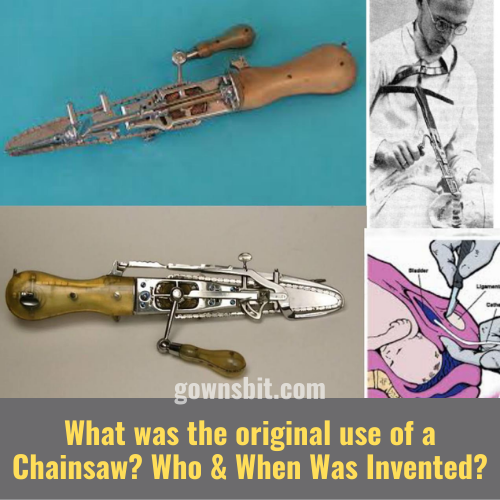
The earliest version of the chainsaw was not designed for woodworking at all. Instead, it was invented in the late 18th century for use in medical procedures. Two Scottish doctors, John Aitken and James Jeffray, developed a hand-cranked instrument to assist in childbirth. This device was used during a procedure known as Symphysiotomy, which involved cutting cartilage and bone to widen the pelvis when complications arose during delivery.
Design of the Early Chainsaw
Unlike modern chainsaws, this early version was small and manually operated. It featured a chain with tiny serrated teeth attached to a rotating handle. While it may sound primitive, it was considered a significant advancement in surgical tools at the time, offering more precision than traditional knives or saws.

Understanding the Purpose Behind Its Creation
Why It Was Needed
Childbirth in the 18th century was often life-threatening due to limited medical knowledge and tools. The invention of this device aimed to make difficult deliveries safer and more manageable. When examining what was the original use of a chainsaw, it becomes clear that its purpose was rooted in improving medical outcomes rather than industrial efficiency.
Evolution in Medical Practice
Over time, medical techniques improved, and safer alternatives such as cesarean sections became more common. As a result, the original surgical chainsaw gradually fell out of use in the medical field.
Transition from Medicine to Industry
Adaptation for Woodcutting
By the 19th century, inventors began adapting the chainsaw concept for industrial purposes. The idea of a chain with cutting teeth proved highly effective for slicing through wood. This marked a turning point in the tool’s history, shifting its primary function from medicine to forestry and construction.
Development of Modern Chainsaws
The chainsaw continued to evolve with technological advancements. The introduction of gasoline-powered engines in the early 20th century transformed it into a powerful and efficient machine. Today, chainsaws are widely used in logging, landscaping, and emergency rescue operations.
Technological Advancements Over Time
From Manual to Motorized
Early industrial chainsaws were still bulky and required multiple operators. However, innovations in engine design and materials eventually led to lightweight, portable models that could be used by a single person.

Safety Improvements
Modern chainsaws are equipped with numerous safety features, including chain brakes, anti-vibration systems, and protective guards. These improvements make them far safer than both their medical and early industrial predecessors.
Cultural and Historical Significance
A Tool with an Unusual Past
The story behind what was the original use of a chainsaw often surprises people because it contrasts so sharply with its current use. This transformation highlights how tools can evolve dramatically over time, adapting to new needs and technologies.
Lessons from Its Evolution
The chainsaw’s journey from a medical instrument to a powerful industrial tool demonstrates the importance of innovation and adaptability. It also reflects how solutions in one field can inspire breakthroughs in another.
Conclusion
Understanding what was the original use of a chainsaw provides a unique perspective on how tools evolve over time. From its origins as a medical instrument designed to assist in childbirth to its current role as a powerful cutting machine, the chainsaw has undergone a remarkable transformation. This journey reflects human ingenuity and the ability to repurpose ideas across different domains.