

“Wine is bottled poetry.” That’s a famous saying, and it fits perfectly when you start exploring wine. But if you’re a beginner, it can feel confusing at first. Red, white, sweet, dry… where do you even begin?
The thing is, wine is not complicated once you understand the basics. You just need to match taste, style, and occasion. Even terms like Caymus wine price and Cabernet Sauvignon wine price often come up when people start exploring premium wines, but everything becomes clearer once you understand the foundation.

So let’s break it down in a simple, friendly way.
Start with the Big Three Wine Types
First things first. Most wines fall into three main categories: red, white, and sparkling.
Red wines are bold and rich. White wines are crisp and refreshing. Sparkling wines are light and celebratory. That’s your base map.
When people search for Opus One wine price, they are usually stepping into the world of premium red wines. These wines are known for depth, structure, and aging potential. But before luxury wines, it’s important to understand the basics of everyday styles.
Think of wine like music. Some are soft tunes. Some are strong beats. And some are full orchestras.

Red Wines: Bold, Deep & Full of Character
Red wines are made from dark grapes with skins, which gives them color and richness. They often feel stronger and more layered.
One of the most popular red wine types is Cabernet Sauvignon. It is bold, dry, and packed with dark fruit flavors. When people explore the Cabernet Sauvignon wine price, they are usually comparing everyday bottles to premium ones.
This wine pairs well with grilled food, steaks, and rich sauces. It’s a classic choice for dinner tables.
Then comes Pinot Noir. It is lighter, smoother, and easier for beginners. It feels silky and soft on the palate. Many first-time wine drinkers start here because it is not too intense.
When you check Pinot Noir wine price, you will notice it varies widely, from budget-friendly bottles to elegant premium ones. That’s because Pinot Noir adapts to different regions and winemaking styles.
So in simple words:
- Cabernet Sauvignon = bold and strong
- Pinot Noir = light and smooth
White Wines: Fresh, Crisp & Easy to Drink
White wines are lighter and more refreshing. They are made without grape skins, which keeps them clean and bright in taste.
Sauvignon Blanc is one of the easiest white wines for beginners. It tastes citrusy, zesty, and fresh. It is perfect for warm days, salads, and seafood.
When people look up Sauvignon Blanc wine price, they are often comparing affordable daily wines with slightly premium bottles from famous regions. The good thing is, this wine is widely available in almost every price range.
White wines are great when you want something simple, refreshing, and not too heavy. Think of them as the “easy-going” personality of the wine world.
Luxury Wines: Where Taste Meets Prestige
Now let’s talk about the luxury side of wine. This is where things get more serious and collectible.
Wines like Caymus and Opus One are known worldwide for their quality and reputation. They are not just drinks. They are experiences.
For example, when people search for Caymus wine price, they are usually exploring premium Napa Valley Cabernet Sauvignon. It is rich, smooth, and often considered a luxury red wine for special occasions.
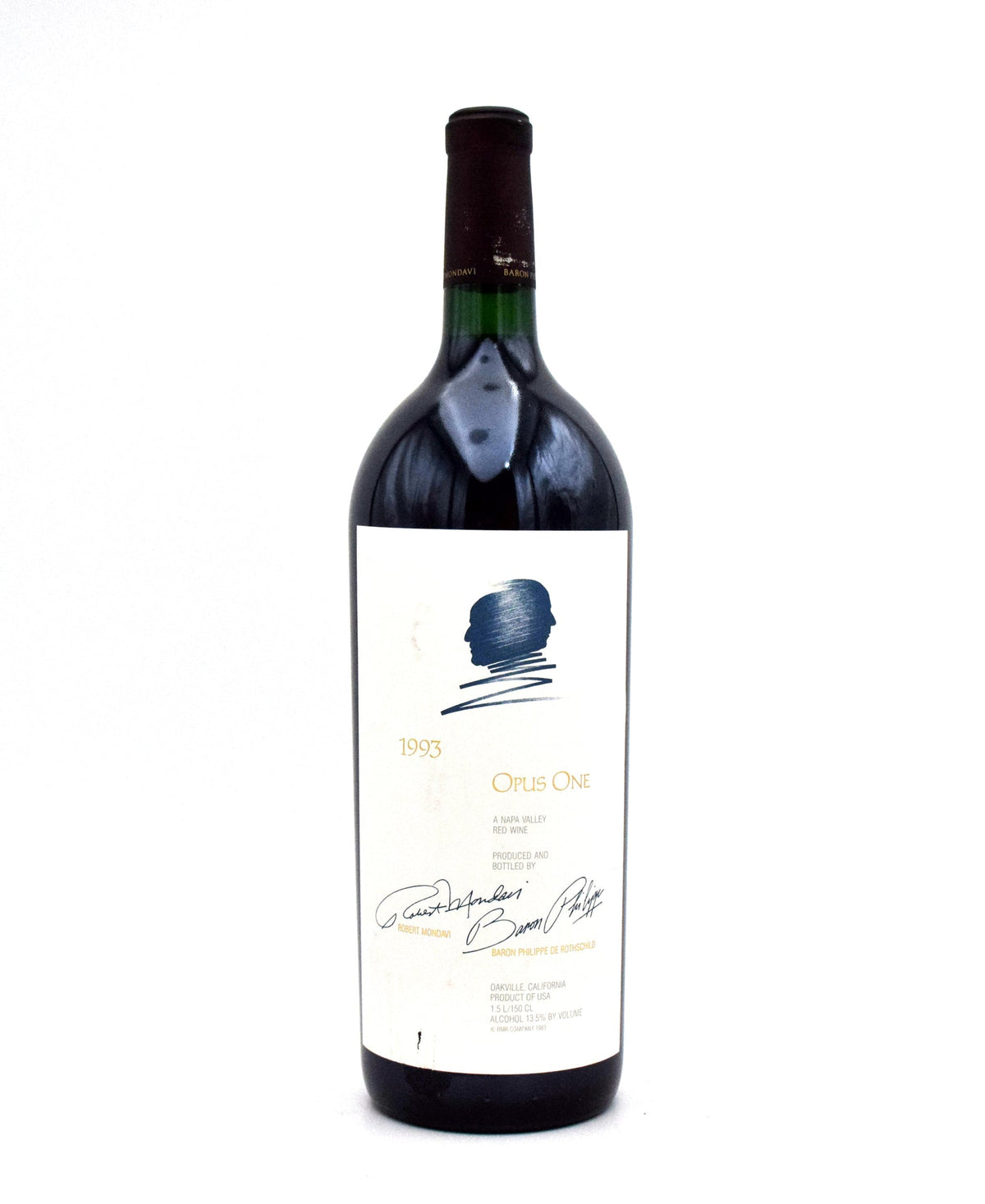
Similarly, the Opus One wine price is often searched by wine lovers who want to understand one of the most iconic wines in the world. It is a blend that represents craftsmanship, aging, and exclusivity.
These wines are usually reserved for celebrations, gifting, or fine dining experiences.
So remember:
- Caymus = premium Napa Cabernet experience
- Opus One = ultra-luxury collector wine
How Taste Really Works in Wine
Taste in wine depends on three main things:
- Sweetness
- Body (light or heavy feel)
- Acidity (freshness or sharpness)
Red wines like Cabernet Sauvignon feel heavier. Pinot Noir feels lighter. Sauvignon Blanc feels crisp. Luxury wines like Caymus feel richer and more layered.
The key is simple. Don’t overthink it. Your taste will evolve with time. Wine is not about getting it right. It’s about discovering what you enjoy.
Final Sip: Keep It Simple, Keep It Enjoyable
Wine is not a test. It’s an experience. Every bottle tells a story, whether it’s a casual Pinot Noir or a luxury Opus One. As a beginner, the goal is not to know everything. The goal is to enjoy the journey, one glass at a time.
So next time you pick a bottle, slow down. Read the label. Think about the moment. And choose the wine that matches your mood. The best wine is the one that feels effortless—like it was made for your moment, not just your budget.





