

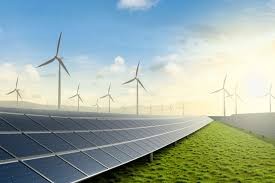
The world is facing one of the most defining challenges of our time: the global energy crisis. Rising fuel prices, supply chain disruptions, climate concerns, growing electricity demand, and dependence on conventional resources have pushed nations to rethink how energy is produced and delivered. In this changing landscape, renewable energy companies are emerging as problem-solvers, innovators, and long-term growth drivers.
From utility-scale solar parks to wind farms, battery storage systems, and smart grids, renewable businesses are creating cleaner and more reliable alternatives to traditional power systems. They are not only reducing dependence on fossil fuels but also helping countries improve energy security and economic resilience.
Today, the role of renewable energy companies goes far beyond installing solar panels or wind turbines. They are redesigning how the world powers homes, industries, transport systems, and future cities.

Understanding the Global Energy Crisis
The global energy crisis is driven by multiple factors working at once:
- Rising population and energy demand
- Volatile oil and gas prices
- Dependence on imported fuels
- Geopolitical uncertainty
- Climate change pressures
- Aging power infrastructure
- Need for cleaner electricity generation
Traditional energy systems often struggle to keep pace with modern demand. This has created an urgent need for scalable and sustainable alternatives.
That is where renewable energy companies are making a measurable difference.
Why Renewable Energy Companies Matter More Than Ever
Renewable energy businesses provide access to power generated from naturally replenished sources such as sunlight, wind, hydro, and biomass. Unlike fossil fuels, these resources do not run out and can reduce emissions significantly.
Their growing importance comes from their ability to solve three major challenges simultaneously:

- Clean energy generation
- Long-term cost stability
- Stronger energy independence
This makes renewable power one of the most practical responses to today’s energy uncertainty.
1. Reducing Dependence on Fossil Fuels
Many economies still rely heavily on coal, oil, and natural gas imports. Price shocks or global conflicts can disrupt supply and create inflation across industries.
Renewable energy companies help reduce this dependence by creating local power generation assets such as:
- Solar plants
- Wind farms
- Rooftop solar systems
- Hybrid energy parks
- Decentralized microgrids
This strengthens national energy security while lowering exposure to global fuel volatility.
2. Lowering Energy Costs Over Time
One of the biggest myths about renewable energy is that it is expensive. While installation requires investment, long-term operating costs are often lower than conventional systems.
Solar and wind systems require no fuel purchases, which creates predictable costs over time.
This helps:
- Industries lower operating expenses
- Businesses manage energy budgets
- Governments reduce subsidy burdens
- Households save on electricity bills
As technology improves, clean energy becomes even more competitive.
3. Supporting a Smarter Renewable Energy Model
Modern clean energy is not just about generation. It is about intelligent planning, integration, and optimization. A strong renewable energy model includes:
- Solar + storage systems
- Wind + grid balancing
- Smart demand management
- Digital monitoring tools
- Hybrid renewable assets
- Decentralized energy networks
This modern model ensures reliable supply rather than isolated generation.
The future belongs to systems that are both green and smart.
4. Creating Jobs and Economic Growth
Renewable energy expansion creates employment across multiple sectors.
These include:
- Engineering
- Manufacturing
- Construction
- Maintenance
- Technology services
- Grid infrastructure
- Project management
As countries invest in clean power, they also build domestic industries.
That is why renewable energy is not only an environmental solution-it is an economic opportunity.
5. Solving Rural and Remote Power Challenges
Millions of people globally still face unreliable electricity access. Extending traditional grids to remote areas can be costly and slow.
Renewable energy companies solve this through:
- Mini-grids
- Solar home systems
- Community battery systems
- Rural electrification models
These solutions bring electricity to underserved areas faster and more affordably.
Energy access often leads to better healthcare, education, and local business growth.
The Role of EPC Expertise in Renewable Growth
Clean energy success depends on execution quality. Building projects on time, safely, and efficiently requires engineering excellence.
That is why the top epc companies in india are playing a major role in renewable deployment.
EPC partners manage:
- Design and engineering
- Procurement
- Construction
- Grid integration
- Commissioning
- Performance readiness
Without execution strength, even strong renewable plans can face delays.
Why Solar EPC Companies Are in Demand
Solar remains one of the fastest-growing clean energy segments globally. Large utility plants, industrial rooftop systems, and hybrid projects all need specialized expertise.
Leading solar epc companies help clients deliver projects with speed, quality, and scalability.
They support:
- Site planning
- Module selection
- Electrical systems integration
- Safety compliance
- Performance optimization
- O&M readiness
As solar demand rises, EPC capability becomes a competitive advantage.
How Renewable Companies Help Grid Stability
A common concern is whether renewables can provide reliable supply. The answer lies in better infrastructure.
Renewable companies now invest in:
- Battery Energy Storage Systems (BESS)
- Smart grids
- Demand response tools
- Forecasting software
- Hybrid systems
- Advanced substations
This means clean power can be more dependable than ever when paired with the right systems.
Challenges Still Ahead
Despite rapid growth, the sector still faces challenges:
- Land acquisition delays
- Financing complexity
- Policy uncertainty
- Grid readiness gaps
- Supply chain pressure
- Skilled workforce shortages
However, innovation and investment continue to address these issues each year.
Why the Future Looks Bright
The next decade will likely be defined by clean energy leadership. Countries want independence, affordability, resilience, and lower emissions.
Renewable energy companies are uniquely positioned to deliver all four.
They are no longer alternative players-they are becoming mainstream energy leaders.
Why Hartek Group Supports the Energy Transition
At Hartek Group, we believe the future of energy lies in intelligent infrastructure, reliable execution, and sustainable innovation. With deep expertise across power systems and renewable solutions, Hartek Group contributes to building a stronger and cleaner energy ecosystem.
As demand grows for scalable clean power, experienced partners will shape the next generation of energy success.
Explore how Hartek Group is powering the future through advanced renewable and power infrastructure solutions.
Frequently Asked Questions (FAQs)
1. How are renewable energy companies solving the energy crisis?
They reduce dependence on fossil fuels, lower long-term costs, improve energy access, and build cleaner power systems.
2. What is a renewable energy model?
A renewable energy model combines generation, storage, digital tools, and grid integration for reliable clean energy delivery.
3. Why are top EPC companies in India important?
They ensure renewable projects are engineered, built, and commissioned efficiently and on schedule.
4. What do solar EPC companies do?
Solar EPC companies handle design, procurement, construction, and delivery of solar power projects.
5. Are renewable systems reliable enough for the future?
Yes. With storage, smart grids, and modern infrastructure, renewable systems are becoming highly reliable and scalable.





