

Introduction
What Does CVT Stand For?
CVT stands for Continuously Variable Transmission. A CVT Transmission is a type of drivetrain that moves seamlessly through an infinite range of gear ratios, unlike traditional gearboxes that shift between a fixed number of steps. This allows the engine to stay at its most efficient speed regardless of how fast the vehicle is traveling, making it one of the most innovative developments in modern automotive engineering.
Why CVT Transmissions Are Popular Today
Over the past decade, automakers have turned to this technology in large numbers because it helps vehicles meet increasingly strict fuel economy standards. Drivers also appreciate the smooth, uninterrupted power delivery that makes city commuting and highway cruising noticeably more comfortable. From compact sedans to crossover SUVs, you will find this drivetrain option across nearly every vehicle segment today.

Difference Between CVT and Automatic Transmission
A traditional automatic uses a set number of fixed gears typically six, eight, or ten and physically shifts between them. A CVT Transmission, by contrast, uses a belt-and-pulley system that adjusts continuously, eliminating the slight jerk you feel during a gear change. The result is a seamless acceleration curve that a standard automatic simply cannot replicate.
How It Work
Main Components of a CVT System
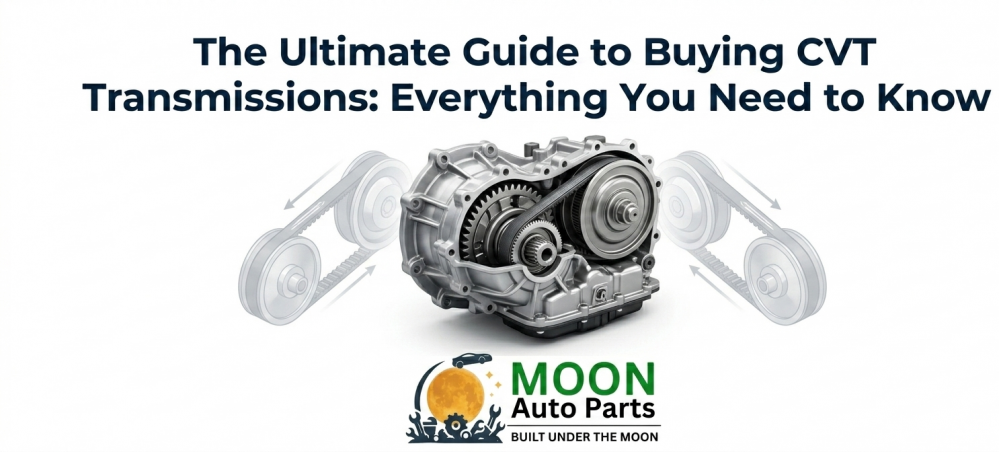
The core of any continuously variable drivetrain consists of two variable-diameter pulleys connected by a steel or rubber belt or chain. One pulley is connected to the engine (the drive pulley), and the other is connected to the wheels (the driven pulley). A hydraulic or electronic control system adjusts the diameter of each pulley in real time.
Belt and Pulley Mechanism Explained
When you accelerate gently, the drive pulley widens while the driven pulley narrows, creating a "low gear" effect for smooth takeoff. As speed increases, the process reverses — the drive pulley narrows and the driven pulley widens — effectively simulating a "high gear" for efficient cruising. Because this transition happens without fixed steps, the engine can always operate at its ideal RPM range.
Common Vehicles That Use CVT Systems
Many popular models rely on this technology today, including the Nissan Altima, Toyota Corolla (with the e-CVT hybrid variant), Honda CR-V, Subaru Outback, and Mitsubishi Eclipse Cross. Hybrid vehicles also use a related electronic version because it pairs naturally with electric motor assistance.
Benefits and Drawbacks
Fuel Efficiency Advantages
One of the clearest reasons automakers favor this system is its ability to improve fuel economy. Because the engine is never forced into an inefficient gear, it consumes less fuel during everyday driving. Many drivers report a noticeable improvement in miles per gallon after switching from a vehicle with a conventional gearbox.
Smooth Driving Experience
The absence of gear shifts means the ride is exceptionally smooth, especially in stop-and-go traffic. There is no hesitation, no lurching, and no hunting for the right gear on a hill. For daily commuters and long-distance drivers alike, this translates to a noticeably relaxed experience behind the wheel.
Common CVT Problems You Should Know
Despite its advantages, this drivetrain type does come with known weaknesses. Overheating is one of the most common issues, especially when towing or driving aggressively. Some owners report a "rubber band" sensation during hard acceleration the engine revs high while the vehicle accelerates more slowly than expected. Fluid degradation is another frequent culprit; using the wrong fluid or skipping scheduled changes can dramatically shorten the unit's lifespan. Repair costs can also be significantly higher than those for a conventional automatic, so proactive maintenance matters a great deal.
Things to Check Before Buying
New vs Used CVT Transmission
When shopping for a replacement unit, the choice between new and used comes down to budget versus risk. A new offers peace of mind and a full manufacturer warranty, but the price is considerably higher. A used or remanufactured unit can save you thousands of dollars upfront, provided you verify its history and condition thoroughly before purchasing.
Checking Mileage and Condition
For a used unit, always ask for documented mileage. Anything above 80,000 miles deserves extra scrutiny. Request evidence of regular fluid changes, and if possible, have a mechanic inspect the unit before you commit. Look for signs of metal shavings in the fluid, unusual noise reports, or prior overheating events — all red flags that point to hidden damage.
Importance of Warranty Coverage
Never purchase a replacement unit without some form of warranty. Reputable sellers typically offer coverage ranging from 90 days to four years depending on whether the unit is new, remanufactured, or used. A strong warranty signals that the seller stands behind their product. Read the fine print carefully —some warranties are voided if installation is performed by an uncertified mechanic.
Compatibility With Your Vehicle Model
Compatibility is non-negotiable. Even two vehicles from the same manufacturer can require entirely different units depending on the model year, engine size, and trim level. Always verify the exact part number against your vehicle's VIN before placing an order. A small mismatch can result in a unit that physically fits but causes severe electronic or hydraulic errors.
Where to Buy Reliable CVT Transmissions
Online Auto Parts Stores
Several large online retailers offer both new and remanufactured units with detailed fitment guides. Websites like TransmissionPro, Swap Motors, and similar platforms allow you to filter by year, make, model, and engine. Many offer free shipping and include a core charge refund policy when you return your old unit.
Local Salvage Yards and Dealerships
Salvage yards can be a surprisingly good source for low-mileage units pulled from vehicles that were totaled due to body damage rather than mechanical failure. Dealerships, on the other hand, offer OEM units with factory warranties but at a premium price. Both options have merit depending on how quickly you need the part and what your budget allows.
How to Choose a Trusted Seller
Look for sellers with verified reviews, a physical business address, and a clearly stated return policy. A company that has been operating for several years and specializes in drivetrain components will generally be far more reliable than a general-purpose used parts warehouse. One supplier worth considering is Moon Auto Parts, which has built a solid reputation for stocking quality used and remanufactured drivetrain units with transparent mileage disclosures and helpful customer support. Sourcing from a trustworthy supplier like Moon Auto Parts can save you both money and significant frustration down the road.
Questions to Ask Before Buying
Before finalizing any purchase, ask the seller the following: What is the exact mileage on the unit? Has it been tested or inspected? What does the warranty cover, and how long does it last? Is installation support or technical documentation available? Is there a return or exchange policy if the unit does not fit? Getting clear answers to each of these questions protects your investment significantly.
Cost and Installation Guide for CVT Transmissions
Average Transmission Replacement Cost
Replacement costs vary widely based on the vehicle, the type of unit purchased, and your geographic location. A remanufactured unit typically ranges from $1,500 to $3,500 for the part alone. A new OEM unit from a dealership can push that figure to $4,000 to $6,000 or more. Used units from salvage yards may be available for as little as $800 to $1,500, though the risk is higher.
Factors That Affect Pricing
Several variables affect the final price: the vehicle's brand and model (Japanese imports tend to be more affordable), whether the unit is new, remanufactured, or used, shipping distance, and whether the core charge is included. Labor rates in your area will also add $500 to $1,500 to the total, depending on the complexity of the job and the shop you choose.
Professional Installation vs DIY
Unless you have significant mechanical experience and access to proper equipment, professional installation is strongly recommended. Incorrect installation can damage internal components, trip fault codes, or void your warranty entirely. A certified transmission shop will also perform a road test after installation to confirm everything is functioning as expected. For most vehicle owners, the added peace of mind from professional labor is well worth the cost.
Conclusion
Final Tips Before Purchasing a CVT Transmission
Do your research before spending a single dollar. Confirm compatibility, verify the seller's credibility, understand the warranty terms, and budget for professional installation. Suppliers like Moon Auto Parts offer a dependable starting point for sourcing quality engine and Transmisson at competitive prices. Taking the time to ask the right questions upfront will help you avoid costly mistakes and get your vehicle back on the road faster.
How to Get the Best Value for Your Money
The best value does not always mean the lowest price. A slightly more expensive unit from a trustworthy supplier with a solid warranty will almost always cost less in the long run than a cheap unit that fails within months. Compare at least three sellers, read independent reviews, and never skip the compatibility check. With the right preparation and the right source, replacing this critical drivetrain component can be a smooth and stress-free process.





