

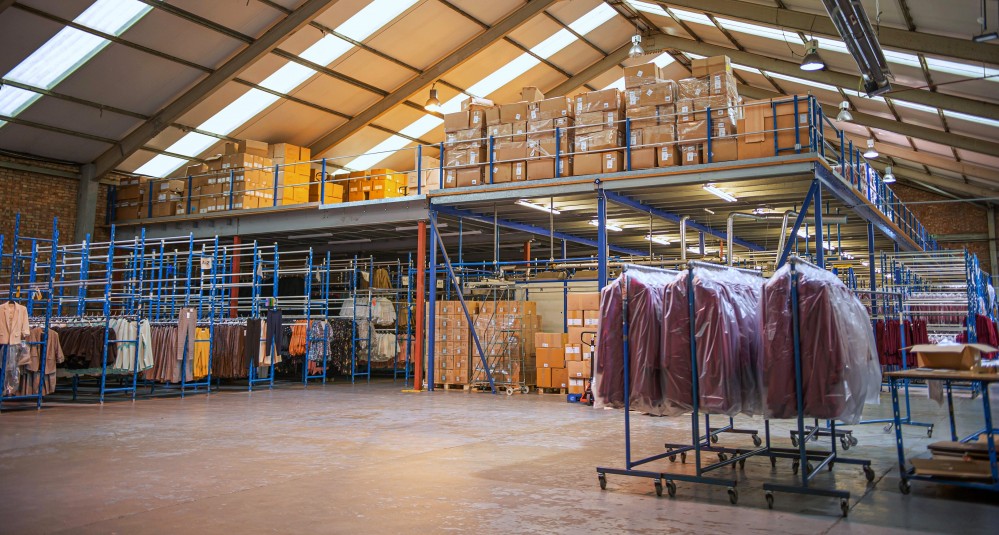
The garment logistics fashion industry plays a major role in moving clothing products from manufacturers to retailers and customers around the world. From transportation and warehousing to packaging and distribution, every stage of logistics contributes to environmental impact. As sustainability becomes increasingly important, fashion businesses are now focusing on reducing their carbon footprint through greener logistics practices. By adopting eco-friendly methods, companies can improve efficiency, lower emissions, and meet growing consumer demand for responsible fashion operations.
The Environmental Impact of Garment Logistics
Garment logistics involves multiple processes, including transportation, storage, packaging, and inventory management. These operations often rely heavily on fuel-powered vehicles, energy-intensive warehouses, and excessive packaging materials. As a result, the fashion industry contributes significantly to greenhouse gas emissions and environmental pollution.
Air freight, long-distance transportation, and inefficient supply chain management increase carbon emissions considerably. In addition, single-use plastic packaging and waste generated during logistics operations create further environmental concerns. With the global fashion market continuing to expand, reducing the environmental impact of garment logistics has become essential for long-term sustainability.

Sustainable Transportation Solutions
Transportation is one of the largest contributors to carbon emissions in garment logistics. To reduce environmental impact, many fashion companies are shifting towards greener transportation methods. Optimising delivery routes, consolidating shipments, and using fuel-efficient vehicles can significantly lower emissions.
Rail and sea freight are increasingly preferred over air transport because they produce fewer carbon emissions. Electric delivery vehicles and hybrid trucks are also becoming popular in the logistics sector. By planning smarter transportation systems, fashion businesses can reduce fuel consumption while maintaining efficient delivery schedules.
Local sourcing and regional distribution centres also help minimise transportation distances. Shorter supply chains not only reduce emissions but also improve delivery speed and operational efficiency.
Energy-Efficient Warehousing
Warehouses play an important role in garment logistics, but they can consume large amounts of energy through lighting, heating, cooling, and machinery operation. Sustainable warehousing practices help reduce energy usage and environmental impact.
Many modern warehouses now use LED lighting, solar panels, and energy-efficient equipment to reduce electricity consumption. Smart warehouse management systems can monitor energy usage and optimise operations for better efficiency. Proper insulation and ventilation systems also help minimise energy waste.
Automation technology further improves warehouse sustainability by streamlining inventory handling and reducing unnecessary operational activities. These improvements not only lower carbon emissions but also reduce operational costs for fashion businesses.
Eco-Friendly Packaging Practices
Packaging waste is another major challenge in the garment logistics fashion industry. Excessive use of plastic bags, wrapping materials, and cardboard packaging contributes to landfill waste and pollution. Sustainable packaging solutions are becoming essential for environmentally responsible logistics operations.
Fashion companies are increasingly using recyclable, biodegradable, and reusable packaging materials to minimise waste. Reducing unnecessary packaging and adopting minimal packaging designs can also lower material consumption and shipping weight. Lightweight packaging helps reduce fuel usage during transportation, further decreasing carbon emissions.
Reusable garment bags and recycled paper packaging are effective alternatives that support both sustainability goals and brand reputation. Consumers are more likely to support businesses that demonstrate a commitment to environmentally friendly packaging practices.
Digital Technology and Supply Chain Optimisation
Technology plays a crucial role in reducing the carbon footprint of garment logistics. Digital supply chain management systems improve visibility, efficiency, and coordination throughout the logistics process. Real-time tracking and data analysis help businesses identify inefficiencies and reduce unnecessary transportation and storage activities.
Inventory management software can prevent overproduction and reduce excess stock, which often leads to waste. Predictive analytics helps companies plan demand more accurately, minimising unnecessary shipments and warehouse space usage.
Cloud-based communication systems also reduce paperwork and improve operational efficiency. By integrating digital technologies into logistics operations, fashion businesses can achieve both sustainability and cost-saving benefits.
The Importance of Collaboration and Sustainability Goals
Reducing the carbon footprint in garment logistics requires collaboration across the entire supply chain. Manufacturers, logistics providers, retailers, and suppliers must work together to achieve sustainability targets. Clear environmental policies and shared sustainability goals encourage responsible practices throughout the industry.
Many fashion brands are now partnering with green logistics providers that prioritise low-emission transportation, sustainable warehousing, and environmentally friendly packaging. Industry certifications and sustainability reporting also help businesses measure and improve their environmental performance.
Training employees on sustainable logistics practices further strengthens long-term environmental responsibility. Building a culture of sustainability within the organisation encourages continuous improvement and innovation.
Conclusion
The garment logistics fashion industry has a significant influence on environmental sustainability. By adopting green practices such as sustainable transportation, energy-efficient warehousing, eco-friendly packaging, and digital supply chain management, fashion businesses can greatly reduce their carbon footprint. Sustainable logistics not only benefits the environment but also improves operational efficiency, brand image, and customer trust. As environmental concerns continue to shape the fashion industry, investing in greener logistics solutions will become increasingly important for long-term success and responsible business growth.





