

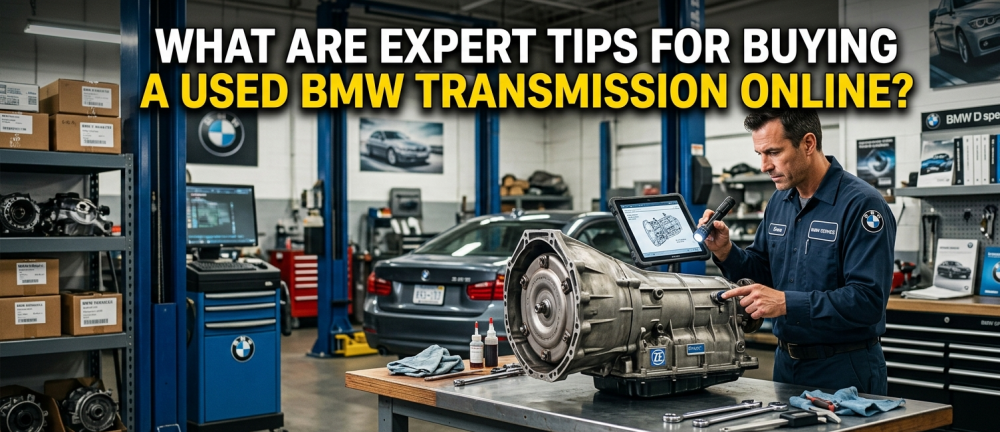
Buying a Used BMW Transmission Online can save you a significant amount of money compared to purchasing a brand-new unit from a dealership, but it also comes with its own set of risks if you do not know exactly what to look for. BMW vehicles are precision-engineered machines, and their transmissions are complex, highly calibrated components that must meet specific standards to perform correctly. A wrong purchase can result in fitment issues, hidden mechanical damage, or a unit that fails shortly after installation, leaving you with repair bills that far exceed whatever you saved on the initial purchase. The good news is that with the right knowledge and a careful approach, buying BMW Transmission online can be both safe and rewarding. This guide covers seven expert tips that will help you navigate the online used parts market with confidence and come away with a reliable transmission that serves your BMW well for years to come.
1. Verify Compatibility with Your BMW Model
Compatibility is the very first thing you must confirm before anything else. BMW produces a wide range of models across multiple series, and each one may use a different transmission configuration depending on the year, engine type, drivetrain layout, and trim level. A transmission from a 2015 BMW 3 Series with an inline-six engine will not necessarily interchange with one from a 2015 5 Series, even if the exterior looks similar. Getting this wrong means paying for shipping, labor, and installation only to discover the part does not fit or communicate correctly with your vehicle's electronics.
Always cross-reference the transmission using your vehicle's VIN number, which encodes detailed information about your specific configuration. Match this against the OEM part number on the used unit you are considering. Reputable online sellers will list this information clearly. If a seller cannot provide a verifiable part number or is vague about compatibility, that is a strong signal to look elsewhere.
2. Check Mileage and Usage History
Lower mileage BMW transmissions are generally a far safer investment than high-mileage units because they have experienced less internal wear on components such as clutch packs, bearings, seals, and the valve body. When shopping online, always ask the seller for specific mileage information on the donor vehicle from which the transmission was pulled. A unit with 40,000 miles on it carries a very different risk profile than one with 150,000 miles, and the price should reflect that difference accordingly.
Beyond raw mileage, ask about the usage history of the donor vehicle. A transmission from a car that was primarily driven on highways in moderate climates will typically be in better condition than one from a vehicle used for city driving, towing, or performance applications. If the seller cannot provide any history or is unwilling to share details, treat that as a red flag and continue your search elsewhere.
3. Research the Seller's Reputation
The reliability of any online purchase starts and ends with the credibility of the seller. The used auto parts market online includes both highly professional dealers with rigorous quality standards and opportunistic sellers who offer little accountability. Before committing to any purchase, spend time researching the seller thoroughly. Look for verified customer reviews on independent platforms, check their ratings on major marketplaces, and look for any industry certifications or memberships that signal professionalism.
Pay attention to how long the seller has been in business and how they handle customer inquiries. A seller who responds promptly, provides detailed product information, and is transparent about the condition of their inventory is far more trustworthy than one who is vague, slow to respond, or pushes for a quick sale. Established dealers with a strong track record are worth paying a slight premium for the peace of mind they offer.
4. Ask for Inspection Reports or Testing Proof
A quality used transmission should never be sold without having been inspected and tested first. When buying online, you do not have the luxury of examining the part in person, which makes documentation even more important. Always ask the seller for inspection reports, diagnostic test results, or videos that demonstrate the unit is in working condition before it was removed from the donor vehicle.

Reputable sellers will often pressure-test transmissions, run electronic diagnostics, and visually inspect internal components before listing them for sale. Some will provide photographs of the actual unit rather than stock images, which gives you a much clearer picture of its physical condition. If a seller has no documentation and cannot demonstrate that the transmission has been tested, you are essentially buying blind, which dramatically increases your risk of receiving a faulty unit.
5. Understand Warranty and Return Policies
Any serious seller of used BMW transmissions will back their product with a clear warranty and a fair return policy. BMW Transmission Warranty coverage is a strong indicator of a seller's confidence in the quality of what they are offering. A seller who refuses to provide any warranty is essentially telling you they have no confidence in the unit themselves. Look for warranty coverage of at least 1 year , with the best sellers offering 4 years more.
Read the terms of the BMW Transmission Warranty carefully before purchasing. Understand what is covered, whether labor costs are included if the unit fails after installation, and what the process is for returns or replacements. A warranty that excludes labor or requires expensive return shipping at the buyer's cost offers far less real protection than it appears to on the surface.
6. Compare Prices Carefully
Price comparison is an essential step when shopping for a used transmission online. If one listing is dramatically cheaper than every other comparable unit on the market, that gap almost always signals a problem — whether it is undisclosed damage, missing components, or a seller with no accountability. Research the average market price for your specific BMW transmission by checking multiple platforms and sellers before making a decision.
That said, the most expensive option is not automatically the best one either. Focus on finding a seller who offers a fair price alongside strong documentation, a credible reputation, and solid warranty coverage. Value in this market is about the complete package, not just the sticker price.
7. Check Shipping and Handling Details
Transmissions are heavy, complex components that require careful packaging and handling during transit. Before finalizing your purchase, ask the seller how the unit will be packaged, whether it will be insured during shipping, and what carrier they use. A transmission that arrives damaged due to poor packaging is a nightmare to resolve, especially if the seller has unclear return policies.
Confirm that the shipping cost is included in the quoted price or clearly itemized. Some sellers advertise low prices but charge excessive shipping fees that eliminate any savings. Reliable sellers will use proper pallets, secure strapping, and protective wrapping to ensure the unit arrives in the same condition it left their facility.
Conclusion
Purchasing a Used BMW Transmission Online is a cost-effective and practical solution when approached with the right level of diligence. By verifying compatibility, evaluating mileage and history, researching seller credibility, demanding inspection proof, securing solid warranty coverage, comparing prices fairly, and confirming safe shipping practices, you can avoid the most common pitfalls and make a purchase you feel confident about. When you are ready to buy, Moon Auto Parts offers a trusted selection of inspected and warrantied inventory with knowledgeable support to help you find exactly the right unit for your BMW. A smart approach to buying a Used BMW Transmission Online today means reliable performance and peace of mind for the road ahead.
Read Also: 5 Smart Tips to Avoid Purchasing Faulty Used Kia Transmissions





