

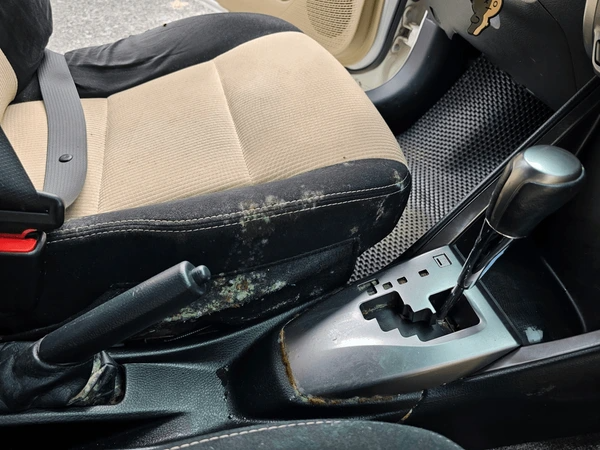
A little mold in your car may seem like a minor cleaning issue. It is not. Left untreated, mold can destroy interior materials, create odors that never fully leave, and slash what buyers or dealerships are willing to pay. If you delay mold removal from car surfaces, you are not saving money. You are actively losing it.
Why Is Mold Such a Big Threat to Your Car’s Value?
Because buyers do not see mold as a cosmetic flaw. They see it as a warning sign.
The moment someone smells mildew or spots mold stains, they assume water damage, hidden leaks, and expensive future repairs. That fear instantly lowers confidence in the vehicle. Even if the car runs perfectly, mold makes buyers question everything about how it was maintained.
Used-car pricing experts consistently note that interior condition heavily affects resale offers because it shapes buyer trust and perceived vehicle care.
How Does Mold Damage Upholstery and Interior Surfaces?
Mold does not sit on the surface politely. It spreads into fabric, foam, carpet backing, seat padding, and headliners.
Once that happens, your interior starts breaking down from the inside out. The cloth weakens. Leather dries and cracks faster. Stitching deteriorates. Carpet padding becomes brittle. Adhesives under trim and liners can fail when moisture remains trapped beneath the surface.
That means what started as a small patch can turn into permanent material damage.

Can Mold Cause Permanent Odors? Yes, and That Is a Huge Problem
Here is the truth many vehicle owners learn too late: odor is one of the hardest resale killers to fix.
Mold spores settle into vents, insulation, seat foam, and under-carpet padding. You may mask the smell temporarily. You may even think it is gone. Then the weather heats up, humidity rises, and that musty smell comes roaring back.
For many buyers, one bad odor is enough to walk away.
Why Do Dealers Offer Less for Moldy Cars?
Because dealerships know what remediation costs.
Proper mold removal from car interiors is not a quick vacuum and shampoo. Severe cases often require partial interior disassembly, extraction of contaminated padding, antimicrobial treatment, odor neutralization, and moisture-source repair.
That labor adds up quickly. Dealers build those costs into their offer, and then some.
They also know mold history makes the vehicle harder to sell.
How Much Can Interior Contamination Affect Vehicle Value?
Interior contamination can reduce resale value far more than many owners expect.
For perspective, research cited by Carwow found that odor-related interior contamination such as smoke can reduce resale value by roughly 7 to 8 percent because buyers heavily penalize persistent smells and interior damage. Mold often creates the same buyer reaction, if not worse, due to the added fear of water intrusion and biohazard concerns.
That is not pocket change. On a $40,000 vehicle, that could mean thousands lost.
Does Mold Also Damage Hidden Components?
Yes, and this is where the real financial risk grows.
Mold usually means moisture has been sitting somewhere it should not. That same moisture can affect:
Under-Carpet Insulation
Wet padding deteriorates and holds odor long after surfaces appear dry.
Metal Floor Pans
Trapped moisture encourages corrosion beneath carpets and seats.
Seat Frames and Hardware
Rust can develop in tracks, brackets, and mounting points.
HVAC Systems
Spores and moisture in vents can contaminate airflow and spread odor throughout the cabin.
What looks like “just mold” may actually point to larger moisture-related damage.
Why Does Professional Treatment Matter More Than DIY Cleaning?
Because surface cleaning rarely solves a mold problem.
Wiping visible spots may improve appearance for a week. It does not address what is under the carpet, inside the seat foam, or behind trim panels. If the moisture source remains, the mold returns.
Professional car interior mold removal targets the root issue: contamination, odor, and moisture source together. That is the only way to restore the cabin properly and preserve value.
When Should You Act? Immediately
The longer mold sits, the deeper it penetrates.
Early-stage mold can often be remediated before major replacement is needed. Wait too long, and what could have been a detailing service becomes upholstery replacement, trim restoration, or structural corrosion repair.
That is the difference between spending hundreds now and losing thousands later.
What Should You Do If You Notice Mold in Your Vehicle?
Do not ignore it. Do not cover it with air fresheners. Do not assume it is harmless because it is “only in one corner.”
Instead:
Schedule an Inspection Fast
Find the moisture source before the damage spreads.
Get Professional Remediation
Proper treatment protects materials and removes contamination below the surface.
Document the Service
Professional restoration records help reassure future buyers that the issue was handled correctly.
If you are searching for expert mold removal Oakland services, choose a restoration specialist who understands high-end interiors, odor remediation, and long-term vehicle preservation, not just surface detailing.
Final Thoughts: Mold Costs More Than You Think
Ignoring mold in your car is one of the fastest ways to destroy resale value without ever touching the engine. It stains upholstery. It weakens materials. It corrodes hidden components. It creates odors buyers never forget. Most importantly, it tells every future buyer the vehicle may have deeper problems.Handle mold early, and you protect your interior. Delay it, and you pay for it at trade-in.





