

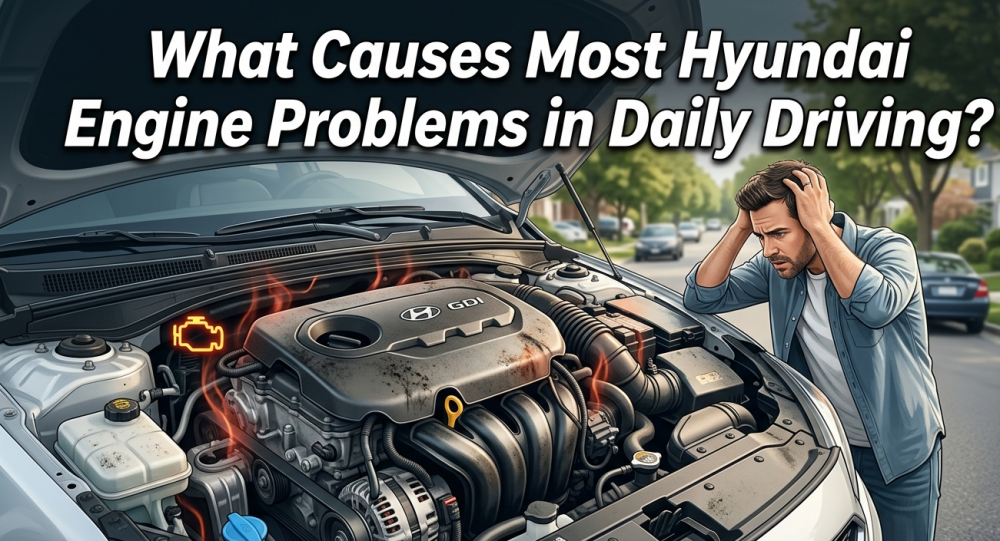
Hyundai vehicles are known for comfort, fuel efficiency, and value, but like any automobile, they can develop engine issues over time. Many drivers experience problems not because of manufacturing defects alone, but because of daily driving habits and missed maintenance. In some cases, owners choose a second hand Hyundai Engine when repairs become too expensive. Understanding what causes engine trouble can help prevent major damage and costly breakdowns. Most Hyundai Engine Problems start small and become serious when ignored. From poor oil care to overheating and traffic stress, regular driving conditions often play a larger role than many people realize.
Poor Maintenance Practices
One of the leading causes of engine trouble is poor maintenance. Skipping oil changes, delaying filter replacements, and ignoring service schedules can slowly damage internal engine parts. Engines rely on clean fluids and proper inspections to stay healthy. When maintenance is neglected, dirt, sludge, and wear increase over time. Belts, spark plugs, and cooling components also wear out if not serviced regularly. Many drivers wait until warning signs appear, but by then damage may already exist. A consistent maintenance schedule is one of the best ways to avoid serious Hyundai Engine Problems and keep the vehicle running efficiently for years.
Low or Contaminated Engine Oil
Engine oil is essential because it lubricates moving parts, reduces heat, and prevents metal-to-metal contact. When oil levels become low, the engine loses protection and internal friction increases quickly. Contaminated oil filled with dirt, fuel residue, or sludge can also reduce lubrication quality. This often leads to faster wear on pistons, bearings, timing chains, and camshafts. Some drivers forget to check oil levels between service intervals, especially if the engine consumes oil. Running with low or dirty oil is one of the fastest ways to shorten engine life and create expensive repairs in Hyundai vehicles.

Stop-and-Go Traffic Conditions
Daily city driving can be harder on an engine than highway travel. Constant stopping, idling, and restarting create repeated stress on engine components. In stop-and-go traffic, the engine often runs hot while receiving less airflow through the radiator. Frequent acceleration and braking also increase fuel consumption and internal wear. Short trips in traffic may not allow the engine to reach ideal operating temperature, which can lead to moisture buildup in oil. Over time, urban driving conditions can contribute to wear and performance loss. Drivers in crowded cities often face more Hyundai Engine Problems than highway commuters.
Overheating Issues
Overheating is one of the most serious threats to any engine. It can happen because of coolant leaks, a bad thermostat, damaged radiator, broken fan, or failing water pump. When temperatures rise too high, cylinder heads may warp, gaskets may fail, and internal metal parts can weaken. Even one major overheating event can create long-term damage. Some drivers ignore temperature warnings or continue driving after steam appears, making the situation worse. Hyundai owners should always monitor the temperature gauge and repair cooling system issues immediately. Quick action can prevent major engine failure and costly replacement expenses.
Poor Fuel Quality
Using poor-quality fuel can negatively affect engine performance and longevity. Low-grade or contaminated fuel may cause rough idling, hesitation, knocking, or poor acceleration. Over time, bad fuel can leave deposits on injectors, intake valves, and combustion chambers. These deposits reduce efficiency and may trigger warning lights. Some engines are designed to perform best with recommended octane levels, and using the wrong fuel repeatedly can create stress under load. Fuel contamination with water or debris can also damage pumps and injectors. Choosing quality fuel and replacing fuel filters when needed helps keep Hyundai engines running smoothly.
Wear and Tear of Engine Components
Every engine component wears down naturally with age and mileage. Seals harden, gaskets crack, spark plugs wear, timing chains stretch, and sensors lose accuracy over time. Even well-maintained vehicles eventually need replacement parts. As mileage increases, compression may drop and oil leaks may begin to appear. Older engines often need more attention to remain reliable. Ignoring age-related wear can turn minor repairs into major problems. Preventive replacement of worn components is often much cheaper than waiting for complete failure. Normal aging is unavoidable, but timely repairs greatly extend the useful life of Hyundai engines.
Ignoring Warning Signs
Many engine failures begin with small warning signs that drivers ignore. Check engine lights, rough idling, knocking sounds, smoke, oil leaks, and overheating indicators should never be dismissed. These symptoms usually mean the engine is asking for attention before damage becomes severe. Waiting too long can transform a simple sensor replacement or gasket repair into a full engine rebuild. Strange smells, reduced power, or poor fuel economy are also signals that something needs inspection. Drivers who respond early usually save money and avoid breakdowns. Quick diagnosis is one of the smartest ways to prevent serious engine damage.

FAQ
1. What is the most common cause of Hyundai engine problems?
Poor maintenance is one of the most common causes. Skipping oil changes, ignoring warning lights, and delaying repairs can lead to serious engine damage over time.
2. Can low engine oil damage a Hyundai engine?
Yes, low oil levels reduce lubrication and increase friction inside the engine. This can damage bearings, pistons, and timing components quickly if ignored.
3. Does stop-and-go traffic affect Hyundai engine life?
Yes, constant idling, braking, and restarting can create extra heat and wear. City driving is often harder on engines than steady highway driving.
4. How do I prevent overheating in my Hyundai?
Check coolant levels regularly, inspect hoses, maintain the radiator, and repair thermostat or fan issues quickly. Preventing overheating protects the engine from severe damage.
5. When should I inspect warning lights or strange noises?
Immediately. Early diagnosis of warning lights, leaks, smoke, or knocking sounds can prevent expensive repairs and major engine failure.
Conclusion
Most Hyundai engine issues in daily driving are caused by preventable factors such as poor maintenance, dirty oil, traffic stress, overheating, low-quality fuel, natural wear, and ignored warning signs. These problems often begin small and worsen when left untreated. Regular servicing, fluid checks, quality fuel, and fast repairs can greatly reduce the risk of expensive breakdowns. Understanding the real causes of Hyundai Engine Problems helps owners protect their vehicles and extend engine life. If replacement ever becomes necessary, trusted suppliers like Moon Auto Parts can help you find dependable solutions and quality engine options.
Read Also: How Long Do Used Nissan Frontier Engines Typically Last?





