

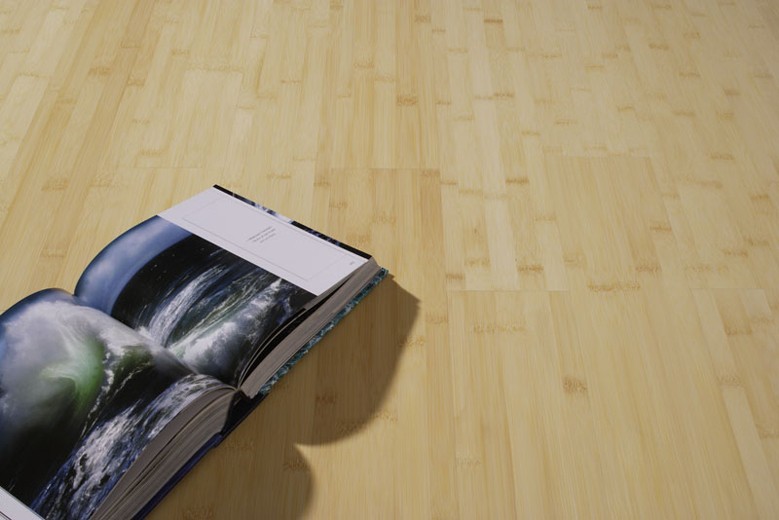
When you are planning a home renovation or selecting materials for a new build, the flooring choice often becomes a balancing act between aesthetics and survival. For a busy family, the floor is not just a design element; it is a literal playground, a racetrack for toy cars, a landing pad for spilled juice, and a high-traffic zone for both human and pet traffic. Natural bamboo has become a prominent contender in this arena, often praised for its eco-friendly credentials and sleek, modern appearance. But the question that lingers for most parents and homeowners is simple: can it actually handle the chaos of a busy household?
To understand the durability of natural bamboo, we have to look past the surface level. It is a material that offers surprising strength, but its performance depends heavily on the specific type of bamboo you choose and how you manage the environment inside your home.
The Strength Behind the Grass

One of the most common misconceptions about bamboo is that it is a wood. In reality, it is a fast-growing grass. While that might make it sound flimsy, the structural reality is quite the opposite. Some species of bamboo, particularly Moso bamboo, have a higher compressive strength than concrete and a tensile strength that rivals steel. When processed into flooring, this raw strength is harnessed to create a surface that is remarkably resilient.
However, "natural bamboo" is a broad term that covers several different manufacturing processes, each resulting in a different level of hardness. The durability of your floor is primarily determined by which of these processes was used.
For a busy family home, strand-woven bamboo is the gold standard for durability. During manufacturing, the bamboo fibers are shredded into long strands and then compressed under immense pressure with eco-friendly resins. This creates a dense, rock-hard block that is then sliced into planks. On the Janka Hardness Scale—the industry standard for measuring the dent resistance of flooring—strand-woven bamboo often scores between 3,000 and 4,000. For comparison, traditional domestic hardwoods like Red Oak score around 1,290, and Hard Maple scores about 1,450. This makes strand-woven bamboo significantly more resistant to the heavy impacts of dropped toys, high heels, and the occasional falling pot or pan.
Horizontal and vertical bamboo, often referred to as "traditional" bamboo flooring, are made by gluing strips of bamboo together rather than shredding and compressing the fibers. These styles are beautiful and showcase the natural grain and nodes of the plant, but they are softer than the strand-woven variety. They typically have a Janka rating around 1,100 to 1,400, putting them on par with Oak. While perfectly durable for many homes, families with large dogs or very active children might find that horizontal and vertical options show indentations more easily than the strand-woven alternative.
Scratch Resistance and Surface Protection

While the hardness of the core material prevents deep dents, the "scratch resistance" of a floor actually refers to the finish applied to the surface. Most modern bamboo floors come pre-finished from the factory with multiple layers of polyurethane, often reinforced with aluminum oxide. This creates a clear, tough-as-nails shield that protects the bamboo from the superficial scratches caused by grit, dust, and pet claws.
In a busy family home, the finish is your first line of defense. However, no finish is completely scratch-proof. Over time, microscopic particles of dirt act like sandpaper underfoot. If your family tends to wear shoes indoors or if you have pets that track in sand from the yard, those tiny abrasives will eventually dull the luster of the finish. The "durability" here is a partnership between the quality of the factory finish and your commitment to regular sweeping or dust mopping.
The Moisture Factor in a Family Environment
Spills are a daily reality in any household with children. From spilled milk at the breakfast table to muddy footprints in the mudroom, your floors will inevitably get wet. Natural bamboo is inherently more moisture-resistant than many traditional hardwoods because of its origin in tropical climates. It does not swell or shrink as drastically when exposed to humidity.
That said, bamboo is not waterproof. If a large spill is left to sit on the floor for an extended period, the liquid can eventually seep into the seams between the planks. Once moisture gets under the finish and into the core of the bamboo, it can cause the material to swell or the edges of the boards to lift—a phenomenon known as cupping.
For a busy family, the durability of bamboo in the face of spills is excellent, provided you are proactive. As long as spills are wiped up promptly, the floor will remain unaffected. If you are looking for flooring for a bathroom or a laundry room where standing water is a constant risk, you might want to look at engineered bamboo or waterproof luxury vinyl, but for kitchens, living rooms, and playrooms, natural bamboo holds up exceptionally well against the typical spills of family life.
Living with Pets and Bamboo
For many families, "busy" also means having furry members. Dogs and cats present a unique challenge to flooring durability. Between their claws and the occasional "accident," pets can be hard on a floor.
Because strand-woven bamboo is so dense, it is often cited as one of the best flooring options for dog owners. A large dog running across a soft pine or cherry floor will leave deep gouges with its claws. On a high-quality strand-woven bamboo floor, the claws are much less likely to penetrate the dense surface.
However, pet urine is highly acidic and can damage the finish or cause permanent staining if left too long. The durability of bamboo in a pet-friendly home depends on maintaining the floor's finish and ensuring that any accidents are cleaned up with a pH-neutral cleaner immediately.
Stability and Environmental Changes
One of the less-discussed aspects of durability is "dimensional stability." Many traditional hardwoods expand and contract significantly as the seasons change and humidity levels fluctuate. This can lead to unsightly gaps between boards in the winter or buckling in the summer.
Bamboo, particularly engineered or strand-woven varieties, is incredibly stable. It handles changes in the home environment much better than solid oak or walnut. This means that as your family turns on the heater in the winter or the air conditioning in the summer, your floors are less likely to develop the creaks, gaps, and groans often associated with old wood floors. This structural durability ensures the floor stays quiet and the seams stay tight, preventing dirt from falling into cracks where it can cause wear from the inside out.
Longevity and Refinishing Potential
When we talk about durability, we are also talking about how long the floor will last before it needs to be replaced. A high-quality bamboo floor can easily last 20 to 25 years or more with proper care.
One of the professional advantages of natural bamboo is that, like hardwood, many types can be refinished. If, after a decade of heavy family use, the surface has become scratched or dull, you can often have the floor professionally sanded and a new topcoat applied. This effectively resets the clock on your floor's life. It is important to note that only solid bamboo or engineered bamboo with a thick wear layer can be sanded. Strand-woven bamboo can also be refinished, though it requires a professional who is experienced with the density of the material, as it is much harder to sand than traditional oak.
Practical Tips for Maximizing Durability
While the material itself is tough, a few simple habits will ensure that your bamboo floor survives the "busy family" test for decades.
First, use high-quality entryway mats. The majority of the grit that scratches a floor is brought in from the outside. By placing mats at every entrance, you catch the sandpaper-like particles before they ever reach the bamboo. Just be sure to avoid mats with solid rubber or latex backings, which can trap moisture or cause a chemical reaction with the floor finish; choose breathable, non-slip pads instead.
Second, embrace the "no shoes" rule if possible. Shoes, especially those with hard soles or trapped pebbles, are the primary cause of finish wear. Even just switching to slippers or socks indoors can significantly extend the life of your floor's shine.
Third, invest in felt protectors for all furniture. In a family home, chairs are constantly being moved, and sofas are shifted during play. Without felt pads, the metal or plastic feet of furniture will eventually gouge even the hardest strand-woven bamboo. Check these pads every few months to make sure they haven't worn through or collected hair and grit.
The Acoustic Element
In a bustling home, noise is a factor of durability that many people forget. A floor that echoes every footstep and dog bark can make a home feel chaotic. Because of its density, strand-woven bamboo has a very solid sound underfoot. It doesn't have the "hollow" or "clicky" sound sometimes associated with thinner laminate floors. If you are installing bamboo on a second floor or in a playroom, using a high-quality acoustic underlayment can further dampen the sound, making the material feel even more substantial and durable.
Evaluating the Investment
When you weigh the hardness, the moisture resistance, and the ability to refinish the surface, natural bamboo emerges as a highly durable choice for family life. It offers the warmth of a natural material with a level of toughness that outperforms many traditional woods.
The key to a successful experience with bamboo in a busy home is choosing the right type—prioritizing strand-woven for maximum dent resistance—and maintaining a basic cleaning routine. It is a floor that doesn't ask for much, but in return, it provides a stable, beautiful, and incredibly tough surface that can handle the unpredictable energy of a growing family. Rather than worrying about every dropped toy or spilled drink, you can enjoy the natural beauty of the grain, knowing the floor was built to handle exactly this kind of life.





