
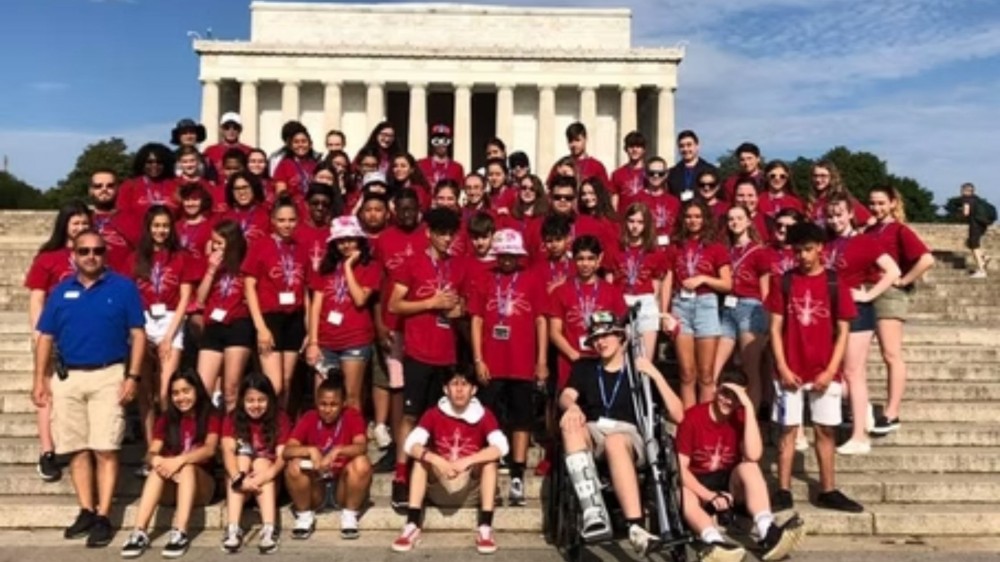
Picture a classroom where the hum of a projector is replaced by the roar of the Atlantic Ocean or the echoing halls of a Smithsonian gallery. Moving education from a desk to the real world changes how students see their future. Planning these trips often feels like a mountain of paperwork and logistical hurdles for school staff. This guide simplifies the process to ensure every student gets the most out of their journey without the typical headaches.
The Secret to Simple School Trip Coordination
Success starts with a clear vision and an early timeline. Planning should begin at least twelve months before the departure date to secure the best rates and availability. This buffer allows for steady fundraising and gives families enough time to budget for the experience. Clear goals must drive every decision, whether the focus is on American history, marine biology, or performing arts.

Schools often struggle with the sheer volume of choices available across the country. Finding Educational Tour Deals in the USA helps keep these experiences accessible to more students. Group discounts for museums, bundled meal plans, and off-peak travel dates can significantly lower the total cost. A well-organized plan ensures that every dollar spent directly supports a learning objective.
Strategic Steps for Seamless Logistics
A smooth trip relies on more than just a good destination. Safety and transportation form the backbone of any successful outing. Schools must vet every vendor and confirm they meet strict safety standards and insurance requirements. All chaperones should receive detailed itineraries that include designated rest stops, meal locations, and emergency contact protocols.
Essential Logistics Checklist
- Verify all transportation providers have current safety certifications.
- Confirm hotel blocks are in student-friendly, secure neighborhoods.
- Create a digital folder for all permission slips and medical forms.
- Schedule a pre-trip meeting to align expectations with parents.
- Verify that all venues have appropriate accessibility for every student.
Budgeting requires a transparent approach to avoid hidden costs. Each quote should clearly list what is included, such as tips for drivers, entrance fees, and taxes. Keeping a small contingency fund helps manage minor surprises without stressing the school’s finance department.

Selecting High-Impact Destinations
The United States offers a massive variety of locations that turn textbooks into tangible experiences. Washington, D.C. remains a top pick for civics and history, while Orlando provides incredible STEM opportunities through its space and science centers. Choosing the right spot depends on the current curriculum and the age of the students.
Finding thebest educational tours in the USA involves looking for programs that offer hands-on engagement rather than just passive observation. Interactive workshops, guided Q&A sessions with experts, and behind-the-scenes access make the lessons stick. These moments often spark a lifelong interest in a subject that a standard lecture might not reach.
Managing Student Safety and Engagement
Chaperones play a vital role in keeping the group focused and safe. A high adult-to-student ratio is necessary, typically one adult for every ten students. Chaperones need a clear understanding of their roles, from managing headcounts at every transition to overseeing behavior in public spaces. Communication tools like group messaging apps keep the team connected across large venues.
Tips for High Student Engagement
- Assign small research projects related to the destination before the trip.
- Use "scavenger hunt" style worksheets to encourage active observation.
- Allow for supervised free time to help students develop independence.
- Hold evening reflection sessions to discuss the day’s highlights.
- Encourage students to take photos or keep a journal of their thoughts.
Keeping the energy high requires a balanced schedule. Avoid over packing the day with too many back-to-back lectures. Students need time to process what they see and enjoy the social aspect of traveling with their peers. A mix of structured learning and relaxed exploration creates a much better overall experience.
Communication with Parents
Trust is the foundation of any school trip. Parents need to feel confident that their children are in good hands and that the trip provides genuine value. Frequent updates during the planning phase help build this confidence. Detailed information packs should cover the daily schedule, packing lists, and behavioral expectations.
Digital platforms make it easy to share photos and updates throughout the trip. Seeing their children engage and learn in real time gives parents peace of mind. This transparency also makes it easier to gain approval for future trips. Clear, honest communication prevents most common misunderstandings and keeps everyone on the same page.
Conclusion: Turning Vision into Reality
Planning a successful journey requires a blend of foresight, organization, and reliable partnerships. Moving students across the country is a significant task, but the rewards in growth and perspective are immense. Schools that prioritize a structured approach find that the process becomes a routine part of the academic year rather than a source of panic.
You Name It Tours helps schools handle these complex movements with a focus on reliability and coordination. The service ensures that students and staff reach their destinations safely and on time. By managing the heavy lifting of logistics, the company allows educators to focus on the teaching moments that matter. Finding the right educational tour deals in the USA is just the first step toward a transformative experience. Let the experts handle the road while you handle the classroom.





