
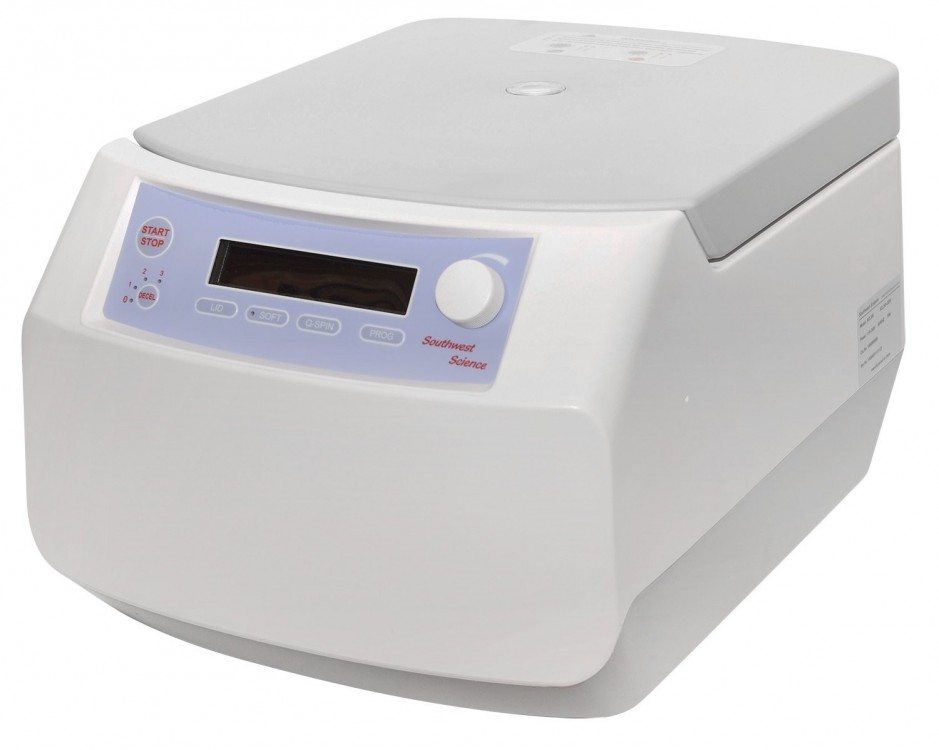
In modern laboratories, precision and efficiency are key. One essential tool that helps scientists and medical professionals achieve this is the blood tube centrifuge. These machines are designed to separate substances in blood or other liquid samples quickly and reliably, making laboratory work faster and more accurate. Understanding how a centrifuge for blood tubes works can give insight into its importance in clinical, research, and pharmaceutical settings.
What Is a Blood Tube Centrifuge?
A blood tube centrifuge is a type of benchtop centrifuge specifically designed to process blood and other biological samples. While the term "benchtop centrifuge" refers to the size and placement of the machine, a blood tube centrifuge focuses on separating components in tubes of various sizes.
These machines work by spinning samples at high speeds to apply centrifugal force. This force separates components in the tube based on density. For example, in blood samples, the red blood cells, plasma, and platelets can be separated for different types of analysis.

How a Blood Tube Centrifuge Works
Centrifuges for blood tubes use a spinning rotor to create centrifugal force. The rotor holds the tubes at specific angles or in swing buckets, depending on the type of centrifuge. When the machine spins, heavier components move outward to the bottom of the tube, while lighter components stay closer to the top.
The key factors in this process include:
- Rotor type – fixed angle or swing bucket
- Speed – low to high revolutions per minute (RPM)
- Centrifugal force (g-force) – determines how quickly components separate
- Tube compatibility – different tubes require specific rotors or adapters
The separation allows scientists to collect plasma, serum, or cellular components efficiently without contamination. Modern blood tube centrifuges often include features to minimize sample heat during high-speed spins, especially in refrigerated models.
Types of Benchtop Centrifuges for Blood Tubes
Blood tube centrifuges are generally classified under benchtop centrifuges. There are several types, each serving different laboratory needs:
- Mini Centrifuges: Small and fast, designed for spin-downs of tiny tubes from 0.2ml to 5ml. Rotors are fixed and not user-changeable.
- Clinical Centrifuges: Handle most blood tube sizes, typically 2ml to 10ml, and sometimes 15ml. These are used for routine blood and urine tests, and PRP preparation. Rotors are fixed.
- Microcentrifuges: Focus on very small tubes (1.5ml and 2.0ml), with options for inserts to hold smaller volumes. Can reach high speeds for molecular and cell biology applications, including DNA/RNA and protein work. Available in refrigerated and non-refrigerated versions.
- Low-Speed Multipurpose Centrifuges: Suitable for separating blood and urine samples or heavier particles like cells and bacteria. Offer multiple rotor options, including fixed angle and swing bucket, for tube sizes 2ml to 50ml. Refrigerated versions are available.
- 50ml Centrifuges: Economical machines with fixed angle rotors that can handle 50ml and 15ml tubes using adapters. Provide many functions of low-speed multipurpose centrifuges at a lower capacity.
- PRP Centrifuges: Dedicated to platelet-rich plasma separation in blood tubes 2ml to 10ml. Swing bucket models allow higher yield, while fixed angle models serve standard clinical applications.
Each type is designed with specific lab tasks in mind, whether routine sample processing, specialized blood work, or molecular research.

Key Applications of Blood Tube Centrifuges
Blood tube centrifuges have a wide range of uses in modern labs, including:
- Clinical Testing: Separating plasma, serum, or urine components for diagnostic tests.
- PRP Preparation: Producing platelet-rich plasma for medical and cosmetic procedures.
- Research Applications: DNA/RNA purification, protein isolation, and cell harvesting.
- Sample Spin-Downs: Ensuring uniform sample concentration in tubes or microtiter plates.
By efficiently separating components, centrifuges save time, improve accuracy, and reduce the risk of contamination in lab workflows.
Choosing the Right Centrifuge for Blood Tubes
Selecting the appropriate centrifuge for blood tubes depends on several factors:
- Sample Volume and Tube Size: Ensure the machine can hold the tubes you regularly use.
- Rotor Type: Fixed angle for standard separations or swing bucket for more delicate applications.
- Speed and G-Force: Match the centrifuge’s capability to your laboratory requirements.
- Refrigeration: Needed if samples are heat-sensitive during high-speed spins.
- Accessories and Adapters: Consider availability of inserts or rotors for different tube sizes.
Proper selection ensures optimal sample separation, reliability, and lab safety.
Advantages of Modern Blood Tube Centrifuges
Modern centrifuges for blood tubes offer multiple benefits:
- Faster and more consistent separation of sample components.
- Reduced risk of sample contamination.
- Compatibility with a wide range of tube sizes.
- Flexibility for clinical, research, and PRP applications.
- Economical operation while maintaining high performance.
With these advantages, laboratories can streamline workflows, increase productivity, and maintain accurate results.
In Conclusion:
A blood tube centrifuge is a versatile and essential tool in modern laboratories. It allows scientists and clinicians to separate blood and other sample components quickly, accurately, and safely. By understanding the types of benchtop centrifuges available, their applications, and how they operate, labs can choose the right equipment for their needs.





