

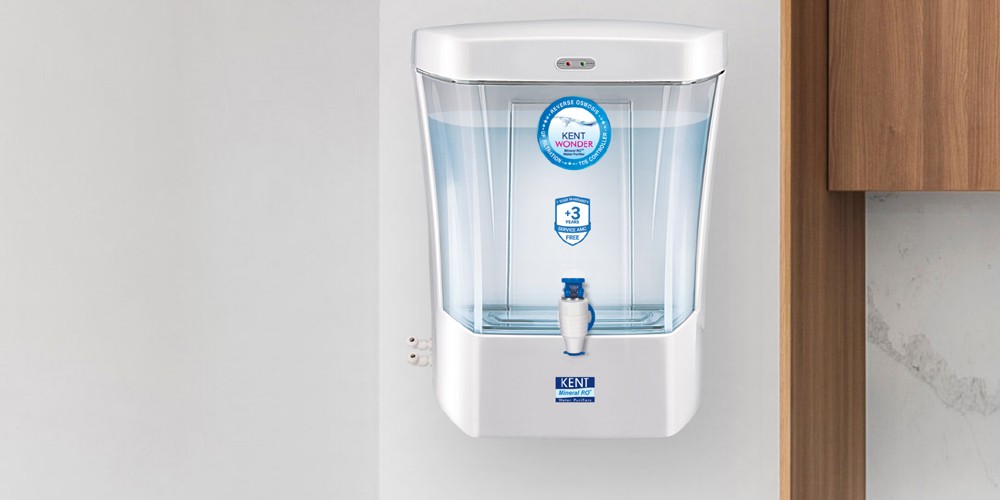
Clean drinking water supports health, food safety, and daily living. Many households depend on water purifiers to remove contaminants from their supply. However, a purifier can only deliver safe water when it receives regular care. Without proper maintenance, filtration quality declines, internal components wear out faster, and water purity becomes uncertain. Routine servicing, timely filter replacement, and basic hygiene checks help maintain consistent performance. Understanding the importance of upkeep ensures continued access to pure filtered water and supports long-term system reliability and efficiency.
Why Maintenance Directly Affects Water Quality?
Water purifiers rely on a controlled filtration process to remove physical, chemical, and biological impurities. As water passes through filters and membranes, these components collect contaminants. Over time, buildup reduces their ability to function properly.
Regular Water Purifier Service ensures that filters remain clean and internal systems operate as designed. Technicians inspect pressure levels, check filter condition, and identify early signs of wear. This prevents impurities from slipping through and helps maintain consistent water quality.

Filter Replacement and Component Function
Each purifier includes multiple components that work together to clean water. These parts perform different roles and require timely replacement to remain effective. Understanding their purpose highlights why maintenance matters.
Key components that need routine attention include: -
- Pre-filters that block dirt, sand, and visible particles.
- Carbon filters that reduce chlorine, odor, and taste issues.
- RO membranes that remove dissolved salts and heavy metals.
- UV lamps that neutralize harmful microorganisms.
Replacing components within their recommended lifespan keeps filtration balanced. When all parts function correctly, the purifier delivers stable and safe drinking water without overloading the system.
Preventing Microbial Contamination
Purifiers contain internal surfaces that remain moist during operation. Without cleaning, these areas can support bacterial growth. Storage tanks and old filters present the highest risk when maintenance is delayed.
Periodic cleaning and sanitization remove internal residue and reduce contamination risk. Scheduled inspections also help detect hygiene issues early, which protects water safety and prevents health concerns linked to microbial exposure.
Managing Hard Water and Mineral Buildup
Hard water contains minerals that gradually form scale inside purifiers. This buildup restricts flow and reduces filtration efficiency. Mineral deposits also shorten the lifespan of internal components.
To control these effects, households often rely on:-
- Early identification of hardness-related scaling.
- Preventive steps to protect filters and membranes.
- Water softening to reduce mineral concentration before purification.
- Reduced stress on internal parts due to lower scale formation.
By limiting mineral buildup, Water Softening supports smoother operation and helps maintain consistent filtration performance over time.
Ensuring Stable Water Flow
Proper water flow allows each filtration stage to work effectively. When filters clog or scale builds up, flow slows, and purification becomes uneven. This can affect both output quantity and water quality.
Routine checks help restore balanced pressure and steady flow. Clean components allow water to pass through each stage at the correct rate, supporting efficient and reliable purification without interruptions.
Maintaining Taste and Visual Clarity
Changes in taste or appearance often signal the need for maintenance. Old carbon filters may fail to remove chlorine, while clogged systems can cause cloudy water. These issues reduce user confidence in filtered water.
Timely servicing improves these conditions by restoring filtration effectiveness. Clear, neutral-tasting water encourages regular consumption and supports safe use for cooking and beverages.
Must Read: How to Keep Your RO Water Purifier System Running Smoothly and Efficiently?
Supporting Long-Term System Performance
A well-maintained purifier operates closer to its original efficiency. Ignoring upkeep increases wear on pumps, membranes, and electrical components, leading to breakdowns and higher repair costs.
Following a planned water purifier service schedule protects internal components and extends system life. Preventive care reduces sudden failures and supports consistent water quality year-round.
Conclusion
Water purifier maintenance is critical to delivering pure, filtered water. Clean filters, sanitized tanks, and controlled mineral buildup support reliable purification. With timely servicing and proper care, households can depend on their systems for safe, clear drinking water every day. Regular inspections also reduce unexpected breakdowns and help maintain consistent performance throughout changing water conditions.





