

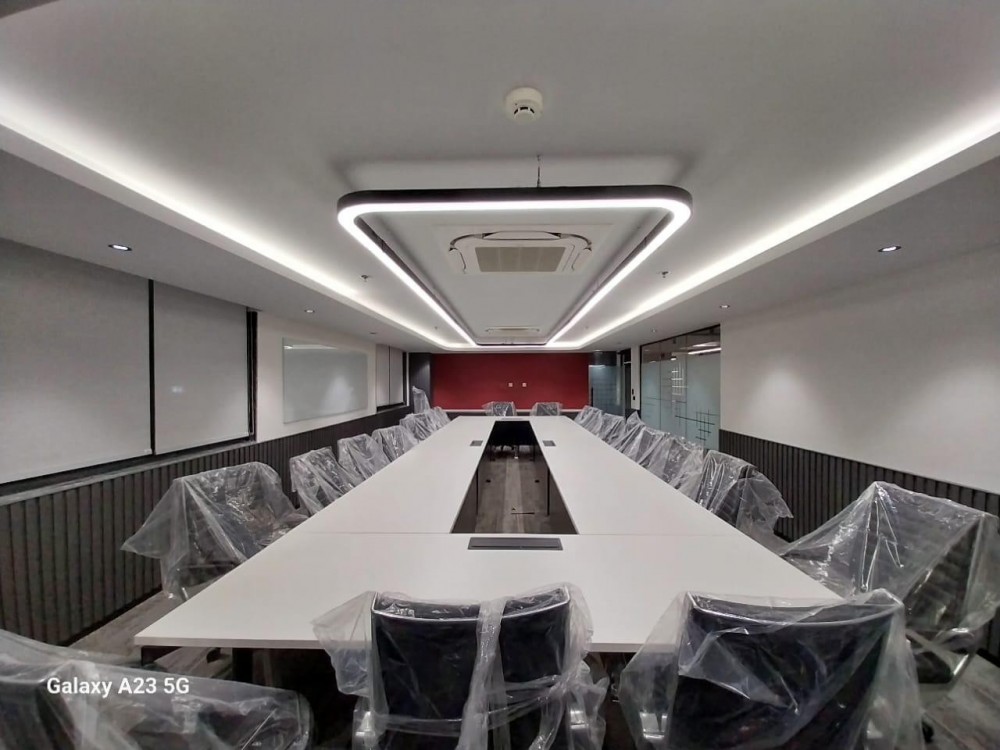
Designing an open-plan office sounds simple. Remove walls, add desks, and create a collaborative environment. In reality, it is much more complex. Many businesses adopt open layouts expecting better teamwork and communication, but end up facing noise issues, distractions, and reduced productivity.
A well-designed open-plan office balances collaboration with focus. It supports different work styles and ensures employees feel comfortable, productive, and engaged. This guide explains how to design an open workspace that truly works in practice.
Understand the Purpose of Your Office Layout
Before planning the design, it is important to define the purpose of the space. Every business has different needs. A creative agency requires collaboration, while a tech company may need more quiet zones for deep work.

Start by asking:
- What type of work do employees perform daily?
- How much collaboration is required?
- Do teams need privacy for meetings or calls?
Clear answers help in creating a layout that supports real workflows instead of following trends blindly.
Create Functional Zones Instead of One Open Space
One of the biggest mistakes in open-plan offices is treating the entire area as a single workspace. This often leads to chaos and distractions.
A better approach is zoning.
Divide the office into specific areas such as:

- Collaboration zones for team discussions
- Quiet zones for focused work
- Meeting areas for private conversations
- Breakout spaces for relaxation
Zoning allows employees to choose the right environment based on their task, improving overall efficiency.
Focus on Acoustic Design
Noise is the most common complaint in open offices. Without proper planning, even a well-designed space can become uncomfortable.
To control noise:
- Use acoustic panels and ceiling baffles
- Add carpets and soft furnishings to absorb sound
- Install partitions or dividers where necessary
- Create designated quiet areas
Good acoustic design ensures that collaboration does not come at the cost of concentration.
Prioritize Ergonomics and Comfort
An effective office is not just about layout. Employee comfort plays a major role in productivity.
Invest in:
- Ergonomic chairs and desks
- Adjustable workstations
- Proper lighting systems
- Adequate ventilation
Comfortable employees perform better and experience less fatigue. This directly impacts business performance in the long run.
Optimize Space Without Overcrowding
Open-plan offices often aim to maximize space usage. However, overcrowding can reduce productivity and increase stress.
Ensure:
- Enough space between desks
- Clear walking pathways
- Proper desk orientation to avoid constant distractions
A spacious layout improves movement, reduces noise overlap, and creates a more pleasant working environment.
Encourage Flexibility in Workspace Design
Modern workplaces are evolving rapidly. Fixed seating arrangements are no longer always effective.
Flexible design elements include:
- Hot-desking options
- Movable furniture
- Multi-purpose areas
Flexibility allows businesses to adapt quickly to changing team sizes and work styles. It also supports hybrid work models where not all employees are present every day.
Use Smart Lighting and Natural Elements
Lighting has a strong impact on mood and productivity. Poor lighting can cause fatigue and reduce focus.
Best practices include:
- Maximizing natural light
- Using LED lighting for consistency
- Avoiding glare on screens
Adding natural elements like plants improves air quality and creates a calming environment. This enhances employee well-being and satisfaction.
Integrate Technology Seamlessly
A modern open office must support digital workflows. Technology should be integrated without cluttering the space.
Consider:
- Wireless connectivity solutions
- Smart meeting rooms
- Cable management systems
- Digital collaboration tools
Efficient technology integration ensures smooth communication and reduces operational friction.
Balance Collaboration and Privacy
Open offices promote teamwork, but employees still need privacy at times. Without private spaces, productivity can decline.
Include:
- Phone booths for calls
- Small meeting rooms
- Semi-private workstations
This balance allows employees to switch between collaborative and individual work without disruption.
Reflect Brand Identity Through Design
Office design is also a reflection of your brand. It communicates company culture to employees and visitors.
Use:
- Brand colors in interiors
- Consistent design themes
- Creative wall elements or graphics
A well-designed office strengthens identity and creates a sense of belonging among employees.
Strategic Design Implementation
In many cases, businesses benefit from expert guidance to align design with functionality. For example, working with an Office Interior Designer in Faridabad can help companies create layouts tailored to their workflow, team size, and operational goals.
Similarly, organizations expanding in corporate hubs often consult professionals like an Office Interior Designer in Gurugram to design scalable and future-ready workspaces. These experts ensure that design decisions are practical, not just visually appealing, and align with long-term business growth.
Test and Improve the Layout Over Time
Office design is not a one-time process. Even a well-planned layout may need adjustments after implementation.
Collect feedback from employees:
- Are they facing distractions?
- Do they feel comfortable in their workspace?
- Is collaboration easy or difficult?
Use this feedback to refine the layout. Continuous improvement ensures that the office remains effective as the business evolves.
Common Mistakes to Avoid
While designing an open-plan office, avoid these common errors:
- Ignoring noise control
- Overcrowding the workspace
- Lack of private areas
- Poor lighting design
- Following trends without understanding needs
Avoiding these mistakes can save time, cost, and productivity loss.
Conclusion
An open-plan office can be highly effective when designed thoughtfully. It is not just about removing walls, but about creating a balanced environment that supports both collaboration and focus.
By understanding employee needs, optimizing space, controlling noise, and integrating flexibility, businesses can design offices that truly work. The right approach improves productivity, enhances employee satisfaction, and creates a workplace that supports long-term growth.
A successful office design is one that adapts, evolves, and consistently meets the needs of its users.





