

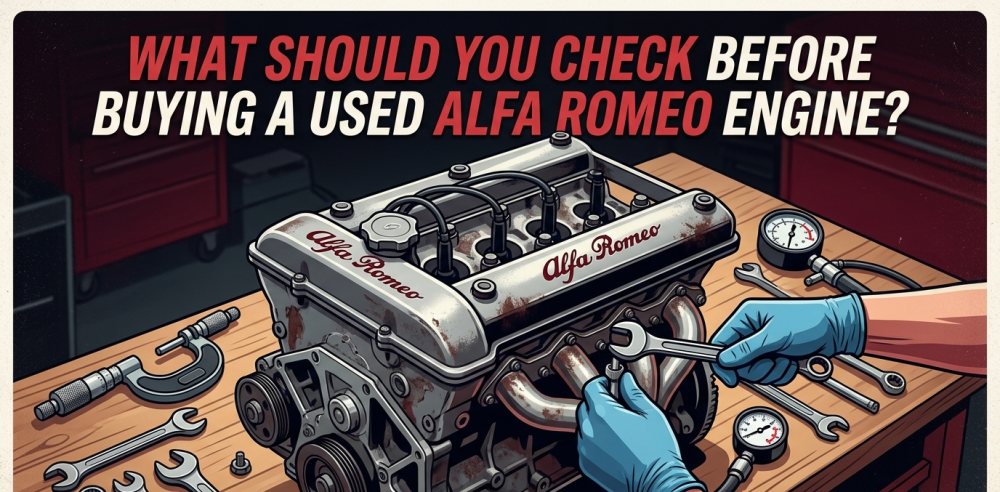
Buying a replacement engine is a major investment, especially when dealing with a performance-focused brand like Alfa Romeo. Whether you're restoring a vehicle or replacing a damaged motor, choosing the right Used Alfa Romeo Engine requires careful evaluation. Unlike buying a brand-new unit, used engines come with unknown histories, wear levels, and potential risks. That’s why a detailed inspection and informed decision-making process are essential.
In this comprehensive guide, you’ll learn everything you need to check before purchasing a Used Alfa Romeo Engine, helping you avoid costly mistakes and ensuring long-term reliability.
Understanding the Importance of Proper Inspection
Alfa Romeo engines are known for their performance and engineering precision. However, they are also sensitive to maintenance quality. A poorly maintained engine can lead to expensive repairs after installation.
A proper inspection helps you:
- Identify hidden mechanical problems
- Evaluate engine lifespan
- Avoid mismatched or incompatible units
- Negotiate a better price
According to industry guidance, checking engine condition, service history, and seller credibility significantly reduces buying risks.
1. Verify Engine Compatibility
Before anything else, confirm that the engine matches your vehicle.
What to check:
- Engine code and model number
- Compatibility with transmission
- ECU (Engine Control Unit) matching
- Mounting points and wiring harness
Even small mismatches can lead to installation issues or poor performance. Experts recommend matching the engine code precisely with your vehicle’s VIN to ensure proper fitment.
2. Check Engine Mileage
Mileage is one of the most important indicators of engine health.

Key considerations:
- Lower mileage engines generally have less wear
- High mileage engines may still be good if well-maintained
- Compare mileage with service history
A low-mileage engine without maintenance records can be riskier than a higher mileage engine with full documentation.
3. Inspect Service and Maintenance History
A well-documented history is a strong sign of a reliable engine.
Look for:
- Regular oil changes
- Timing chain or belt replacement
- Cooling system maintenance
- Repair records
Engines with consistent servicing tend to perform better and last longer. Lack of records is a major red flag.
4. Physical Inspection of the Engine
If possible, always inspect the engine physically or request detailed images/videos.
Check for:
- Oil leaks or residue
- Rust or corrosion
- Cracks or damaged components
- Signs of overheating
Visible defects can indicate deeper internal issues. Even minor leaks can lead to significant repairs later.
5. Look for Signs of Wear and Tear
Every used engine will have some wear, but excessive damage is a concern.
Important areas:
- Cylinder head condition
- Pistons and valves (if visible)
- Belts and hoses
- Engine mounts
Wear-related issues can affect performance and reliability, so evaluate them carefully.
6. Check Oil Condition
Oil quality reveals a lot about engine health.
What to observe:
- Clean oil indicates proper maintenance
- Sludge or thick deposits suggest neglect
- Metallic particles may indicate internal damage
Regular oil changes are crucial for Alfa Romeo engines due to their performance design.
7. Test Compression (If Possible)
Compression testing provides insight into internal engine condition.
Why it matters:
- Confirms cylinder health
- Detects worn piston rings or valves
- Indicates overall engine efficiency
Low or uneven compression is a warning sign of serious internal issues.
8. Check for Overheating Issues
Overheating can cause long-term engine damage.
Signs to watch:
- Burn marks or discoloration
- Damaged gaskets
- Coolant leaks
Some Alfa Romeo engines are sensitive to cooling system failures, making this check essential.
9. Verify Seller Reputation
Always buy from a trusted and reputable seller.
Evaluate:
- Customer reviews
- Certifications
- Return policy
- Warranty options
Reliable sellers provide transparency, detailed documentation, and testing proof. Avoid deals that seem too good to be true.
10. Check Warranty and Return Policy
Never skip this step when buying a Used Alfa Romeo Engine.
Important factors:
- Warranty duration
- Coverage details
- Return conditions
A warranty protects your investment and gives peace of mind in case of unexpected issues.
11. Evaluate Total Cost (Not Just Purchase Price)
The engine price is only part of the total cost.
Include:
- Installation charges
- Shipping fees
- Replacement parts
- Labor costs
Sometimes a cheaper engine becomes expensive due to hidden costs.
12. Importance of Trusted Suppliers
Choosing a reliable supplier is just as important as inspecting the engine.
Reputable providers like Moon Auto Parts offer quality-tested engines, proper documentation, and customer support. This ensures you receive a dependable product that meets your expectations.
When purchasing from trusted suppliers such as Moon Auto Parts, you gain added confidence through verified inventory and warranty-backed options.
Conclusion
Buying a Used Alfa Romeo Engine requires careful planning, inspection, and research. From verifying compatibility and checking mileage to evaluating seller credibility and warranty options—especially when choosing a trusted supplier like Moon Auto Parts every step plays a crucial role in ensuring a successful purchase. A well-chosen engine can restore your vehicle’s performance and extend its lifespan, while a poor decision can lead to costly repairs and frustration. That’s why many buyers rely on Moon Auto Parts for quality-tested engines and dependable service. Always prioritize quality, documentation, and reliability over price alone.
Read Also: Maintenance Tips That Keep Your Subaru Engine Running Smoothly





