

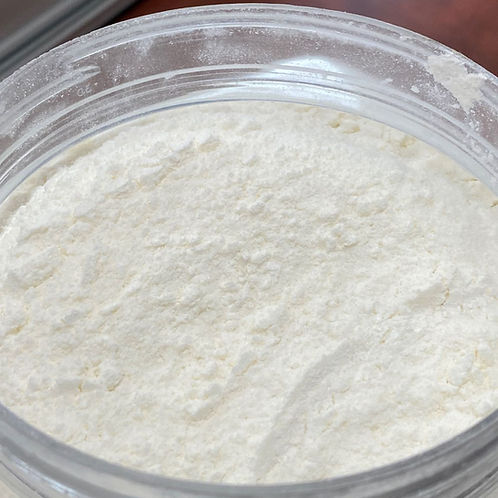
THCA isolate powder has become a key ingredient in modern hemp product formulation. Brands now want clean inputs, predictable dosing, and flexible manufacturing options. That is where bulk THCA isolate powder enters the picture. When you work with a refined cannabinoid ingredient like this, you gain a versatile base for tinctures, vape cartridges, edibles, and topical products. But how does it actually work in real formulations?
Why Do Product Developers Choose THCA Isolate Powder?
If you develop cannabinoid products, consistency matters. THCA isolate offers purity, stability, and easy dosing control. The powder form also simplifies storage and large scale manufacturing.

Many product teams source bulk THCA isolate powder because it integrates smoothly into different production systems. It allows you to standardize cannabinoid content across product batches while maintaining the clean label many hemp brands now prefer.
How Does THCA Behave in Product Formulation?
Before adding THCA to any product line, you need to understand its chemistry. THCA is the acidic precursor of THC and typically appears as a crystalline isolate. It does not dissolve well in water. However, it blends efficiently with oils, fats, and certain solvents.
This solubility profile shapes the way you design cannabinoid products. Most manufacturers rely on lipid carriers such as MCT oil, hemp seed oil, or terpene blends to distribute the compound evenly throughout the formulation.
How Do Tincture Makers Work With THCA Isolate?
Tinctures remain one of the easiest delivery systems for cannabinoid ingredients. When you formulate tinctures, the process usually starts with dissolving the isolate into a carrier oil under controlled heat and agitation.
This step ensures the cannabinoid disperses evenly. The result is a stable liquid product with consistent dosing. For brands that buy THCA isolate powder, tinctures offer a fast entry point into the cannabinoid market because the manufacturing process remains relatively simple.

What Makes Vape Cartridge Formulation Different?
Vape cartridges require a very different approach. Here, the formulation focuses on viscosity and vaporization stability. THCA isolate must blend smoothly with terpene profiles or specialized vape diluents.
Temperature control becomes critical. During the mixing stage, manufacturers apply gentle heat to achieve proper dissolution. The goal is a homogenous oil that flows correctly inside cartridges while maintaining cannabinoid integrity during vaporization.
Can THCA Isolate Work Inside Edibles?
Yes, but edible formulation demands extra planning. Since THCA isolate does not dissolve in water, edible manufacturers usually begin with an infused oil or butter base.
That infused base then enters recipes such as gummies, chocolates, or baked items. Controlled heating and thorough mixing ensure even distribution across each serving. For brands sourcing THCA isolate powder bulk, this method supports consistent cannabinoid content across large edible production runs.
What Happens When You Use THCA in Topicals?
Topical products such as creams, balms, and lotions rely on emulsions. In these systems, THCA isolate usually blends into the oil phase before the final cream structure forms.
Once incorporated, the cannabinoid spreads evenly throughout the formulation. Product developers often combine it with botanical oils, waxes, and skin friendly emulsifiers to create stable textures that maintain cannabinoid distribution over time.
Why Solubility Matters During Manufacturing
One common question arises during product development. How do you keep cannabinoids evenly distributed?
The answer lies in controlled mixing and compatible carriers. Because THCA isolate prefers oil based environments, manufacturers design formulations that keep the cannabinoid suspended within lipid systems. Proper agitation, temperature control, and homogenization help maintain uniform cannabinoid dispersion.
How Do Manufacturers Maintain Batch Consistency?
Scaling a cannabinoid product from test batch to full production can challenge new brands. Precise measurement and standardized mixing procedures make the difference.
Manufacturing partners often use calibrated blending equipment, analytical testing, and batch documentation. These steps ensure each production run mirrors the previous one, which helps brands maintain predictable cannabinoid content across retail product lines.
Where Does Bulk Supply Fit Into Product Development?
When you operate in the cannabinoid sector, supply stability matters as much as formulation skill. Reliable bulk inputs support continuous production and simplify regulatory documentation.
That is why many CBD brands and manufacturers source cannabinoid ingredients directly from suppliers who provide raw materials, formulation guidance, and private label manufacturing. This approach reduces development time and keeps product pipelines moving smoothly.
How Do Brands Choose the Right Formulation Partner?
You might have the product concept ready. But the real challenge lies in turning that idea into a stable, scalable formula.
Experienced cannabinoid manufacturers help refine carrier selection, mixing temperatures, terpene profiles, and compliance testing. Their role goes far beyond supplying ingredients. They help convert a simple isolate powder into finished consumer ready products across multiple delivery formats.
Final Thoughts
THCA isolate powder plays a powerful role in modern cannabinoid product development. From tinctures and vape cartridges to edibles and topicals, its crystalline purity and flexible formulation profile allow brands to design consistent cannabinoid products. When paired with the right carriers, mixing methods, and manufacturing expertise, THCA isolate becomes a dependable building block for scalable hemp product lines.





