
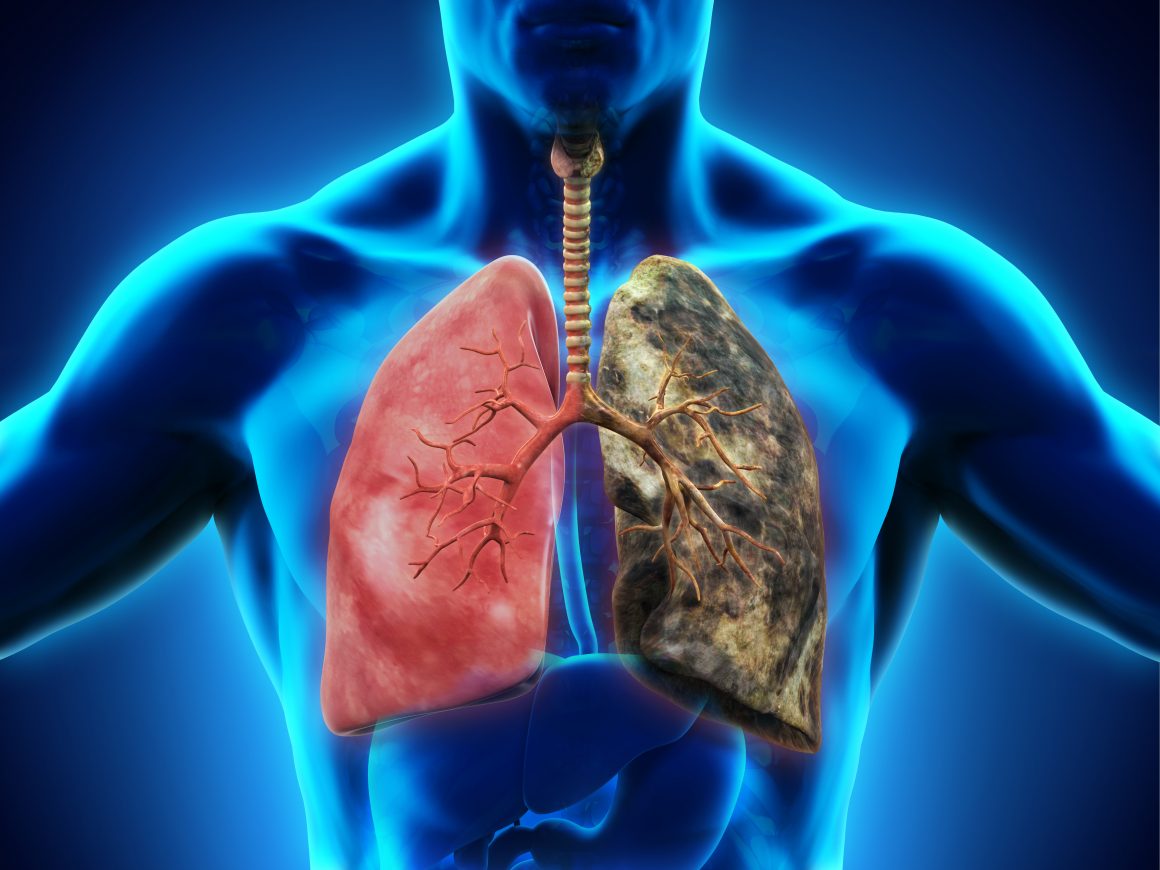
Small cell lung cancer (SCLC) is one of the most aggressive types of lung cancer. If you or a loved one has just received this diagnosis, it can feel overwhelming. But here’s the thing: the timing of treatment can make a significant difference. Understanding the options and acting quickly can truly save lives.
Why Early Detection Matters
Unlike some other cancers, small cell lung cancer grows rapidly and can spread quickly. That is why early treatment is crucial. Detecting it in the initial stages increases the chances of successful outcomes. Doctors often emphasize lung cancer treatment by stage because each stage determines what treatments are most effective.
For example:
- Limited-stage SCLC is often confined to one lung and nearby lymph nodes. Early intervention here might include chemotherapy combined with radiation.
- Extensive-stage SCLC has spread beyond the lung, making treatment more complex. Even so, starting therapy promptly can slow progression and improve quality of life.
Small Lung Cancer Treatment Options
When people hear “small lung cancer,” it doesn’t mean the cancer itself is small in threat. It refers to the type of cells. Treatment typically involves a combination of methods tailored to the stage and health of the patient.
Here are some common approaches:
- Chemotherapy – The mainstay for SCLC, often paired with other treatments.
- Radiation therapy – Targets the tumor directly and can reduce symptoms.
- Immunotherapy – Helps the body’s immune system fight cancer cells, increasingly used for extensive-stage disease.
- Surgery – Less common but possible in very early stages.
Starting treatment as soon as possible ensures that the cancer has less time to spread, making therapies more effective.
Treatment for Lung Cancer Stage 4
Stage 4 lung cancer, whether small cell or not, indicates that the cancer has spread to other parts of the body. While this stage cannot usually be cured, timely treatment can significantly improve outcomes.

Early intervention can:
- Extend life expectancy
- Control symptoms like shortness of breath or pain
- Improve daily functioning and overall quality of life
Stage 4 treatment often combines chemotherapy, targeted therapy, and supportive care. The key takeaway is not to wait. Even at advanced stages, medical advances have made it possible to live longer with better quality of life.
The Role of Regular Check-Ups
One of the best ways to catch small cell lung cancer early is through regular health check-ups, especially for people at higher risk, such as smokers or those with a family history of lung cancer. Discussing symptoms like persistent cough, unexplained weight loss, or fatigue with a doctor can lead to earlier detection and better treatment outcomes.
Taking Action Matters
It’s easy to feel paralyzed by a diagnosis. However, the earlier you start treatment, the better your chances of managing small cell lung cancer effectively.
Here are a few actionable steps:
- Schedule a consultation with an oncologist immediately after diagnosis.
- Understand your treatment options and ask questions about risks and benefits.
- Seek support from family, friends, or lung cancer support groups.
- Keep track of your symptoms and treatment progress to share with your healthcare team.
Every day counts, and being proactive can change the trajectory of this aggressive disease.
Final Thoughts:
Small cell lung cancer requires a swift and focused approach. Knowing the stage of your cancer guides lung cancer treatment by stage, helps you understand small lung cancer treatment options, and allows for prompt intervention even in treatment for lung cancer stage 4. Acting quickly doesn’t just increase survival chances—it also improves quality of life during treatment.





