

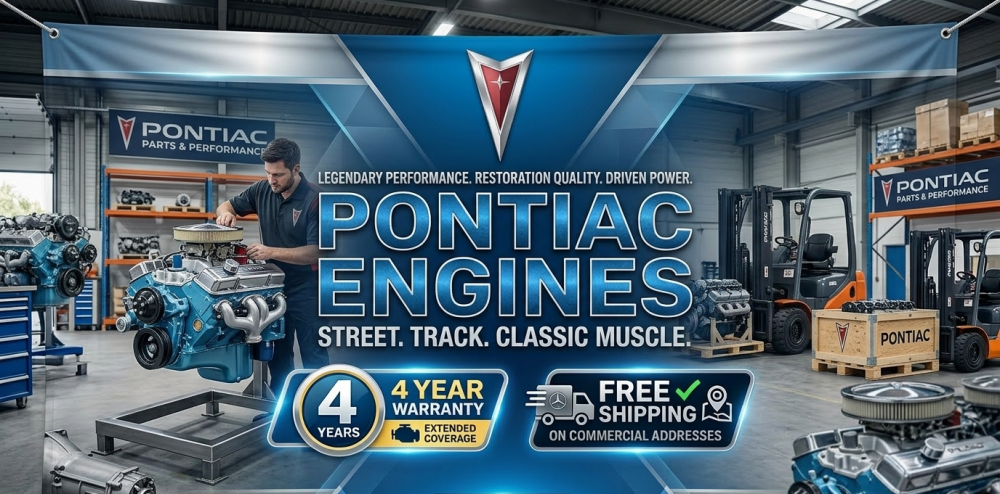
Pontiac has long been a symbol of American automotive performance. From the roaring muscle cars of the 1960s and 1970s to the modern sedans and performance vehicles, the Pontiac engine has been at the heart of the brand’s reputation for power, durability, and driving excitement. But what makes a Pontiac engine deliver such classic performance, and why do enthusiasts continue to admire these vehicles decades after they first rolled off the production line? In this article, we will explore the engineering, technology, and legacy of Pontiac engines, as well as tips for maintaining, replacing, or upgrading your engine.
The Legacy of Pontiac Engines
Pontiac engines are synonymous with classic American muscle and performance. Throughout the brand’s history, engines like the Pontiac V8 and the iconic 455 cubic inch have become legends for their power output and responsiveness. These engines were engineered not just for speed but also for durability, making them popular among car enthusiasts and collectors.
Pontiac’s engineering philosophy emphasized balance: combining raw horsepower with smooth performance, ensuring drivers enjoyed both acceleration and a controlled, stable ride. Whether you’re driving a Pontiac GTO, Firebird, or Grand Prix, the Pontiac engine was designed to provide a thrilling driving experience while standing up to the rigors of daily use.

Even today, the enduring popularity of Pontiac engines speaks to their engineering excellence. Many of these engines are still in use in restored vehicles, and a thriving market exists for used engines for sale, allowing enthusiasts to keep classic Pontiacs running at peak performance.
Key Features of Pontiac Engine Design
Several features contribute to the classic power and performance of a Pontiac engine:
-
V8 Powerhouses: Many Pontiac engines, particularly the 400, 455, and other V8 models, were designed for high horsepower and torque. This allowed muscle cars to achieve remarkable acceleration and highway performance.
-
Robust Block Construction: Pontiac engines often feature cast iron blocks and durable components built to handle high-stress performance driving. The strength of these engines contributes significantly to their long-term reliability.
-
High-Flow Intake and Exhaust Systems: Pontiac engineers optimized airflow to increase engine efficiency. Improved intake manifolds and exhaust headers allowed for better fuel combustion and more power output.

-
Camshaft and Valve Timing Innovations: Pontiac engines used various camshaft designs to balance low-end torque with high-end power. This contributed to their reputation as responsive and versatile engines.
-
Classic Pontiac Engine Sound: Few things are as iconic as the sound of a roaring Pontiac V8. The exhaust note, combined with engine tuning, delivers a signature audio experience that enthusiasts associate with performance and nostalgia.
Performance That Stands the Test of Time
The performance of a Pontiac engine goes beyond raw power. These engines were designed to provide smooth acceleration, responsiveness, and reliability, even under high-stress conditions. Muscle cars equipped with Pontiac engines were known for their ability to launch from a standstill, handle highway cruising effortlessly, and maintain performance over long periods with proper care.
The Pontiac engine achieves this balance through precise engineering of internal components, careful calibration of fuel delivery systems, and durable construction. Many Pontiac engines can continue to perform well beyond 150,000 miles if properly maintained—a testament to their longevity and quality.
For modern owners who wish to maintain or restore these classic vehicles, Moon Auto Parts provides high-quality replacement components that help extend the life of Pontiac engines while preserving their original performance characteristics.
Maintenance Tips for Pontiac Engines
Maintaining a Pontiac engine is key to ensuring it continues to deliver classic performance. Here are some tips for long-term care:
-
Regular Oil Changes: Using the correct oil grade and changing it regularly reduces friction and protects engine components.
-
Cooling System Checks: Keeping radiators, hoses, and coolant levels in check prevents overheating and preserves engine life.
-
Fuel System Maintenance: Clean fuel injectors, carburetors, or fuel pumps ensure smooth combustion and optimal power output.
-
Transmission Care: The Pontiac transmission works closely with the engine, so proper maintenance is crucial for smooth performance. Regular fluid changes and inspections are recommended.
-
Use Quality Parts: Using genuine or high-quality aftermarket parts from suppliers like Moon Auto Parts ensures compatibility and reliability.
Options for Replacement and Upgrades
For classic car enthusiasts, engine replacement or upgrades are sometimes necessary. Fortunately, there is a robust market for used engines for sale, allowing owners to replace worn engines with high-quality units at a fraction of the cost of a brand-new engine.
When searching for a replacement engine, it’s important to:
-
Verify engine condition and mileage.
-
Ensure the engine matches your vehicle’s specifications.
-
Source from reputable suppliers who provide warranties or guarantees.
Similarly, a used transmission can complement a replacement engine, ensuring the vehicle performs as intended. Reliable sources like Moon Auto Parts specialize in providing high-quality, inspected, and tested Pontiac engines and transmissions to support long-term vehicle performance.
The Pontiac Engine Experience
Driving a vehicle equipped with a Pontiac engine is more than just getting from point A to point B—it’s an experience. The power delivery, exhaust note, and responsiveness combine to provide a visceral connection between the driver and the road. Classic Pontiacs offer a nostalgic driving experience that modern vehicles rarely replicate.
Whether you’re taking a Sunday drive in a restored GTO or racing down the highway in a Firebird, the Pontiac engine delivers performance, reliability, and that unmistakable muscle car feel. Enthusiasts often remark on the combination of smooth handling and raw power that only a well-maintained Pontiac engine can provide.
Common Pontiac Engine Models and Their Features
Some of the most iconic Pontiac engines include:
-
Pontiac 400 V8: Known for its strong low-end torque and high-revving power, commonly used in the GTO and Firebird.
-
Pontiac 455 V8: A legendary muscle car engine, delivering massive horsepower and acceleration.
-
Pontiac 350 V8: Popular in mid-sized vehicles, balancing performance and efficiency.
-
Pontiac Inline Six-Cylinder: Found in older vehicles, providing reliability and smooth operation.
Each of these engines reflects the brand’s commitment to power, durability, and driving enjoyment. Replacement engines are often available through used engines for sale, enabling enthusiasts to maintain or restore their classic cars.
Upgrading and Restoring Pontiac Engines
Restoring or upgrading a Pontiac engine can enhance performance, reliability, and even fuel efficiency. Popular modifications include:
-
High-performance camshafts for increased power.
-
Upgraded carburetors or fuel injection systems for better fuel delivery.
-
Exhaust system enhancements for improved airflow and sound.
-
Cooling system upgrades to prevent overheating during spirited driving.
Many enthusiasts rely on trusted suppliers like Moon Auto Parts to source authentic or high-quality components for these upgrades. By using reliable parts, owners can ensure that their Pontiac engines maintain their original character while benefiting from modern enhancements.
Longevity and Reliability
One of the reasons Pontiac engines are so revered is their durability. When properly maintained, these engines can last for decades, maintaining performance and reliability even under high-stress driving conditions. Routine maintenance, quality parts, and careful driving are essential to achieving maximum engine life. For those looking to extend the life of their Pontiac vehicles, investing in high-quality replacement parts or refurbished used engines for sale is a cost-effective solution. Combining a reliable engine with a well-maintained Pontiac transmission ensures that the vehicle performs smoothly and maintains its classic performance characteristics.
The Cultural Impact of Pontiac Engines
Pontiac engines are more than just mechanical components—they are symbols of American automotive culture. From the roar of a Firebird on the street to the drag strip dominance of the GTO, these engines helped define an era of performance cars. Enthusiasts worldwide still celebrate Pontiac engines at car shows, restoration projects, and racing events. Owning a Pontiac engine today means owning a piece of automotive history. With the support of suppliers like Moon Auto Parts, enthusiasts can preserve these engines, keeping classic vehicles operational and enjoyable for future generations.
Conclusion
The Pontiac engine delivers classic power and performance through a combination of robust engineering, innovative design, and durable components. Whether it’s a V8 muscle car or an inline-six classic, these engines provide the performance, reliability, and driving excitement that have made Pontiac a legendary name in automotive history. For owners seeking to maintain or restore their vehicles, options like used engines for sale, used transmissions, and high-quality replacement parts from suppliers such as Moon Auto Parts provide affordable and reliable solutions. Proper maintenance, careful driving, and attention to quality parts ensure that a Pontiac engine continues to deliver the classic power and performance enthusiasts expect. From the roar of a V8 to the smooth cruise of a classic sedan, Pontiac engines remain a testament to American engineering excellence and continue to inspire drivers who value performance, history, and style.
FAQ: Pontiac Engine Questions
Q1: What engine does a Pontiac G8 have?
A: The Pontiac G8, produced between 2008 and 2009, came with two engine options. The base model featured a 3.6-liter V6 engine producing around 256 horsepower, while the G8 GT and GXP models were equipped with a 6.0-liter LS2 V8 engine, delivering 361 horsepower for high-performance driving.
Q2: What engine is in a Pontiac Vibe?
A: The Pontiac Vibe, a compact hatchback produced from 2002 to 2010, shared its engine lineup with the Toyota Matrix. Most Vibe models had a 1.8-liter 4-cylinder engine producing around 126 horsepower. Later models offered a 2.4-liter 4-cylinder engine with approximately 158 horsepower for enhanced performance.
Q3: Did Pontiac have a big block engine?
A: Yes, Pontiac produced several big block engines, most notably the 421, 428, and 455 cubic inch V8s. These engines were popular in muscle cars like the Pontiac GTO and Firebird, providing high horsepower and torque for powerful acceleration and performance.
Q4: Did Pontiac make a 350 engine?
A: Pontiac did not produce a 350 cubic inch V8 engine. The 350 engine is commonly associated with Chevrolet. Pontiac instead focused on their own engine families, such as the 326, 389, 400, 421, 428, and 455 V8s.
Q5: Did Pontiac make a 428 engine?
A: Yes, Pontiac produced a 428 cubic inch V8 engine in the 1960s. The 428 was a high-performance big block engine used in muscle cars like the Pontiac GTO and Firebird, offering impressive horsepower and torque for its time.
Read Also: How long do Mercedes Benz engines last?





